
Blue Springs offers a springtime adventure where vibrant wildlife and dynamic waterways come alive. This guide focuses on local regulations and respectful wildlife interaction, helping hikers prepare wisely and engage thoughtfully with the season's intense natural rhythms.
Stick to Marked Trails
Preserve the fragile spring habitats by remaining on designated paths to prevent soil erosion and protect nesting wildlife.
Maintain Distance from Wildlife
Observe animals quietly from afar using binoculars; avoid feeding or attempting close encounters to keep both you and wildlife safe.
Start Early for Cooler Conditions
Begin hikes at dawn to enjoy quieter trails, lower temperatures, and better chances of wildlife sightings before midday heat sets in.
Carry Adequate Water
Spring's variable temperatures and increased activity mean hydration is key; bring at least 2 liters to stay energized on the 5-mile trail.
Navigating Spring Regulations and Wildlife Etiquette at Blue Springs

Private Orlando Manatee Encounter
Minimum of 5 people • 3 Hours
Discover the beauty of Florida's waterways with a private kayak tour to spot graceful manatees in their natural habitat. This personalized adventure offers a peaceful escape filled with wildlife encounters and stunning scenery.
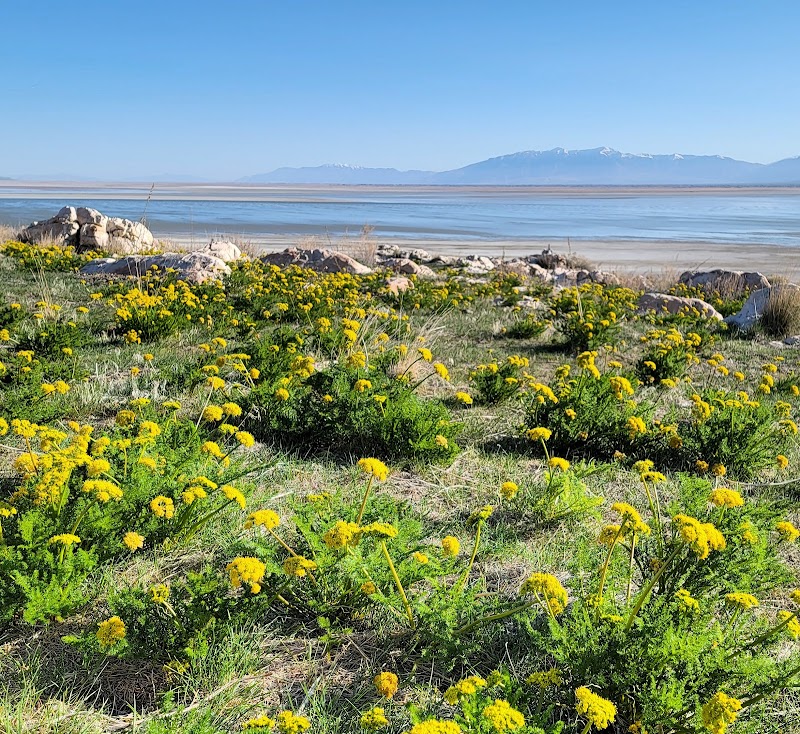
Spring at Blue Springs transforms the landscape with renewed vigor—streams swell as snowmelt pushes forward, and wildlife emerge fiercely themselves, reclaiming space with bursts of energy. The hike here stretches roughly 5 miles with a moderate elevation gain of 600 feet, traversing mixed terrain from packed dirt paths to rocky creeksides. Forested trails hum with rustling leaves, while sweeping views from the upper ridges offer a rewarding payoff to steady footsteps.
Understanding local regulations is more than formalities—it's your map to safe coexistence. Blue Springs operates under specific springtime rules designed to protect its resurgence of life: staying on designated trails prevents erosion and habitat disruption, and camping restrictions limit human footprint during critical nesting periods. The local authorities require permits for backcountry camping, emphasizing minimal impact. Adherence means you contribute to the health of this spring-fed ecosystem, where water clarity depends on balanced stewardship.
Wildlife in spring shows varied behaviors, from protective nesting to early foraging. Encountering bold river otters or witnessing the flash of kingfishers demands respectful distance; these creatures have little patience for interruptions. Bird calls dominate the morning air, and the elusive black bear silently scans the underbrush. Practicing a no-feed policy and using binoculars to observe from afar keeps wild interactions safe for all parties involved.
Preparation is straightforward but vital. Expect muddy patches where winter’s thaw still lingers. Waterproof boots with good traction help steady footing. Carry at least two liters of water; spring temperatures average from the high 40s to low 70s Fahrenheit, but exertion in the sun’s reach dries you quickly. Morning starts optimize cooler, quieter conditions. Keep your pack light yet include layered clothing—the day warms swiftly, yet shaded pockets stay crisp.
As you hike, notice how the stream challenges your pace with sudden bursts, daring you forward, while the wind carries the scent of damp pine. The journey is a measured exchange with nature—a march alongside forces fiercely alive, demanding respect and attentiveness. Keep noise low; Blue Springs is a sanctuary where the wild commands presence, not disruption.
Following these guidelines shapes an adventure grounded in awareness, where every footstep honors the ecosystem’s fragile spring awakening. This balance between thrill and responsibility enriches your experience and preserves the wilderness for seasons ahead.
Nearby Trips
All Adventures
Boat Charters
Water Activities
Adventures near Syracuse
Discover the unique and memorable adventures that make Syracuse special.
Frequently Asked Questions
Are permits required to hike or camp at Blue Springs in spring?
Day hiking does not require permits, but backcountry camping during spring is regulated to protect sensitive nesting areas. Permits must be obtained from the local forest service office in advance.
What wildlife am I most likely to see during a spring visit?
Spring brings active river otters, kingfishers darting near water, black bears emerging from dens, and a variety of songbirds nesting. Early morning is best for spotting these native residents.
How should I behave if I encounter a black bear on the trail?
Stay calm, avoid sudden movements, speak firmly, and back away slowly. Do not run or approach. Carry bear spray as advised by local authorities for additional safety.
Is fishing allowed at Blue Springs?
Fishing regulations vary by season and location within the area. Spring permits are restricted to protect spawning fish populations. Consult local wildlife agencies for up-to-date rules.
Are dogs allowed on the trails during spring?
Dogs are allowed but must remain on a leash to avoid disturbing wildlife and prevent encounters with sensitive nesting areas or other hikers.
What are the best spots for panoramic views along the trail?
The upper ridges before the fifth mile offer sweeping views of the spring-fed streams below and the surrounding forest. These spots are perfect for a brief rest and photo breaks.
Recommended Gear
Waterproof Hiking Boots
Keep your feet dry and offer traction on muddy or rocky sections where thawed ground turns slippery.
Layered Clothing
Temperature swings require a moisture-wicking base, insulating mid-layer, and a windproof shell for variable spring conditions.
Binoculars
Ideal for observing wildlife without intrusion, especially the active birds and river otters around Blue Springs.
Hydration Pack or Bottles
Sufficient water supply supports sustained energy during moderately paced hikes in warming temperatures.
Local Insights
Hidden Gems
- "A small hidden waterfall midway through the trail, best viewed after recent rain."
- "A quiet bend in the creek where wildflowers bloom early and wildlife footprints are often visible."
Wildlife
- "North American river otters"
- "Belted kingfishers"
- "Black bears"
- "Western tanagers"
History
"Blue Springs served as a seasonal water source and gathering place for indigenous peoples, whose history extends through the region’s earliest settlements. Artefacts have been found near the springs, highlighting its cultural importance."