Mastering the Art of Timing: When and How to Catch Hungry Trout in Colorado’s Scenic Rivers
Colorado’s scenic rivers pulse with seasonal rhythms that shape trout feeding patterns. Learn when and how to read these shifts, so you can time your cast right and experience the thrill of connecting with hungry trout amid breathtaking mountain landscapes.
Choose Your Fishing Slot Wisely
Early mornings and evenings yield the best trout activity, especially during warmer months when the river cools and feeding ramps up.
Hydrate Constantly
Mountain streams can disguise your thirst; pack at least two liters of water per outing and plan refill points along your hike.
Wear Footwear Designed for Wading
The river bed is uneven and slippery—use high-traction wading boots or shoes with stable ankle support to reduce the risk of falls.
Respect Weather Fluctuations
Mountain weather changes abruptly—carry layered clothing and be ready for sudden rain or cold winds that affect trout activity and your comfort.
Mastering the Art of Timing: When and How to Catch Hungry Trout in Colorado’s Scenic Rivers

Half Day Guided Float Trip
4 Hours • All ages • 1-2 Anglers per Boat
Looking for a relaxing yet exciting fishing adventure? Discover the beauty of Colorado's scenic rivers with a private float trip offered by Hookers in Glenwood Springs. Perfect for all skill levels, this half-day journey combines stunning views with top-notch angling opportunities.
Colorado’s rivers don’t just flow—they challenge and invite anglers to time their strikes carefully, reading currents that shift with the seasons and weather. The hungry trout lurking in these waters are fiercely attuned to timing and conditions, and the angler who understands the rhythm of the river gains a powerful advantage.
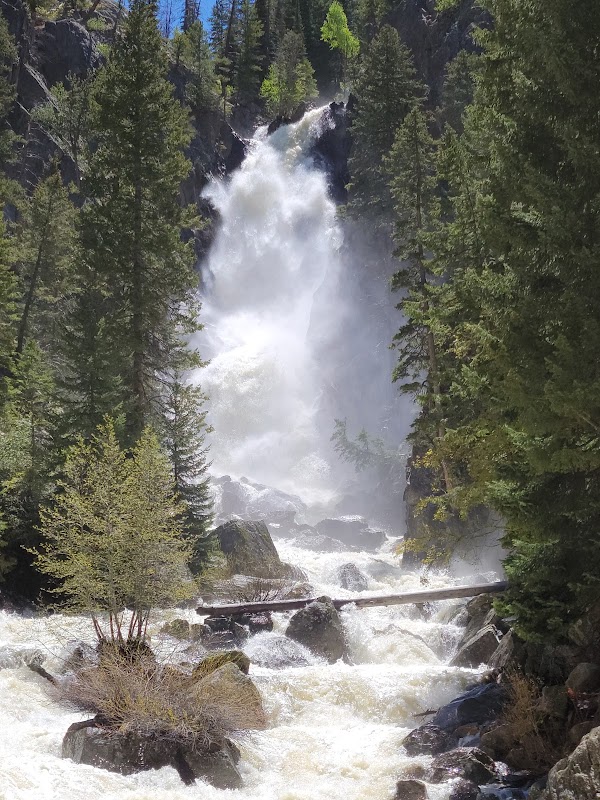
Spring marks the river’s impatient pulse. Snowmelt swells the waters, rushing with a force that sweeps through valleys and carves through forested banks. This high, cold flow pushes trout to seek calmer pockets behind boulders and submerged logs—prime spots where they hold strong, conserving energy but ready to snap up drifting insects. Venture out mid-April to early June for emerging nymph hatches and rising feeders just as the river tempers its flow. Expect terrain that’s rugged with sharp elevation changes; many prime fishing spots require hikes of 2 to 5 miles with elevation gains from 400 to 900 feet along uneven rocky trails.
Summer transforms the rivers into warm hunting grounds. Water levels drop, sunshine presses down on open pools, and trout become selective, often hiding under shaded overhangs or submerged root systems. Early mornings and late evenings become your prime windows, with trout feeding actively as the river cools. Prepare for trail sections that range from gentle forested pathways to exposed rocky creek beds, often surrounded by pine and aspen groves. Hydration is critical here; pack at least two liters of water and choose breathable waterproof footwear that can handle wet crossings.
Fall signals a slowdown in the river’s pulse but sharpens trout appetite. Cooler waters ignite pre-winter feeding frenzies, especially during October’s crisp mornings when insects become more active. Clouds often dust the sky, winds pick up, and stable weather after cold fronts can spark dramatic rises. Trails during this season present firmer footing under a carpet of fallen leaves, though slick rocks near water remain a hazard. Expect hikes between 3 to 6 miles with moderate elevation gains that reward you with panoramas of fiery aspens reflecting in the river’s surface.
Winter demands respect. Many river sections become thin threads frozen at the edges, and trout retreat to deep pools below ice-covered riffles. Access is tougher, often requiring snowshoes or skis along trails with elevation variation reaching 1,000 feet or more. Anglers face harsh conditions but can find solitude and clear fishing opportunities during warmer mid-day thaws.
Across all seasons, timing your approach to the trout’s hunger is crucial. Look for feeding windows in the early morning and late afternoon when insects are active, and trout grow bold. Weather changes—light rain, cooling temperatures—can turn the river’s attitude on a dime, urging trout to move and prompting quick action. Learning to read these cues is as important as selecting flies or bait.
Packing right ensures the adventure runs smooth: layered clothing built for temperature swings, a sturdy wading staff, and footwear designed to grip slick rocks. Hydration, snacks, and a map or GPS device keep you grounded as you navigate forest trails that wind alongside rivers daring you deeper.
This isn’t a game of swift conquest; it’s a measured engagement with a force fiercely itself—a dialogue between angler and river where patience, timing, and respect for conditions coalesce into the satisfying strike of a hungry trout.
Nearby Trips
All Adventures
Boat Charters
Water Activities
Adventures near Steamboat Springs
Discover the unique and memorable adventures that make Steamboat Springs special.
Frequently Asked Questions
When is the absolute best time to fish for trout in Colorado rivers?
The optimal times are early mornings and late afternoons during spring and fall when trout actively feed near the surface and currents calm down. Mid-April through June and September to mid-November generally yield the most consistent bites.
Which types of flies work best in Colorado’s mountain rivers?
During spring, nymphs like mayflies and caddisflies dominate, while summer favors dry flies imitating terrestrials such as grasshoppers and ants. Fall calls for streamers and egg patterns as trout bulk up before winter.
Are there any hidden spots near Steamboat Springs that offer quieter trout fishing?
Yes, small tributaries like the Yampa River tributaries upstream of Stagecoach Reservoir provide less traffic and excellent feeding zones with deep pools and shaded overhangs.
What wildlife should anglers watch for during their trips?
Expect to share trails with mule deer, elk, and seasonal bird species such as American dippers near streambanks. Be alert for bears in spring and early summer—proper food storage is critical.
How should I prepare for sudden weather changes in Colorado’s high country?
Layer your clothing and carry rain gear at all times. Check weather forecasts in the morning, and be ready to adjust your plans if thunderstorms approach.
Is catch and release recommended in these rivers?
Yes. Many sections are managed for conservation, and practicing catch and release supports healthy trout populations and sustainable fishing.
Recommended Gear
Wading Boots with Felt or Rubber Soles
Provides grip on slippery rocks and stability against strong currents.
Layered Moisture-Wicking Clothing
Keeps you dry and warm as temperatures shift during early season river hikes.
Lightweight Waterproof Jacket
Protects against sudden mountain rain and wind without overheating.
Hydration Pack or Water Bottles
Essential for staying hydrated during long hikes under sun and heat.
Local Insights
Hidden Gems
- "Taylor Creek Falls viewpoint — a serene spot just off the river with views of cascading water and trout feeding pools"
- "The banks of Soda Creek at dusk offer glimpses of elusive brook trout often overlooked by crowds"
Wildlife
- "Rocky Mountain elk frequent forest edges near fishing areas"
- "American dippers skillfully hunt underwater insects along swift runs"
History
"Colorado’s rivers have sustained native Ute tribes for centuries as fishing, water sources, and cultural landmarks before becoming popular trout angling destinations post-19th century."