Evening Fly Fishing in Colorado: Gear Choices for Dusk on the Water
Fly fishing in Colorado's evening light offers a unique thrill—cool air, active trout, and rivers that keep you alert. Learn how the right gear prepares you for this changing light and demanding terrain, making your dusk fishing both comfortable and successful.
Dress in Layers
Colorado evenings cool quickly—start with moisture-wicking base layers and add windproof jackets to stay comfortable.
Bring a Headlamp with Red Light
Use a red-light headlamp to preserve your night vision and avoid startling trout after sunset.
Choose the Right Footwear
Wear sturdy wading boots with good traction for slippery, rocky riverbanks common in the Rockies.
Stay Hydrated
Altitude dries you out faster than you realize; carry water with electrolytes to maintain performance and focus.
Evening Fly Fishing in Colorado: Gear Choices for Dusk on the Water

Evening Fly Fishing
Starting at $210 | 2 Hours on the water | Evening getaway!
Experience the magic of Colorado’s rivers at dusk with guided evening fly fishing. Learn key techniques while immersed in the vibrant bug hatch and tranquil waters.
As the sun begins to bow behind the Rocky Mountains, Colorado's rivers come alive with a quiet energy—rivers dare you to match their pulse, their currents pushing forward with a steady insistence. Choosing the right fly fishing gear for these Colorado evenings means preparing for a dance with water and wind that demands both practicality and respect.
Colorado’s high-elevation streams often sit between 7,000 and 10,000 feet, so the air cools quickly once the sun dips. Nights can bring a sudden chill that shows no mercy, so layering is essential. A well-fitting, breathable wading jacket paired with moisture-wicking base layers will keep you dry and warm without restricting movement.
Your fly rod should match the local waters' character—typically a 4- to 6-weight rod provides the right balance for varied trout species in the region’s clear mountain streams. Lightweight graphite rods offer sensitivity and strength, perfect for casting against the evening breeze or around pockets where trout tend to gather as the day fades.
Don’t underestimate the power of your boots and waders. Expect uneven, rocky terrain alongside the river’s edge, often slick with algae or moss. Felt or rubber-soled wading boots with solid ankle support keep you steady. Neoprene-wader bottoms provide warmth and flexibility in colder months, while breathable fabric options work well for warmer summer evenings.
Flies should reflect the insect hatches typical to Colorado’s evenings: mayflies, caddisflies, and midges rule the twilight buffet. A small fly box filled with a variety of dry flies, nymphs, and emergers gives you the versatility to adapt as the trout decide what’s on the menu.
Hydration is easy to overlook but critical—Colorado’s altitude is a silent challenge, pressing on your lungs and dehydration levels. Carry a hydration pack with electrolyte-balanced water. Pack a headlamp with red light options; its glow respects the river's nocturnal rhythm and enhances your stealth in the low light.
Plan your arrival time to catch the post-sunset hours. The hour just after dusk often brings peak feeding activity. Keep your steps quiet, move slowly, and let the river’s flow dictate your rhythm. This is an engagement with a force fiercely itself—not a battle to win but a conversation to earn. The reward? The subtle tug of a trout testing your offering, a moment where preparation meets nature’s invitation.
With the right gear and mindset, Colorado’s evening fly fishing carries a clarity and calm that’s as practical as it is exhilarating—the perfect balance of adventure grounded in preparation.
Nearby Trips
All Adventures
Boat Charters
Water Activities
Adventures near Steamboat Springs
Discover the unique and memorable adventures that make Steamboat Springs special.
Frequently Asked Questions
What time is best for evening fly fishing in Colorado?
The hour after sunset is prime time—trout feed actively in low light but visibility is still enough for precise casting.
How do altitude and weather affect fishing gear choices?
Higher elevations bring rapid temperature drops—gear must prioritize layering for warmth and flexibility for shifting winds.
What flies should I bring for dusk fishing here?
Focus on dry flies matching local mayfly, caddisfly, and midge hatches; keep nymphs and emergers handy for subsurface feeding.
Are guided fly fishing trips available in Steamboat Springs?
Yes, local outfitters offer guided trips tailored for evening fishing on nearby rivers with focused instruction and equipment rental.
How do I protect the environment while fishing in Colorado?
Follow catch-and-release practices, pack out all trash, avoid disturbing spawning beds, and use barbless hooks to minimize impact.
Can I fish from the shore, or is wading necessary?
Both methods work, but wading often expands access to prime feeding zones, especially when currents or riverbanks are complex.
Recommended Gear
4-6 Weight Graphite Fly Rod
Flexible and sensitive for Colorado trout streams, this rod fits well with a variety of fly sizes and casting conditions.
Breathable Waders with Neoprene Booties
Protects against cold, wet riverbanks while allowing comfortable movement over rocks and through current.
Moisture-Wicking Base Layers
Keeps sweat off your skin and traps warmth during declining evening temperatures.
Waterproof Wading Boots with Felt Soles
Delivers traction on slippery river stones and stability in uneven terrain common along Colorado’s streams.
Local Insights
Hidden Gems
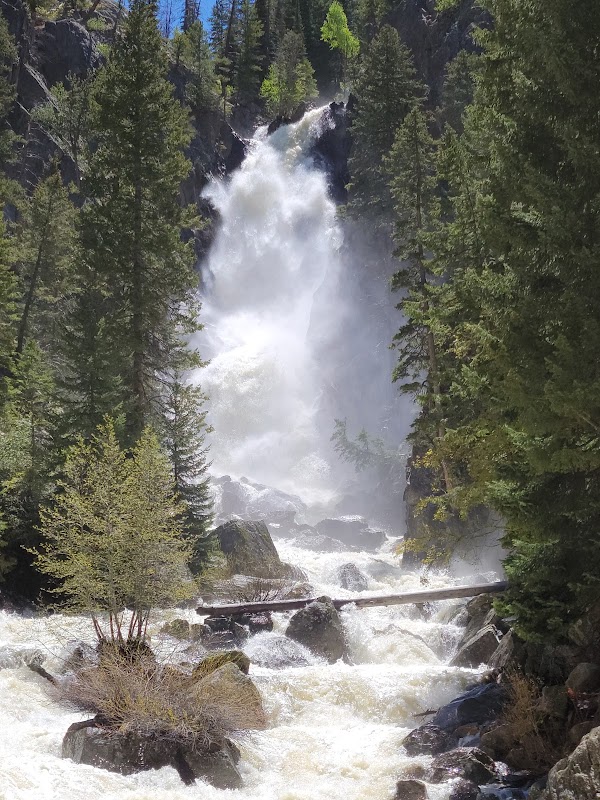
- "Fish Creek Falls viewpoint for late afternoon fishing"
- "Yampa River bends with secluded access points"
Wildlife
- "River otters play near water edges at dusk"
- "Bald eagles often patrol overhead during fall migrations"
History
"Native Ute tribes once fished these waters, using seasonal migrations to harvest trout sustainably. The region also witnessed early fur trappers who relied on rivers for routes and supplies."