Cumberland Island offers a rare chance to see wild horses in a dynamic coastal landscape. This guide covers essential gear and practical tips to help you explore comfortably, from the sandy shores to forested trails, ensuring your horse-viewing adventure is as rewarding as it is safe.
Wear sturdy, slip-resistant footwear
Trails vary from sandy beaches to marshy, root-filled forest floors. Footwear with grip and ankle support prevents slipping and injury.
Bring at least 2 liters of water
Limited potable water is available on the island. Carry enough water to stay hydrated throughout your 7+ mile hike.
Pack insect repellent
Mosquitoes and biting flies are common, especially near wetlands. Apply repellents to avoid discomfort and protect against bites.
Start early for better wildlife viewing
Wild horses are more active in cooler morning hours, and softer light improves photography opportunities.
Essential Gear Tips for Comfortable Wild Horse Viewing on Cumberland Island

Sunset Cruise
For all ages! • 3 Hours • Up to 4 People
Join Fernandina Fishing Charters on a 3-hour sunset cruise through scenic rivers, with wild horse sightings on Cumberland Island and sunset fishing at Tiger Island. Perfect for relaxing and connecting with nature in Florida’s coastal wilderness.
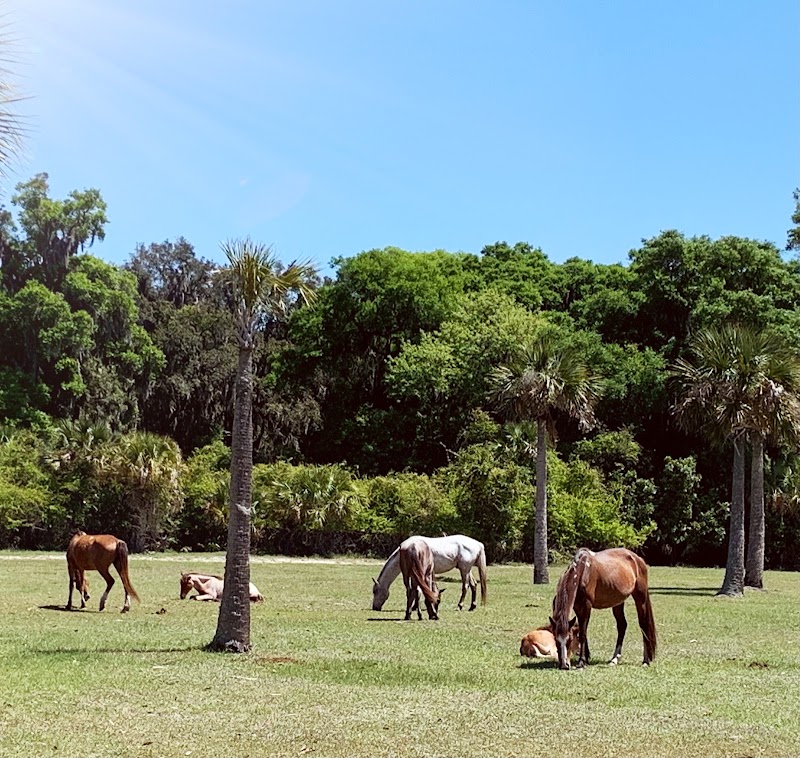
Cumberland Island invites you to experience a wild landscape where untamed horses roam free, embodying a spirit fiercely itself amid the island’s shifting sands and coastal forests. Tracking these iconic equines demands gear that balances comfort with practicality, as terrain varies from sandy beaches to shaded maritime forests and wooden boardwalks. Your journey often starts at the Dungeness Ruins parking area, where paths stretch over 7 miles round trip with minimal elevation change but plenty of uneven footing. Expect the ground beneath your boots to shift—sometimes softly yielding underfoot, other times firm and knobby with tree roots daring you onward.
A sturdy pair of hiking shoes or boots with good grip will keep you steady, especially since portions of the route navigate through brackish marshes and salt-sprayed dunes, which can grow slick in the mornings. Light, moisture-wicking layers shield you from coastal humidity and sudden sun flare-ups, while a weather-resistant jacket stands ready against sea breezes that wield surprising chill. Hydration is essential; a minimum of two liters per person is recommended, as potable water points are scarce. A hydration pack allows hands-free access during moments when your eyes lock on distant wild horses pausing beneath live oaks or nibbling on coastal grasses.
Binoculars or a good camera zoom increase your chances of crisp close-ups without risking disturbing the herd, which remains a vulnerable presence within this National Seashore. Protect yourself from insect bites with effective repellents—it’s common to encounter mosquitoes and biting flies in shaded and wetland stretches, especially in spring and summer. Sun protection—hat, sunglasses, and sunscreen—helps as the sun stakes its claim on the skies above the island’s grassy dunes.
Timing your hike early in the day offers several advantages: cooler temperatures, softer light for photography, and a more active animal population. Midday tends to slow movement; horses often seek shelter during the hottest periods, so patience and quiet observation pay dividends. Always respect wildlife distance guidelines set by the park service. The horses live unconfined; your presence is temporary. Approach with care, and the island’s natural voices will carry you through a singular encounter, one where the rhythm of your footsteps matches the pulse of a wild place fiercely itself.
Nearby Trips
All Adventures
Boat Charters
Water Activities
Adventures near St. Marys
Discover the unique and memorable adventures that make St. Marys special.
Frequently Asked Questions
How close can I get to the wild horses?
Regulations suggest maintaining at least 50 feet from the horses to avoid stressing them and ensure both their safety and yours.
Are there any guided hikes for horse viewing?
Guided options exist through local outfitters, which can be beneficial for first-time visitors to learn about the island’s ecology and history.
Is it safe to swim or wade in the island's waters?
Swimming is possible in designated areas, but strong currents and sudden tidal changes require caution. Avoid marshy areas where water may harbor hazards.
Can I camp overnight near the wild horse viewing areas?
Backcountry camping is allowed in designated areas by permit. However, camping near horse habitats is minimal to prevent disturbance.
What wildlife besides horses might I see?
Look for white-tailed deer, nesting shorebirds, alligators in freshwater habitats, and abundant migratory birds seasonally.
Are there restrictions on photography?
Photography is encouraged but avoid flash and getting too close to maintain natural behaviors of the horses and other wildlife.
Recommended Gear
Hiking shoes with good traction
Protect your feet and ensure stability over sand, boardwalks, and tangled roots.
Hydration pack or water bottles
Allows convenient access to water during long hikes, critical to prevent dehydration.
Lightweight rain jacket
Stay dry during sudden showers typical of spring; also doubles as a windbreaker.
Binoculars or camera with zoom lens
For wildlife viewing at a distance without disturbing the horses.
Local Insights
Hidden Gems
- "The rarely frequented Papaw Pond Loop offers quiet views of marshlands and secret wild horse crossings."
- "Dungeness Ruins provide evocative history alongside the hike with photo-worthy stone foundations surrounded by old oaks."
Wildlife
- "Wild horses are the stars, but keep an eye out for elusive bobcats that prowl after dusk."
- "Waterfowl like great blue herons and wood storks often gather near tidal creeks."
History
"Human history is layered here—once the home of the Carnegie family’s opulent estate, many ruins mark past eras, linking nature and culture."