
Timing Your Southern Utah Trip for Peak Scenery and Conditions
Southern Utah offers some of the most striking desert landscapes in the country, but timing your trip right is essential to experience its best weather and views. From spring blooms to fall colors and winter quiet, learn when to plan your adventure for optimal conditions and how to prepare for the terrain’s challenges.
Start Early to Beat the Heat
Begin hikes before sunrise especially in late spring through early fall to avoid midday temperatures that can soar above 90°F.
Hydrate Consistently
Carry at least 2 liters of water per person for short hikes and more for longer or exposed routes to prevent dehydration.
Wear Layered Clothing
Temperatures swing from cool mornings to hot afternoons; lightweight, breathable layers help adjust quickly to changing conditions.
Check Weather and Trail Conditions
Summer afternoon storms and winter ice can make some trails risky; confirm conditions with park rangers before heading out.
Timing Your Southern Utah Trip for Peak Scenery and Conditions

10 Day Southern Utah Custom Tour
Join Desert Solitude’s 10-day customized tour in Moab for a deep dive into Southern Utah’s most iconic landscapes. Discover hidden gems, iconic formations, and vibrant local culture with personalized guidance tailored to your adventure style.
Southern Utah commands attention with its vast red rock formations, rugged canyons, and sweeping vistas that challenge and invite. To experience this fierce landscape at its best, timing your trip is critical. Spring and fall stand out as the most practical windows—temperatures hover in the 60s to 80s Fahrenheit, offering comfortable hiking conditions without the oppressive heat that scorches the summer months. Winter brings quieter trails and snow-dusted cliffs, but some routes can become slick or inaccessible.
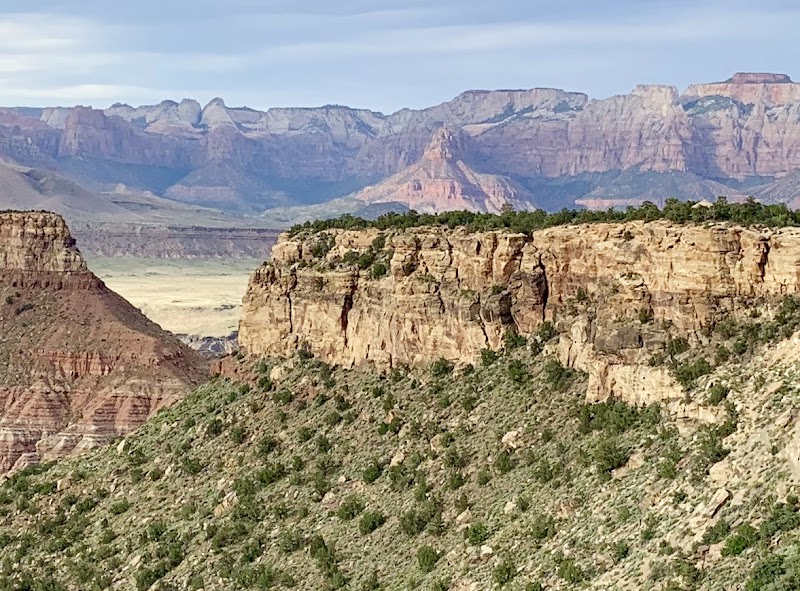
The landscape reacts vividly to the seasons. Spring wakes the desert with bursts of wildflowers along the forested edges and canyon bottoms, where cottonwoods and junipers flex their green against the red stone. By fall, the cooler air sharpens the reds and oranges into deeper hues, with golden aspen groves lighting up higher elevations. Summer heats the land into a simmer, demanding early starts and careful hydration as the sun rules the sky relentlessly.
For example, a hike like the 3.5-mile trek to Observation Point in Zion National Park features a 2,000-foot elevation gain that rewards with panoramic views but tests stamina under a desert sun. Starting early morning in spring or fall reduces exposure to heat and maximizes your chance to catch soft light cascading over the cliffs. The trail cuts through shaded sections where tall pines and douglas-fir trees gather, giving brief respite before the final steep climbs.
Preparation is equally key. Durable hiking shoes with solid traction confront rocky, sometimes loose terrain that demands attention at every step. Layering is smart—mornings may bite cold at higher elevations, but midday sun can sneak up fast. Hydration cannot be overstated: at least 2 liters per person for shorter hikes, more on longer or exposed routes. Weather in Southern Utah can flip unexpectedly; afternoon thunderstorms in summer roll in with thunder that seems to shake the canyon walls.
Ultimately, the land shows you its character by how you meet its conditions. Respect the heat, listen to the shifts in light, and allow the silence to push a steady pace forward. Southern Utah in its optimal season stands not just as a backdrop for adventure, but as an active participant, daring you to engage fully with its fierce and vivid presence.
Nearby Trips
All Adventures
Boat Charters
Water Activities
Adventures near St. George
Discover the unique and memorable adventures that make St. George special.
Frequently Asked Questions
When is the best time to visit Southern Utah for hiking?
Spring (March-May) and fall (September-November) offer the most moderate temperatures and avoid the extreme summer heat and winter snow, making them the best seasons for hiking comfort and safety.
Are there any safety concerns specific to Southern Utah trails?
Yes. Summer heat poses dehydration and heatstroke risks, so start early and carry ample water. Afternoon storms can cause sudden flash floods in canyons. Winter brings icy and slippery conditions, so hiking gear must be selected carefully.
What wildlife might I encounter on hikes in Southern Utah?
Expect to see desert bighorn sheep, mule deer, lizards, and a variety of birds like ravens and peregrine falcons. Wildlife is most active during cooler parts of the day in spring and fall.
Are guided hikes necessary to explore Southern Utah’s wilderness?
Guided hikes aren’t mandatory but can enhance safety and interpretation, especially in complex areas like narrows or remote backcountry where route finding and park regulations are key.
What are some lesser-known viewpoints to visit?
Try the Hidden Canyon trail at Zion or the unique checkerboard mesa view near Grand Staircase. These spots offer dramatic views but see fewer visitors than the main overlooks.
Can I camp near popular hiking trails in Southern Utah?
Yes, there are designated campgrounds and backcountry camping spots. Permits may be required in national parks. Plan ahead and check regulations to minimize environmental impact.
Recommended Gear
Hiking Boots
Sturdy boots with ankle support handle rocky, uneven terrain and provide grip on loose surfaces.
Hydration System or Water Bottles
Efficient hydration gear is necessary to meet the demands of dry air and heat.
Layered Clothing
Breathable base layers and a warm outer layer help manage fluctuating temperatures.
Sun Protection (hat, sunglasses, sunscreen)
Shield yourself from strong UV exposure prevalent at lower elevations and open desert.
Local Insights
Hidden Gems
- "Observation Point East Rim—less crowded and provides sweeping views without the crowds of Angels Landing."
- "Parunuweap Canyon—remote and offers unique slot canyon experiences for prepared adventurers."
Wildlife
- "Desert bighorn sheep navigate the cliffs with ease, a reminder of the area’s untamed spirit."
- "The elusive ringtail cat prowls night hours, rarely spotted but an important local predator."
History
"Southern Utah’s trails and canyons have been travel corridors for indigenous peoples for centuries, with petroglyph sites offering glimpses into ancient cultures."