
Seasons in Flight: Timing Your Utah Red Rock Aerial Experience
Utah’s red rock country offers a unique adventure from above, where timing your flight seasonally transforms the experience. Discover when to fly for optimal weather, stunning light, and safer, smoother journeys over these iconic sandstone monuments.
Book Afternoon Flights in Spring and Summer
Morning chill and unstable thermals can create bumpy rides early in the day, so schedule flights in the afternoon when air conditions are more stable and temperatures warmer.
Stay Hydrated Throughout Your Adventure
The dry desert air quickly dehydrates you, especially in summer months. Carry extra water before and after your flight to maintain energy and focus.
Wear Layers Year-Round
Temperatures can shift drastically between airfield waiting areas and in-flight conditions. Layered clothing keeps you comfortable through chilly mornings or sudden winds in flight.
Check Wind Conditions Before Booking
Strong gusts or sudden canyon winds impact flight safety and comfort; consult local aviation weather reports to avoid cancellations and rough rides.
Seasons in Flight: Timing Your Utah Red Rock Aerial Experience

Hot Air Balloon Tour
Age 21+ to book • 2.5 Hour Experience • Up to 6 People • Private Tour
Ascend into the skies over Washington, Utah, on a private hot air balloon adventure that offers breathtaking views and a peaceful escape. Discover why this aerial experience is a must-try for outdoor enthusiasts and adventure seekers alike.
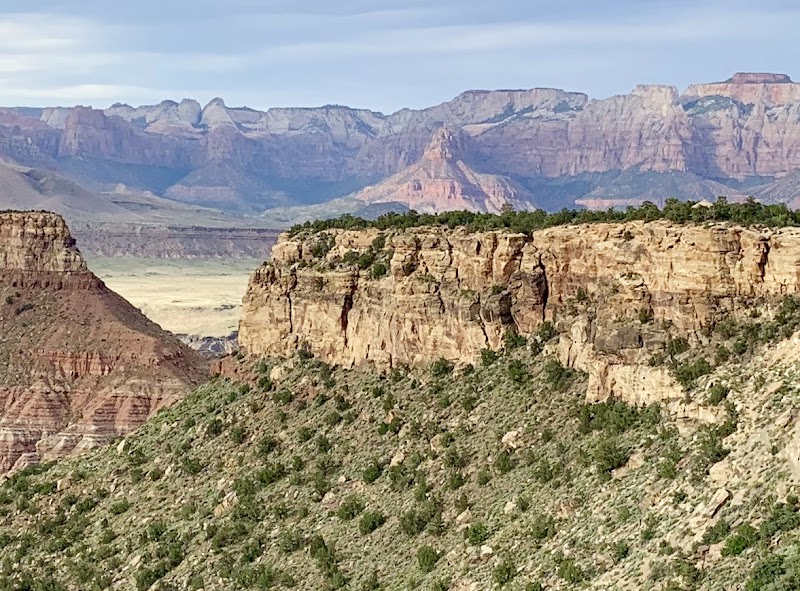
Utah’s red rock landscapes—etched by wind and water—call to adventurers seeking a top-down spectacle like no other. Flying over the rust-hued pinnacles, arched canyons, and mesas offers a perspective that ground hikes can't match. The best seasonal window to take to the skies depends not just on weather but on how the landscape wakes and rests with the months, shaping your flight comfort and visuals.
Spring (March to May) invites mild temperatures and wildflower accents peeking through ochre crevices. Thermal currents begin to stir as the sun grows stronger, offering smoother lift conditions around midday. However, spring mornings might still carry a chill, and occasional showers dare pilots to stay grounded early on. Booking flights in the afternoons maximizes warmth and calm air.
Summer (June to August) is a high-adrenaline season. Vast sunbaked expanses radiate heat, pushing thermals to their peak by midday, which can jostle small aircraft and balloon rides. Early morning or late afternoon flights are best to dodge oppressive heat and turbulent air—plus the golden light enhances shadows, casting the red rock formations with sharp definition. Keep hydration as your priority; dry air demands extra water both on the ground and airborne.
Fall (September to November) presents arguably the best flight conditions. Crisp mornings settle into warming afternoons with steady, predictable air currents that favor smooth soaring. The red rocks deepen their hue under the cool air's embrace, and the backdrop of changing cottonwoods and junipers offers striking seasonal contrast. It’s the sweet spot for photo seekers aiming for vibrant but gentle lighting.
Winter (December to February) is a quieter season in the skies. Cold air stabilizes the atmosphere, reducing thermals that pilots rely on, but clear days allow breathtaking visibility of frost-dusted spires and silent canyons. Flights tend to be shorter and require appropriate layering against mountain chills. Snow on the desert floor sharpens the landscape’s bold shapes, offering dramatic views if conditions are safe.
Planning your aerial journey also involves practical considerations: footwear for rugged launch zones, timely bookings to avoid peak tourist crunches, and weather checks that respect the canyon winds which rule with unpredictability. The rock formations below remain fiercely themselves—unchanged by our fleeting presence but responsive to the sun, wind, and seasons.
Whether flying by helicopter, balloon, or small plane, integrate seasonal insights with attention to your comfort and safety. The Red Rock Country will reward your respect with an unforgettable adventure, a flight that’s not just sightseeing but a true encounter with a landscape alive and shifting beneath you.
Nearby Trips
All Adventures
Boat Charters
Water Activities
Adventures near St. George
Discover the unique and memorable adventures that make St. George special.
Frequently Asked Questions
When is the best time of day to book a flight over Utah's red rocks?
Early afternoons in spring and fall, or early mornings and late afternoons in summer, provide the most stable flying conditions and the best natural light for viewing and photography.
Are there any lesser-known views visible only from the air?
Yes, aerial flights reveal hidden slickrock ledges, narrow canyon crevices, and subtle erosion patterns unseen from the ground, adding depth to the iconic sandstone formations.
What wildlife might I see from the air on these flights?
Birds of prey like red-tailed hawks and golden eagles take flight across the canyon rims. Occasionally, mule deer or desert bighorn sheep may be spotted on narrow ledges or sparse vegetation patches.
How does the weather affect flight operations in this region?
Strong afternoon thermals and sudden gusts of wind, especially near canyon walls, can cause turbulence or cancellations. Pilots rigorously monitor local wind and thermal forecasts to ensure safety.
Is there any cultural significance to the areas flown over?
Many red rock formations hold importance in Native American history, serving as landmarks and sacred sites. Pilots often share insights during flights, highlighting geological and cultural stories.
What environmental precautions are in place for flights over these natural areas?
Operators follow strict guidelines to minimize noise pollution and avoid disturbance of wildlife during breeding seasons. Flights keep altitude buffers to respect fragile ecosystems below.
Recommended Gear
Sturdy Hiking Shoes
Provides secure footing on rocky takeoff and landing areas, protecting against uneven terrain.
Layered Clothing
Adjust to fluctuating desert temps and windy flight conditions with comfortable layering.
Sunglasses
Protect your eyes from glare reflecting off rock and aircraft windows, improving visibility.
Water Bottle
Essential for maintaining hydration in dry, hot environments, especially before and after flights.
Local Insights
Hidden Gems
- "Kolob Canyons overlook—less crowded with dramatic cliffs"
- "Ivins Bench—quiet spot for desert flora beneath the flight paths"
Wildlife
- "Golden eagles ride thermals above canyons"
- "Desert bighorn sheep navigate cliff edges"
History
"The region was once inhabited by the Ancestral Puebloans, with petroglyphs and ancient habitation sites scattered across the area, connecting the landscape to centuries of human presence."