Navigating Seasonal Shifts in East Zion’s Backcountry Driving
East Zion’s backcountry roads offer an adventurous driving experience shaped profoundly by the seasons. This guide helps you read the landscape’s seasonal signals, preparing you to safely explore its rugged terrain and ever-changing beauty.
Check Vehicle Clearance and Tires
East Zion’s roads can be rough with varied terrain and steep inclines. Ensure your vehicle has sufficient ground clearance and tires rated for off-road to handle sudden drops or loose gravel.
Start Early to Avoid Heat and Dust
Driving in summer requires early departures to beat high temperatures and minimize exposure to dust storms that can reduce visibility.
Carry Extra Water and Food
Water sources dry up quickly in summer. Carry more hydration and snacks than usual to maintain energy and hydration on long stretches without services.
Monitor Weather and Respect Road Closures
Spring can bring sudden rainfall that makes dirt roads slick or impassable. Stay updated on weather and park alerts to avoid getting stranded.
Navigating Seasonal Shifts in East Zion’s Backcountry Driving

Zion Pines Guided UTV Tour
2 Hours • Off-Road Driving • Terrain: Mild/Rugged
Discover the rugged beauty of East Zion on a guided UTV tour that offers breathtaking views and thrilling off-road fun. Perfect for adventure seekers of all levels, this eco-friendly excursion promises memorable moments amid Utah's stunning terrain.
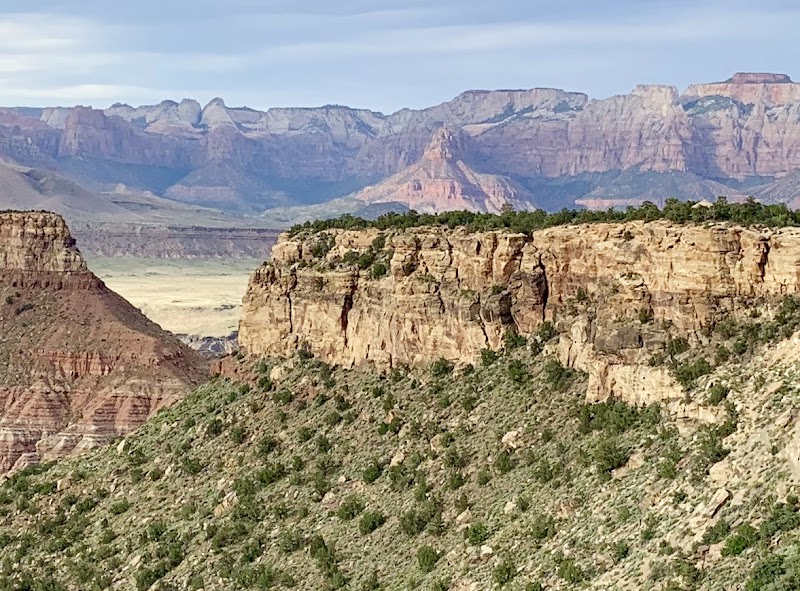
East Zion’s backcountry roads offer a rugged counterpoint to the popular main canyon routes within Zion National Park. This region invites drivers to engage directly with the landscape — narrow dirt tracks tracing through red rock mesas, sweeping views of Pine Creek Canyon, and quiet pockets where the environment asserts its raw independence. Seasonal conditions here shape every mile and curve, and understanding these rhythms is key to a safe and rewarding trip.
Spring thaws pulse through the soil, loosening gravel and stirring creek crossings that often dare you to cross with care. Expect mud patches and slick rock surfaces after late winter snowmelt. Temperatures hover comfortably between 50°F to 70°F in March through May, but sudden afternoon showers may arrive, demanding quick preparation and layered clothing.
Summer’s dry heat, pushing 90°F or higher, toughens the earth and shrinks water sources. Dust swirls along the trail, and the sun stakes its claim on every exposed ledge. Early mornings and late afternoons offer the most comfortable driving windows, avoiding the midday blaze. Carry extra water; dehydration creeps forward quietly here.
Come fall, the landscape shifts again, colors mellow to amber and ochre under cooler days and crisp nights, generally ranging 60°F to 80°F. The dry season reduces washout risks, making roads more reliable, but sudden windstorms can stir dust and make driving tricky. This period highlights viewpoints like the East Rim Overlook, where the light softens rock faces just enough to sharpen the vista’s drama.
Winter slows the pace with cold snaps and occasional snow, especially at higher elevations exceeding 6,000 feet. Roads are prone to icy patches; frost lingers in shaded sections, and creek crossings may swell with runoff from upstream snow. Vehicles with four-wheel drive are recommended, and timing your trip mid-day maximizes daylight and warmth.
Terrain varies between packed dirt, gravel stretches, and abrupt inclines that test your vehicle and nerve. Elevation gains up to 1,000 feet put your suspension to work, while narrow switchbacks demand cautious attention. Along the way, pine and juniper trees stand as patient watchers, their needles whispering tales of endurance. Rivers and intermittent streams push against their banks seasonally, reminding you that nature is always dynamic.
Prepare for the journey with sturdy footwear for walking stretches and inspecting tire conditions at each stop. Hydration is critical; bring more water than you think you'll need. Timing your drive around daylight hours and weather forecasts reduces surprises. Finally, respect seasonal closures and park guidance—these not only protect the fragile environment but ensure your adventure stays on course.
East Zion’s backcountry driving isn’t simply about reaching a destination; it’s an active dialogue with a landscape that moves and breathes with the seasons. Approach it with awareness, preparation, and a readiness to listen to the wind and rocks — and the road will reward with moments that aren’t just scenic, but vivid and alive.
Nearby Trips
All Adventures
Boat Charters
Water Activities
Adventures near St. George
Discover the unique and memorable adventures that make St. George special.
Frequently Asked Questions
Are backcountry roads in East Zion open year-round?
Most roads are accessible from spring through fall, but winter often brings temporary closures due to snow and ice, especially on higher elevation routes. Check current park updates before your trip.
What is the best time of day to drive the East Zion backcountry roads?
Early mornings and late afternoons are ideal to avoid the midday heat in summer and maximize daylight during shorter days in winter. This timing also lets you avoid peak dust conditions.
Is a four-wheel drive vehicle mandatory?
While not always required, a 4WD or high-clearance vehicle significantly improves safety and maneuverability on rough or wet sections, especially during spring thaw or after storms.
Are there marked hiking trails accessible from the backcountry roads?
Yes, select dirt road pull-offs lead to trailheads such as Pine Creek and Clear Creek trails. These opportunities combine driving adventure with short to moderate hikes enriched by changing vistas.
How can I reduce my environmental impact on these roads?
Stick to established roads, avoid driving on slick mud to prevent ruts, pack out all trash, and respect seasonal wildlife by observing from a distance, particularly during nesting seasons.
What wildlife might I see driving through East Zion’s backcountry?
Expect deer grazing near water sources, wild turkeys foraging along wooded edges, and if lucky, maybe a spotted fox or bald eagle soaring overhead.
Recommended Gear
4WD or High Clearance Vehicle
Necessary for handling uneven roads, rocky patches, and stream crossings safely year-round.
Hydration System or Water Bottles
High temperatures and dry air require carrying ample water to avoid dehydration.
Layered Clothing
Variable temperatures and sudden weather shifts call for adaptable clothing including windbreakers and moisture-wicking layers.
Portable Tire Inflator and Repair Kit
Rocky, gravel surfaces increase the risk of punctures; on-site repair tools can prevent long delays.
Local Insights
Hidden Gems
- "Pine Creek Overlook for panoramic canyon views seldom crowded"
- "Mysterious petroglyph sites tucked near Oak Grove"
- "Quiet juniper groves perfect for midday respite"
- "Clear Creek’s spring-fed pools offering reflections of sky and stone"
Wildlife
- "Mule deer"
- "Wild turkeys"
- "Coyotes"
- "Golden eagles"
- "Desert bighorn sheep in higher elevations"
History
"East Zion was historically traversed by Native American tribes and early settlers who used these routes for seasonal hunting and transport. Petroglyphs near several roadways hint at the region’s long human presence."