
Navigating the Meeting Points and Timing for Zion and Bryce Canyon Tours
Planning your Zion and Bryce Canyon tours starts with understanding the crucial meeting points and timing. This guide equips adventurers with practical details to ensure a seamless start to hikes amid some of Utah’s most arresting landscapes.
Arrive Early for Shuttle Access
Zion’s shuttle system operates on a strict schedule—arriving 20-30 minutes early helps avoid missing your ride and reduces wait times.
Hydrate Aggressively
Carry at least 2 liters of water per person, especially during summer hikes, as dry air and exertion pull moisture rapidly from your body.
Wear Rugged, Comfortable Footwear
Trails at both parks feature uneven surfaces, slick rocks, and elevation changes—sturdy shoes with good grip reduce injury risk.
Prepare for Sudden Weather
Afternoon thunderstorms in summer can disrupt tours; carrying lightweight rain gear or quick-dry layers helps maintain comfort and safety.
Navigating the Meeting Points and Timing for Zion and Bryce Canyon Tours
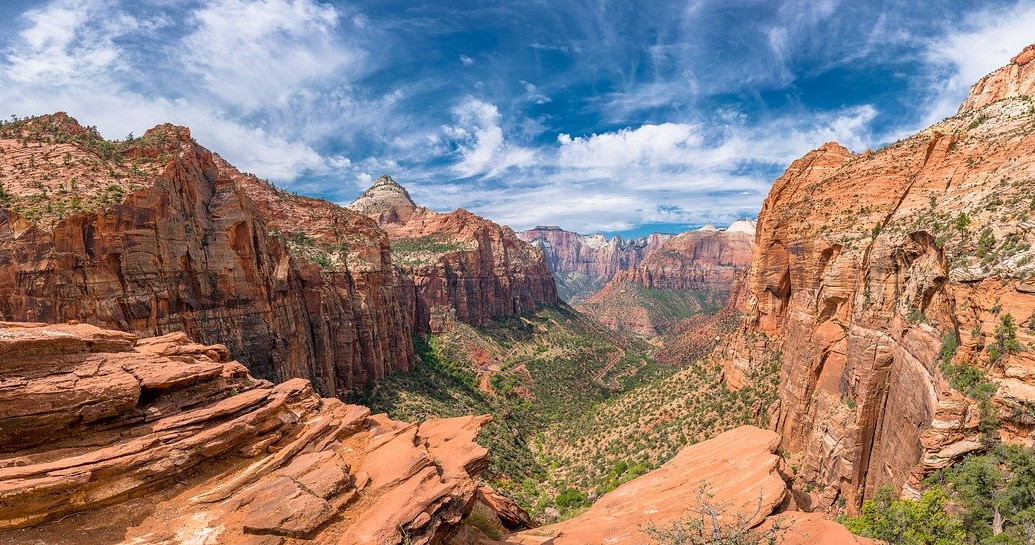
Zion Park and Bryce Canyon Tour
All Ages • 15 Hours • Public or Private Tours • Difficulty Level: Challenging
Discover the breathtaking beauty of Zion and Bryce Canyon on a private guided tour from Las Vegas. This exclusive experience offers stunning viewpoints, scenic hikes, and insider insights into Utah's most iconic parks. Perfect for adventure seekers wanting a personalized outdoor escape in these stunning landscapes.
Zion and Bryce Canyon stand as two of Utah’s most dramatic landscapes, challenging and rewarding hikers of all levels. Effective planning hinges on understanding the meeting points and timing logistics for tours in both parks—otherwise, the adventure’s thrill can be overshadowed by confusion or delays.
Meeting Points: Start Smart
Zion’s tours typically gather at the Zion Canyon Visitor Center, where shuttle access and parking converge conveniently. Arriving here early means securing a spot and taking in the air that carries the scent of ponderosa pines and sandstone warmed by the sun. At Bryce Canyon, most tours assemble near the Bryce Canyon Visitor Center or select lodges like The Lodge at Bryce Canyon, depending on the operator. These centralized spots offer clear signage and easy access to the main trailheads.
For those planning self-guided options, note that shuttle systems in Zion run from spring through late fall, limiting private vehicle access inside Zion Canyon. Bryce Canyon, smaller but no less fierce in beauty, allows more flexible parking but still sees early congestion during peak seasons.
Timing: Synchronizing Nature and Schedule
Morning departures provide the clearest advantage. At Zion, tours often begin between 7:00 and 8:00 AM to beat midday heat and crowds, especially in summer. You’ll find softer temperatures on trails such as Angels Landing—a rigorous 5-mile round trip with nearly 1,500 feet of elevation gain—and The Narrows, where the Virgin River dares you forward through sculpted canyon walls.
Bryce Canyon tours start around 8:00 AM to 9:00 AM, allowing hikers to catch the delicate morning light illuminating hoodoos that stand like ancient guards. The Navajo Loop Trail (about 1.3 miles, 600 feet elevation change) offers an accessible yet invigorating hike.
Afternoons bring shifting light, longer shadows, and cooler air, ideal for photography or less strenuous walks. However, lightning storms in late summer can aggressively reroute tours or halt them for safety.
Synchronizing Your Schedule:
- Arrive 15-30 minutes before scheduled departure to check in and prepare.
- Factor in shuttle wait times (up to 30 minutes in Zion’s peak seasons).
- Ensure your gear is ready—the terrain demands appropriate footwear and hydration.
Tips for Staying on Track
Both parks demand respect for the relentless sun, sudden weather shifts, and rugged terrain. Hydration isn’t optional—carry at least 2 liters for half-day hikes, more in summer heat. Good hiking shoes with grip will tether you to rocky surfaces shaped by wind and water’s persistent hands. Timing your tour early isn’t just practical—it enhances your connection with the landscape’s quieter moods and steady rhythms.
The Adventure Awaits
Meeting where the journey begins and moving with nature’s pulse lets you encounter Zion’s cliffs fiercely standing against the sky and Bryce’s hoodoos patiently sculpting the horizon. Mastering the logistics isn’t a hurdle—it’s part of the adventure itself. Prepare well, arrive early, and embrace the robust character of this southwestern wilderness.
Nearby Trips
All Adventures
Boat Charters
Water Activities
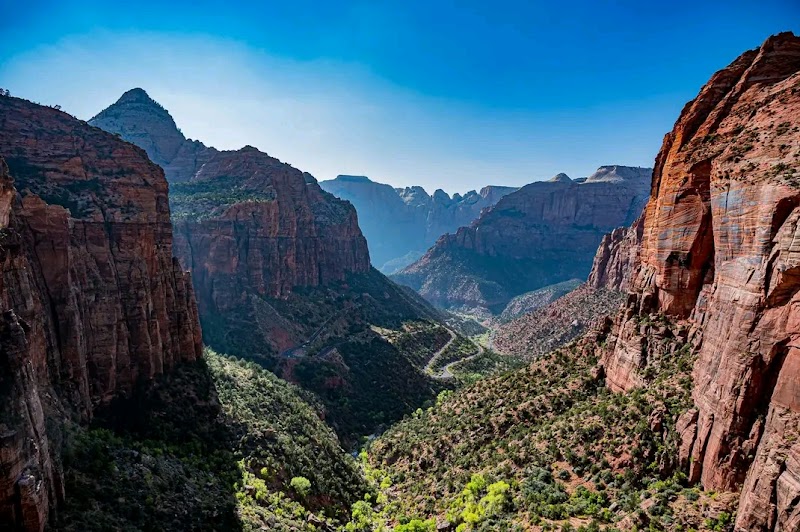
Adventures near Springdale
Discover the unique and memorable adventures that make Springdale special.
Frequently Asked Questions
Where exactly do tour groups meet in Zion and Bryce Canyon?
In Zion, the primary meeting point is the Zion Canyon Visitor Center, which serves as the hub for shuttles and guided tours. Bryce Canyon tours mostly assemble at the Bryce Canyon Visitor Center or the nearby Lodge at Bryce Canyon, depending on the tour operator.
How early should I arrive before my Zion or Bryce Canyon tour departs?
It's recommended to arrive at least 15 to 30 minutes before your scheduled time to allow for check-in and any shuttle boarding. Peak seasons or weekends have heavier crowds, so earlier arrival is especially beneficial.
Is private vehicle access allowed in Zion Canyon during tours?
No. From spring through late fall, Zion restricts private vehicles inside Zion Canyon. Visitors must use the park shuttle system. Bryce Canyon, however, allows private vehicles but parking spaces can fill up quickly.
What are the shortest and easiest hikes offered on these tours?
In Bryce Canyon, the Navajo Loop Trail (1.3 miles) is brief with moderate elevation change. Zion features Riverside Walk, an easier, flat trail leading to The Narrows—a longer water hike if you choose.
Are there any lesser-known viewpoints or areas worth visiting during tours?
At Zion, the Grotto and Weeping Rock areas offer quieter scenic stops not always crowded. At Bryce, Agua Canyon offers peaceful hiking beyond the main rim. Guides sometimes include these on tailored tours.
What wildlife should I expect to see on these tours?
In Zion, watch for mule deer, desert bighorn sheep, and peregrine falcons. Bryce Canyon hosts elk, prairie dogs, and Steller’s jays—all active especially in cooler hours.
Recommended Gear
Hydration Pack
Keeps water accessible and supports longer hikes under desert sun.
Hiking Boots
Provides the necessary traction and ankle support for rocky terrain and elevation.
Lightweight Rain Jacket
Important for unexpected storms, especially during summer afternoons.
Sun Protection
Includes sunscreen, hat, and sunglasses to manage intense sun exposure.
Local Insights
Hidden Gems
- "Observation Point Trail in Zion for expansive views with fewer crowds"
- "Agua Canyon in Bryce offering peaceful forested scenery beyond main amphitheater"
Wildlife
- "Desert bighorn sheep cautiously navigating cliffs in Zion"
- "Elk herds gathering early morning or dusk in Bryce’s meadows"
History
"Both parks hold deep significance for Native American tribes, including the Paiute, whose ancestral ties to these lands span centuries. Early Mormon settlers also influenced the trails and local culture."