Timing Your Zion National Park Hikes for Prime Weather and Wildlife Encounters
Zion National Park’s dramatic landscape demands timing your hikes to the rhythms of weather and wildlife activity. Whether you’re tackling Angels Landing or The Narrows, understanding seasonal shifts enhances comfort and the chance to cross paths with the park’s elusive animals.
Start Early to Beat the Heat and Crowds
Begin hikes like Angels Landing before 7 a.m. during spring and summer to avoid high temperatures and congested trails.
Hydrate Consistently
Carry at least 2 liters of water per person on day hikes, increasing during summer months when heat increases thirst.
Wear Traction-Ready Footwear
Select boots or shoes with solid grip to handle slickrock, loose gravel, and wet river sections, especially in The Narrows.
Use Park Shuttle to Access Popular Trails
During peak months, the shuttle service is mandatory for trailheads like Angels Landing and Emerald Pools, reducing parking hassle.
Timing Your Zion National Park Hikes for Prime Weather and Wildlife Encounters

Hiking: Zion National Park
Private Tour | All Ages | 7 Hour | Tailored to You
Discover Zion National Park’s majestic canyons and towering rock formations on a personalized guided hike with All Ways Adventure. Tailored to your skill level, these tours reveal the park’s geological marvels and hidden gems in a safe, engaging way.
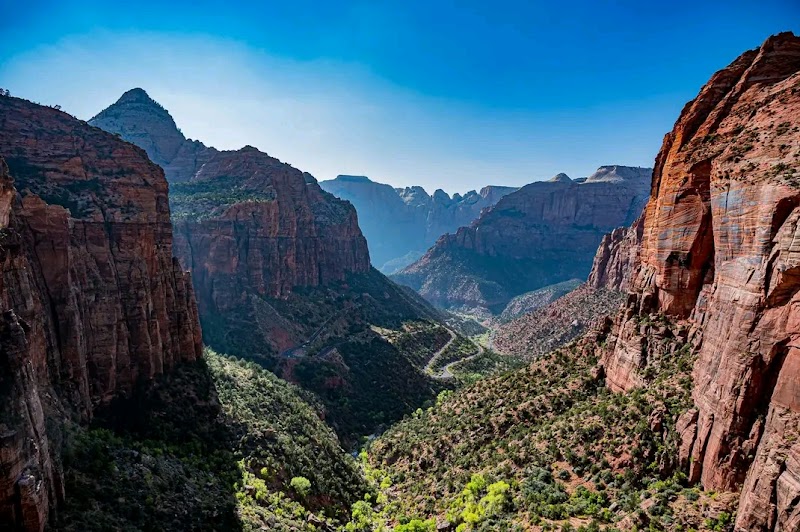
Zion National Park commands respect—its towering sandstone cliffs soak up the sun by mid-morning, while canyon shadows stretch long and cool as daylight fades. The key to unlocking its full potential lies in mastering your timing: knowing when weather favors your hike and when wildlife becomes active adds richness to every step.
Spring and fall present the sharpest window for hiking Zion with manageable temperatures—daytime highs linger between 60 and 80°F (15-27°C), just right for an energy-efficient ascent. Trails like Angels Landing (5.4 miles roundtrip, 1,488 feet elevation gain) welcome you with their rocky spines and jaw-dropping vistas but demand early starts before heat and crowds take hold. The cooler mornings coax desert bighorn sheep from their lairs; spotting their cautious climb across sheer cliffs rewards patience.
Summer brings relentless heat and intense sun baked against Navajo sandstone. Most hikers avoid mid-day by starting at dawn. The Virgin River dares even the most prepared with swift currents and shaded pockets along Riverside Walk and The Narrows—where deeper wading requires tactical footwear and waterproof packing. Wildlife shifts to nocturnal routines: mule deer retreat into cooler groves, while coyotes stir under moonlight.
Winter offers a quieter, brisk experience. Expect sparse crowds and icy patches, especially on shaded ridges like Observation Point (8 miles roundtrip, 2,148 feet gain). Dress in layers and pace yourself; the chill sharpens your senses and unveils the park’s frosted silhouettes. Birds such as the California condor soar above, their silent wings cutting through crisp air.
Plan hydration carefully—Zion’s dry climate and elevation shifts can dehydrate without notice. A liter per hour during summer hikes is wise, coupled with electrolytes and sun protection. Footwear needs traction and durability; slickrock and loose gravel test grip and ankle stability. Map your route and check shuttle times since private vehicles are limited in peak seasons.
Whether you aim for the adrenaline rush of Angels Landing, the flowing challenge of The Narrows, or the more moderate Emerald Pools loop (3 miles, 400 feet gain), timing shapes your experience. Early mornings and late afternoons stretch shadows and temper the heat; midday calls for shade breaks and wildlife spotting along damp hollows.
Ultimately, Zion is fiercely itself: a land carved by time and natural forces that demand respect. Align your hike schedule with seasonal rhythms and park rhythms will reveal themselves—quiet moments with a fox darting across your path, sun spilling gold over a rock face, or the first cool breeze after a hot climb. Take on its challenge, equipped with awareness and readiness, and Zion will reward you with discovery rather than mere travel.
Nearby Trips
All Adventures
Boat Charters
Water Activities
Adventures near Springdale
Discover the unique and memorable adventures that make Springdale special.
Frequently Asked Questions
When is the best time of day to see wildlife in Zion?
Wildlife is most active in early mornings and late afternoons. Spring and fall offer peak viewing opportunities, with bighorn sheep, mule deer, and numerous bird species appearing near water sources.
Are permits required for popular Zion hikes?
Yes. For trails like Angels Landing, a permit system manages the number of daily hikers to protect safety. Permits are required year-round and should be booked in advance online.
How do I stay safe hiking The Narrows during summer?
Monitor weather for flash flood warnings, wear secure waterproof footwear, carry a trekking pole for balance in the river, and avoid hiking alone. Check with the Visitor Center for real-time river conditions.
What are lesser-known viewpoints for photographers?
Hidden Canyon Trail offers less crowded perspectives of the park’s walls and hanging gardens. Additionally, Weeping Rock provides intimate shots of water dripping from cliffs, especially lively in wetter seasons.
Can I hike in Zion National Park year-round?
Yes, but trail conditions vary. Winter can bring icy patches and colder weather, which require proper gear and caution. Some shuttle services reduce frequency outside peak months.
What environmental precautions should hikers take?
Stay on marked trails to prevent erosion, pack out all trash, avoid feeding wildlife, and respect seasonal closures that protect nesting birds or fragile plants.
Recommended Gear
Sturdy Hiking Boots
Essential for managing Zion’s uneven and often slick sandstone surfaces, providing ankle support and traction.
Hydration System (Water Bladder or Bottles)
Carrying ample water is non-negotiable—heat and dry air sap moisture quickly, especially during warm months.
Layered Clothing
Zion’s temperatures can swing dramatically from dawn to midday, so layers allow adaptability and comfort.
Waterproof Sandals or River Shoes
For hiking The Narrows, footwear that drains water and grips slippery rocks improves safety and comfort.
Local Insights
Hidden Gems
- "Observation Point Trail - offers sweeping views with fewer crowds than Angels Landing"
- "Taylor Creek Trail - a quiet riparian walk featuring small waterfalls"
- "Kolob Canyons - less visited sector with dramatic red rock formations"
Wildlife
- "Desert bighorn sheep"
- "California condors"
- "Mule deer"
- "Mountain lions (rare sightings)"
- "Ravens and peregrine falcons"
History
"Zion’s canyons have been home to Ancestral Puebloans and Southern Paiute tribes for centuries. Elements like rock art and ancient granaries mark the cultural landscape, underscoring the park’s deep human connections."