
Timing Your Southern Utah Adventure for the Best Natural Light and Conditions
Southern Utah’s iconic red-rock landscapes take on new life through the changing natural light and shifting seasons. Learn when to hit the trails for optimal conditions, practical tips to prepare, and how to read the environment to fully engage with this fierce, ever-changing wilderness.
Start Early or Late to Avoid the Heat
Plan hikes around sunrise or late afternoon to experience cooler temperatures and richer light quality. This reduces risks of heat exhaustion and enhances scenery visibility.
Hydrate Frequently and Carry Extra Water
Southern Utah’s dry desert air accelerates dehydration. Carry at least two liters per person for most day hikes and replenish whenever possible.
Wear Layered Clothing
Temperatures can swing dramatically from morning to midday to evening. Layer to stay comfortable and protect against sun, wind, and cold.
Check Weather to Avoid Flash Floods
Monsoon season (late summer) raises flash flood risks, especially in narrow slot canyons. Avoid risky areas if thunderstorms are forecast.
Timing Your Southern Utah Adventure for the Best Natural Light and Conditions

4 Day Southern Utah Custom Tour
Discover the stunning landscapes of southern Utah on a personalized 4-day tour with Desert Solitude in Moab. Tailored to your interests, this trip offers an unforgettable journey through iconic parks and hidden gems.
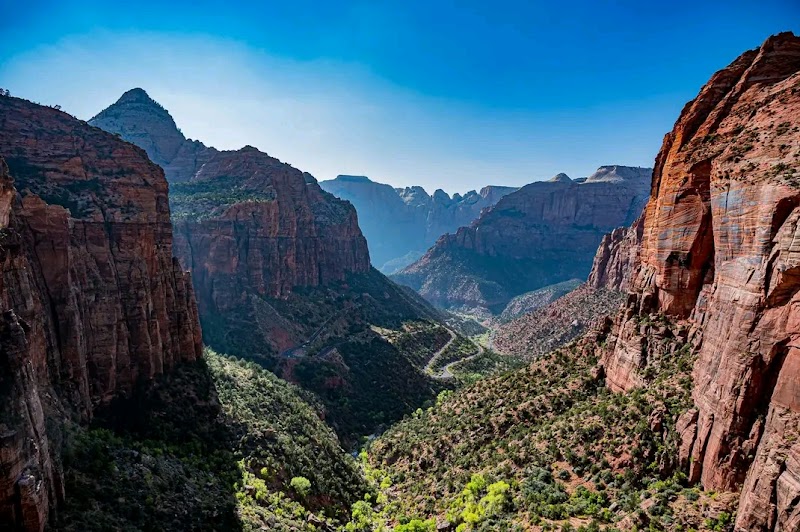
Southern Utah’s red-rock wilderness is as much a playground of light as it is of rugged terrain. From Bryce Canyon's hoodoos to Zion’s towering cliffs, timing your adventure plays a critical role in how the landscape reveals itself. Early mornings coax soft shadows that carve depth into rock formations, while evenings blaze with golden hues that transform the canyons into fiery sculptures.
Plan your hikes to take advantage of this shifting light. For most trails, start just before sunrise or set out in the late afternoon. These windows deliver cooler temperatures and the warm, angled light that photographers prize, without the harsh glare of midday sun. Temperatures swing dramatically here — summer afternoons can push 90°F (32°C), while spring and fall mornings dip into the 40s°F (5-10°C), so gear and timing must work hand in hand.
For example, the Angel’s Landing hike in Zion is 5.4 miles roundtrip with a 1,488-foot elevation gain. Starting before dawn not only avoids crowds but lets the canyon’s vertical walls absorb early sunlight, making for an immersive experience that feels both exposed and intimate. The trail’s switchbacks seem to glow under this delicate illumination, while the Virgin River below dares you to keep moving forward.
Beyond the iconic trails, explore lesser-known paths like the Peek-a-Boo Loop in Bryce Canyon (5.5 miles, moderate, with a 700-foot elevation change). Late afternoon light plays tricks here, igniting the hoodoos into sharp contrasts of shadow and fire. Cooler temperatures in fall and spring make this the ideal season, but watch for the occasional afternoon thunderstorm that commands respect.
Prepare for your trip by packing layers since temperatures can flip quickly, bringing crisp mornings and warm afternoons. Hydration is critical in this desert environment where thirsty winds and intrepid sun can sap strength faster than you expect. Sturdy boots are a must on rocky, uneven surfaces, and trekking poles can ease the strain on steep ascents and descents.
Timing is not only about daylight but weather patterns. Spring blooms offer bursts of color amidst sandstone; summer thunderstorms bring dramatic skies but require caution—flash floods are a real hazard in slot canyons. Fall’s cooling trend invites longer treks and spectacular sunsets, while winter shrouds the landscape with quiet snow, transforming it into a serene, if more challenging, backdrop.
Each moment in Southern Utah tests your readiness against a wilderness fiercely itself—never fully tamed, always demanding respect and attention. By aligning your plans with the natural rhythms of light and season, you open the door to an adventure where every step and every glance captures the region’s raw essence without unnecessary frills.
Ready your pack, mind the clock, and let the desert’s dynamic light become your guide. Southern Utah waits with trails that speak in shifting shadows, rivers that push forward with confident urgency, and rock faces that change color almost as fast as your footsteps carry you across their surfaces.
Nearby Trips
All Adventures
Boat Charters
Water Activities
Adventures near Springdale
Discover the unique and memorable adventures that make Springdale special.
Frequently Asked Questions
What is the best time of day to hike Angels Landing for light and safety?
Starting just before sunrise is ideal—it provides softer light to appreciate the canyon walls and avoids the heat and crowds later in the day. Late afternoon can also be good but watch for fatigue during the final scrambles.
How do weather patterns affect hiking conditions in Southern Utah?
Weather can shift rapidly. Spring and fall offer stable, mild conditions. Summer brings monsoons with thunderstorm and flash flood risks. Winter can coat trails in ice and snow, requiring additional preparation.
Are there lesser-known viewpoints I should seek out?
Yes. In Bryce Canyon, try the Paria View or Agua Canyon overlook—these see fewer visitors but offer sweeping perspectives. In Zion, the Canyon Overlook Trail provides remarkable views with less uphill struggle.
What local wildlife might I encounter on Southern Utah hikes?
Look for mule deer, golden eagles soaring overhead, and desert bighorn sheep clinging to cliffs. Smaller creatures include inquisitive lizards and a variety of songbirds.
What historical or cultural significance does the area hold?
Southern Utah hosts ancient Puebloan sites and petroglyphs. The area has long been a crossroads for Native American tribes and early settlers who respected and interacted with the landscape’s rugged demands.
How should I practice responsible hiking here?
Follow Leave No Trace principles: stay on designated trails, pack out all trash, respect wildlife, and avoid disturbing natural or cultural features. Water sources are fragile—avoid contamination.
Recommended Gear
Sturdy Hiking Boots
Provides traction and ankle support on rocky, uneven terrain common throughout Southern Utah trails.
Layered Clothing
Allows for adapting to temperature swings from cold mornings to warm afternoons.
Hydration System (water bottles or reservoir)
Critical for desert hydration; carry ample water and sip frequently to avoid dehydration.
Trekking Poles
Optional but helpful to reduce strain on knees during steep ascents and descents and improve stability.
Local Insights
Hidden Gems
- "Hidden Canyon Slot near Zion's West Rim offers a quieter slot canyon experience with rewarding light."
- "Tower Bridge viewpoint in Bryce Canyon provides dramatic, crowd-free views of natural arches."
Wildlife
- "Desert bighorn sheep often scale the steep rocky slopes near Kolob Canyons."
- "The chuckwalla, a large desert lizard, sunbathes on exposed rocks, blending well but worth noting."
History
"The area holds ancestral Puebloan ruins and petroglyph panels that reflect centuries of Native American presence. Early Mormon pioneers also traversed these canyons, leaving a lasting mark on the cultural landscape."