Navigating Zion’s Seasons: How Weather Shapes Your Day Hikes
Zion National Park offers day hikes that transform dramatically with the seasons. From spring’s blooming trails to winter’s icy quiet, knowing how conditions shift helps you plan safe, rewarding adventures packed with stunning landscapes and practical insights.
Start Early During Summers
Beat the heat by starting hikes at dawn when temperatures are coolest and crowds are thinner.
Hydration Is Non-Negotiable
Carry at least 3 liters of water in summer and 2 liters in cooler months; water refill stations are limited on trails.
Use Layered Clothing in Fall and Winter
Temperature swings necessitate lightweight outer layers, plus insulation for early mornings and evenings.
Prepare for Slick Terrain in Spring and Winter
Rain and ice turn paths slippery; consider trekking poles and footwear with good traction.
Navigating Zion’s Seasons: How Weather Shapes Your Day Hikes

Zion Full Day Private Tour & Hike
All ages • 8 Hours • Up to 10 people • Starting at $1595
Join Good Trip Adventures for a personalized full-day hike through Zion National Park’s stunning rock formations. Experience the park’s iconic scenery, learn about its geology, and enjoy a gourmet picnic amid towering cliffs. Perfect for a tailored outdoor escape from Belgrade, Montana.
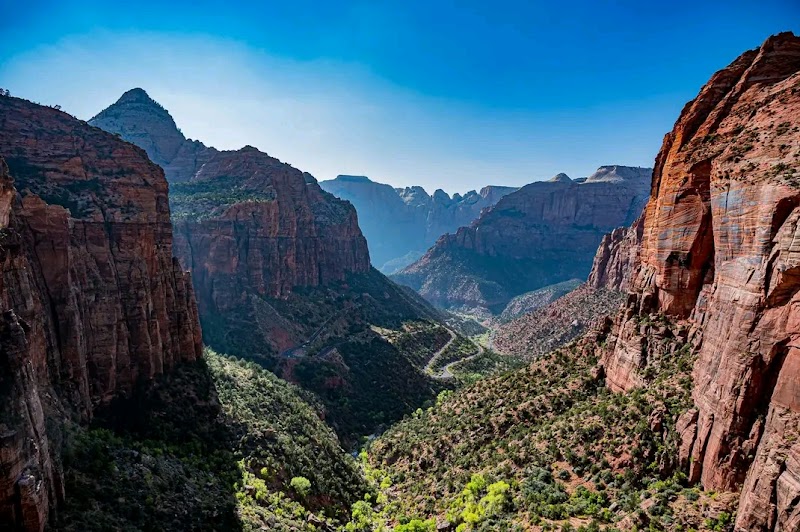
Zion National Park's landscape is fiercely alive, shifting with the seasons to present a day hiking experience that’s as practical as it is exhilarating. Understanding how seasonal conditions impact the trails prepares you to meet the canyon's demands head-on — not just survive, but thrive.
Spring rolls in with cool, inviting temperatures that coax the desert awake. Trails like Angels Landing (5.4 miles round trip, 1,488 ft elevation gain) become flush with blooms, while the Virgin River pushes bolder, challenging crossings on The Narrows. Expect uneven terrain softened by spring rains, turning forested paths slick and lively with new greenery. Hydration is moderate but start early — trail crowds pick up as the days warm.
Summer flames Zion with relentless sun and soaring temperatures often above 100°F. Early mornings are your window to avoid dehydration and heat exhaustion. Hikes such as the Emerald Pools (up to 3 miles, 400 ft elevation gain) offer shade from cottonwoods, but exposed routes like Observation Point demand sun protection and steady pacing. Water sources shrink and the sun dares you with every step. Lightweight, breathable clothing and extra water (minimum 3 liters) are essential.
Fall enters with a reprieve — cooling air and less crowding on the trails. The canyon’s cliffs respond with shifting shadows and vibrant foliage, particularly along the Pa’rus Trail (3.5 miles, minimal elevation). This season invites longer hikes as footing firms and temperatures moderate. The Virgin River's flow slows to a respectful trickle, easing water-based challenges on routes like The Narrows. Keep layers handy for temperature swings between morning chill and daytime warmth.
Winter in Zion is a quiet force. Trails are less crowded but can be icy, especially in shaded, higher elevation sections. Angels Landing’s chains become slick; caution and proper footwear are your allies here. The desert air sharpens and the Virgin River slows, losing much of its daring flow, making some hikes more accessible but the cold demanding. A jacket, microspikes for icy patches, and knowledge of shorter daylight hours are critical.
Each season sculpts Zion differently — from the flowering wilds of spring to the harsh sun-baked trails of summer, the mellow autumn hues, and the crisp, icy silence of winter. Respect these moods. The park invites you to read its cues and adjust your gear, pace, and timing accordingly.
The adventure in Zion is a conversation between you and the land — never static, always evolving. With clear plans, solid preparation, and an eye on the season's temperament, your day hikes will become an ongoing discovery of nature’s raw, untamed character.
Nearby Trips
All Adventures
Boat Charters
Water Activities
Adventures near Springdale
Discover the unique and memorable adventures that make Springdale special.
Frequently Asked Questions
What is the best time of day to hike in Zion during summer?
Early morning is optimal, ideally starting before sunrise. Temperatures are significantly cooler, and trails are less crowded, minimizing heat-related risks.
Are there water refill stations on day hikes in Zion?
Water refill stations are scarce on most trails. It’s important to carry enough water for your entire hike, especially in warmer months when hydration needs increase.
What should I watch out for when hiking The Narrows in spring?
Spring runoff can cause the Virgin River to rise quickly and become dangerous due to swift currents. Always check river conditions and weather forecasts before proceeding.
Can I hike Angels Landing safely in winter?
Yes, but only with experience and proper gear such as microspikes and gloves. Chains on the trail can be icy, and cold weather demands careful preparation.
Are there quiet or less crowded trails in Zion during peak season?
Pa’rus Trail and the Watchman Trail see fewer visitors than Angels Landing or The Narrows, offering a more peaceful hiking experience even in busier months.
How do seasonal wildlife patterns affect hikes in Zion?
Spring and fall bring increased animal activity, including mule deer and various birds. Keeping a respectful distance is essential to avoid disturbance and ensure safety.
Recommended Gear
Sturdy Hiking Boots
Provides support and traction on rocky, uneven, or slippery terrain.
Hydration Pack or Water Bottles
Essential for maintaining hydration in hot or dry conditions, particularly critical in summer.
Layered Clothing System
Allows you to adjust easily to temperature swings and wind chill in cooler seasons.
Trekking Poles
Help with balance on slick or uneven surfaces, especially during icy or wet periods.
Local Insights
Hidden Gems
- "Canyon Overlook Trail — offers panoramic views with fewer crowds than Angels Landing."
- "Observation Point’s east rim — less frequented with expansive canyon views."
- "Kolob Canyons — north-west section, showcasing dramatic red rock but quieter trails."
Wildlife
- "Desert Bighorn Sheep often spotted on steep cliffs."
- "California Condors occasionally soar overhead."
- "Coyotes and mule deer are active during dawn and dusk."
History
"Zion’s trails pass through areas once inhabited by indigenous peoples like the Ancestral Puebloans and Southern Paiute, whose cultural imprints remain in rock art and artifacts."