Mastering Photography in the Ever-Changing Light of Zion National Park
Zion National Park offers photographers a playground of light and shadow, challenging them to adapt with each step. From early morning misty trails to harsh midday sun and golden hour warmth, learn how to capture the park's dramatic landscapes with practical tips and trail insights.
Plan Your Shoot Around Light Cycles
Map your hike to hit sunrise or golden hour vantage points, balancing photography with pacing and hydration breaks.
Carry a Lightweight Tripod
Stabilize your shots during low-light times like dawn or cloudy conditions to avoid motion blur and improve clarity.
Hydrate and Wear Layered Clothing
Zion’s temperatures shift quickly—with exposure varying from shaded ravines to sun-bathed rocks—stay comfortable to focus on your shots.
Protect Your Gear from Dust and Sand
Use lens caps and camera covers since trail dust and sandstone grit challenge lenses and moving parts especially in windy conditions.
Mastering Photography in the Ever-Changing Light of Zion National Park

Photography Hike
Join a private Photography Hike in Joshua Tree with expert guides and discover perfect spots for capturing stunning desert landscapes. This personalized adventure is ideal for photographers seeking unique photo opportunities amidst iconic rock formations and vibrant sunsets.
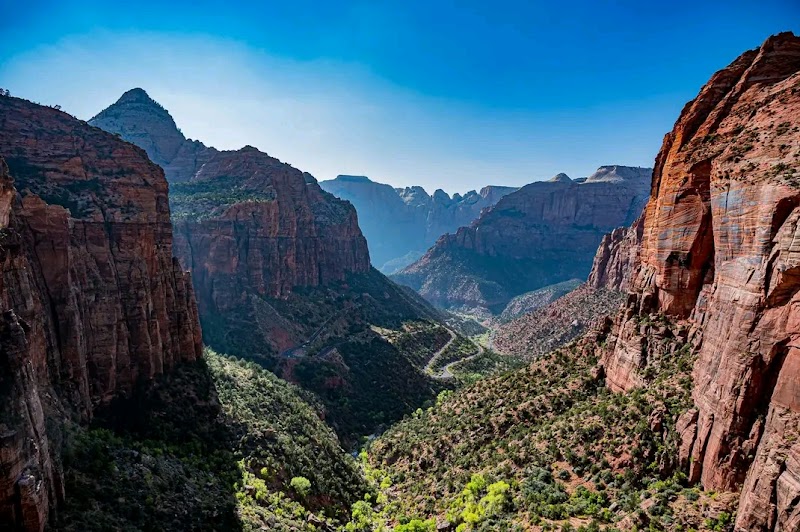
Zion National Park’s dramatic cliffs and winding canyons present an exciting but often tricky challenge for photographers adjusting to shifting light conditions. The contrast between deep shadows and bright highlights demands quick thinking and versatile techniques. Here’s how to adapt your photography approach while hiking Zion’s trails, ensuring you capture its wild beauty no matter the light.
During the early morning, the canyon wakes slowly—the soft light caresses sandstone walls with warm, diffused tones. This is the moment to use a tripod and lower ISO to get sharp, noise-free images of forested paths and reflective pools. Shooting between the hours of 6 and 9 am means conquering cooler temperatures and relative solitude but being prepared with layers is key as the canyon air pushes a chill.
As the sun climbs, harsh sunlight commands the landscape, casting bold and fierce shadows. To contain this challenge, use a polarizing filter to reduce glare from smooth surfaces like Virgin River’s daring currents and heighten contrast. Dial down exposure slightly to keep bright highlights intact, and shoot in RAW to preserve detail for post-processing. A lens hood helps manage sunlight flares when shooting upward to capture the vertical cliffs framed by the ever-watchful juniper trees.
When the afternoon light softens, the golden hour pulls the terrain into a kinder glow. This window—usually between 4 and 6 pm in spring and fall—is perfect for wide landscapes. Switch to a wider aperture to blur the foreground lightly and draw focus on the sweeping views from Angels Landing or the mossy, shaded floor beneath the Checkerboard Mesa. Bring a portable reflector or utilize natural reflectors like sandstone surfaces to bounce light onto shadowed spots.
Cloud cover and storms add another layer of complexity and opportunity. Overcast days mute colors but offer evenly dispersed light, ideal for capturing rich textures in cliff faces and subtle plant hues. Faster shutter speeds come into play here, as weather can turn swiftly—anticipate wind gusts that make tree branches sway like restless spirits.
Hiking distances in Zion vary widely, from short 1-mile walks like Riverside Walk to the 8.7 miles roundtrip trek to Angels Landing, with elevation gains ranging from 200 to 1,500 feet. Trails shift from packed dirt to rocky slabs, so sturdy footwear with solid grip is essential. Hydration packs are a must—Zion’s sun and exertion push you hard. Timing your photography around light cycles means not just catching great shots, but also pacing your hike to maximize comfort and safety.
Photography here is less about conquering the scene and more about partnering with the land and light as they change relentlessly. Be ready to tweak settings, adjust your position, and engage with the environment’s fierce, ever-evolving rhythm. Respect Zion’s force, and it will reward you with images that are not only beautiful but fiercely alive.
Nearby Trips
All Adventures
Boat Charters
Water Activities
Adventures near Springdale
Discover the unique and memorable adventures that make Springdale special.
Frequently Asked Questions
What is the best time of day for photography in Zion?
Early morning and late afternoon light offer balanced exposure and warm tones. Midday requires filters or exposure adjustments due to high contrast.
Do I need permits for hiking and photography in Zion?
Permits are required for certain hikes like Angels Landing and for commercial photography. Recreational photography on most trails is permitted without special permits.
How can I protect my camera gear from the environment?
Use lens caps when not shooting, keep your camera in protective cases, and avoid changing lenses in dusty or windy conditions to prevent sand intrusion.
Are drones allowed for photography at Zion?
Drones are prohibited within Zion National Park to preserve wildlife and visitor experience.
What wildlife might I photograph?
Look for mule deer grazing at dawn, California condors soaring overhead, and lizards sunning themselves on rocks.
Is there Wi-Fi or cell coverage to share photos immediately?
Cell coverage is intermittent; consider offline apps for immediate review and backup photos with portable drives.
Recommended Gear
Lightweight Tripod
Stabilizes shots in soft light conditions or longer exposures, essential for low-light photography.
Polarizing Filter
Reduces glare and deepens color saturation, particularly useful under midday sun.
Water Bottle or Hydration Pack
Maintains hydration amid Zion’s heat and physically demanding hikes.
Layered Clothing
Adjusts for temperature swings from chilly mornings to warmer afternoons.
Local Insights
Hidden Gems
- "Canyon Overlook Trail—offers intimate canyon views without major crowds"
- "Weeping Rock—captures natural water flow with unique moss-covered walls"
Wildlife
- "Desert bighorn sheep often appear near cliff ledges at dawn"
- "The elusive ringtail cat navigates rocky crevices after sunset"
History
"Zion’s human history includes ancient Ancestral Puebloans whose petroglyphs and ruins remain testament to their resourcefulness in this demanding land."