
Essential Gear for a Comfortable Zion National Park Sunset Tour
Zion National Park’s sunset tours transform the landscape into a glowing canvas framed by sandstone cliffs and cooling desert air. This guide offers practical gear advice to ensure comfort and safety, helping hikers of all skill levels enjoy the stunning twilight experience without compromise.
Choose Durable Footwear
Traction and ankle support protect you on uneven, often rocky terrain especially as light fades. Opt for hiking boots or trail shoes with firm soles.
Layer for Quick Temperature Shifts
Bring moisture-wicking base layers with insulated outerwear and a windbreaker. Deserts cool fast after sunset and winds can be sharp.
Bring Reliable Lighting
Headlamps or flashlights and extra batteries are crucial. Trails become tricky and visibility drops quickly at dusk.
Hydrate Before and During the Hike
Even as the temperature drops, dehydration is a risk. Carry at least one liter of water per person and sip regularly.
Essential Gear for a Comfortable Zion National Park Sunset Tour

Zion Mountain Sunset Jeep Tour
1.5 Hour • Ages 2+ • Mild/Rugged
Embark on a private sunset Jeep tour through Zion's rugged landscapes near Mt Carmel. Discover stunning viewpoints, learn about the area's geology, and capture breathtaking photos as the sun sets over Utah’s iconic scenery.
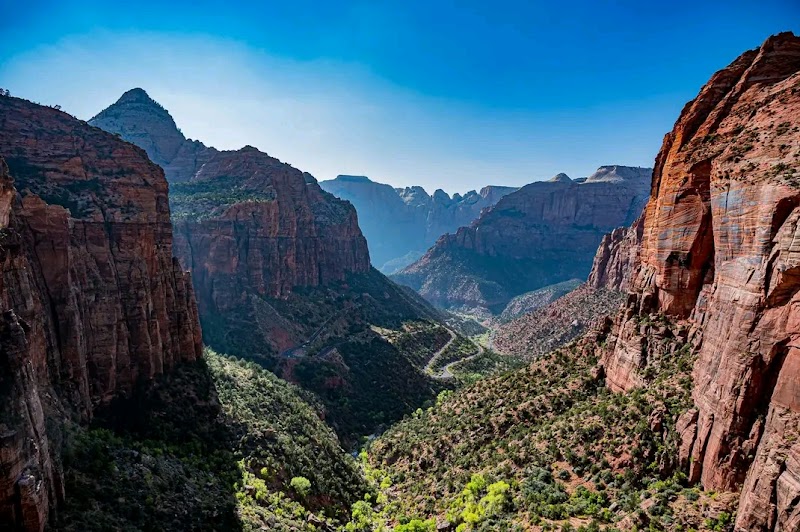
A Zion sunset tour offers a unique way to engage with the park as the fading sun turns sandstone cliffs fiery red and shadows stretch long across the rugged terrain. To enjoy this adventure fully and comfortably, you need gear that keeps pace with both the park’s natural pulse and the evening’s temperature dip.
Start with footwear: sturdy hiking boots or trail shoes with a reliable grip are vital to navigate varied terrains—from slick rock paths to packed soil with intermittent loose stones. Expect about 3-5 miles round trip depending on your chosen route, with elevation gains around 400-700 feet. The terrain demands attentiveness as the sun declines and visibility drops, especially on narrow ledges bordering steep drop-offs.
Layering your clothing is key. Early evening warmth gives way quickly to cooler air, and desert winds pick up with the downhill chill. Moisture-wicking base layers topped by a fleece or light insulated jacket provide balance between breathability and warmth. A windbreaker will brace you against canyon drafts that seem to have their own agenda.
Lights are essential. Headlamps or handheld flashlights allow for safe return as twilight fades to night. Bring extra batteries to avoid being stranded in the dark where the silence is charged and the stars crowd the sky.
Hydration remains critical despite cooler temperatures. A liter of water per person easily covers the low to moderate exertion of a sunset hike, but always carry more if you plan to linger or take extensive breaks. A hydration pack works well for hands-free sipping while negotiating rocky paths.
Packing snacks like energy bars or trail mix provides steady fuel as your body works against the cooling desert air.
Additional gear includes a hat for sun protection during the early phase of your hike, sunglasses to guard against glare reflecting off canyon walls, and a camera or smartphone for capturing the changing light. Prepare for rapid weather changes by consulting the forecast and packing accordingly.
Arrive early to find parking and settle into your trailhead, giving yourself time to acclimate to the environment before the sun dips. As you walk, listen to the canyon streams daring you forward and feel the sandstone cliffs lean inward, their heat lingering in the cooling air.
This isn’t a path to conquer but a natural force to experience — firm, fiercely itself, demanding respect and preparation. Equipped with the right gear, you’ll navigate it confidently and return refreshed, carrying the memory of Zion’s sunset shadows with you.
Nearby Trips
All Adventures
Boat Charters
Water Activities
Adventures near Springdale
Discover the unique and memorable adventures that make Springdale special.
Frequently Asked Questions
What is the typical route for a Zion sunset tour?
Many sunset tours favor trails like Canyon Overlook or Watchman Trail, both offering manageable elevation and scenic views that capture the changing light well within 3-5 miles round trip.
Are there any wildlife encounters to expect at sunset?
As dusk falls, mule deer often emerge from thicker cover to graze, and red-tailed hawks may glide in thermal currents, taking advantage of the cooler air and shifting winds.
Is hiking in low light safe in Zion National Park?
Yes, if you come prepared with adequate lighting and know the trail. The switchbacks and narrow ledges require focused attention when visibility drops.
How do the weather conditions change after sunset?
Temperatures decline rapidly, and canyon winds can increase, making layered clothing and wind protection essential. Occasional sudden storms can appear, especially in summer monsoon season.
Are permits or fees required for sunset hikes?
While entrance fees apply for Zion National Park, no special permits cover sunset hikes on most trails. Check current park conditions and regulations before your visit.
Where are good spots to photograph the sunset?
Lookouts like Angels Landing viewpoint, Canyon Overlook, and the Watchman provide vantage points where fading sunlight ignites red and orange hues in the canyon walls.
Recommended Gear
Sturdy Hiking Boots
Proper footwear offers grip and ankle support on rocky, changing terrain.
Layered Clothing System
Base layers, insulation, and a windbreaker maintain comfort through shifting temperatures.
Headlamp with Extra Batteries
Essential for visibility once the sun sets and shadows deepen.
Hydration Pack or Water Bottles
Staying hydrated supports energy and clear thinking throughout the hike.
Local Insights
Hidden Gems
- "Hidden Canyon overlook – a less crowded viewpoint capturing sunset hues."
- "The Grotto picnic area – a quieter option away from main trailheads."
Wildlife
- "Desert bighorn sheep can sometimes be spotted near shaded cliffs."
- "Owls arrive at dusk, their calls punctuating the cooling air."
History
"Zion was originally named Mukuntuweap by the native Southern Paiute tribe, referring to the rugged canyon landscapes. The park has long been a place of cultural significance and spiritual connection."