Timing The Perfect Private Island Visit Off Southport, NC
A private island off Southport, NC offers a rugged coastal escape shaped by tides and wind. Learn how to time your visit for ideal weather, access, and wildlife encounters while staying prepared for the island’s raw, shifting terrain.
Check Tide Schedules Before Departure
Tide changes affect island accessibility and shoreline trails. Plan your trip around low tides to avoid being stranded or cut off by rising waters.
Wear Waterproof, Sturdy Footwear
The island’s terrain alternates between sandy patches and wet saltmarsh. Waterproof shoes with good grip will handle both comfortably.
Bring Adequate Water and Sun Protection
No fresh water is available on the island. Carry enough hydration and use sunblock, hats, and lightweight protective clothing for sun exposure.
Time Your Visit for Morning or Late Afternoon
Avoid mid-day heat and catch the island’s most flattering natural light by planning your hike early or late in the day.
Timing The Perfect Private Island Visit Off Southport, NC

Chartered Private Rental
All Ages • 2-4 Hour Options • Up to 10 Passengers
Experience personalized boat adventures in Southport with Blackbeard Scuba. Discover hidden islands, enjoy first-class dining, or relax on a private beach—all tailored for your group’s perfect day on the water.
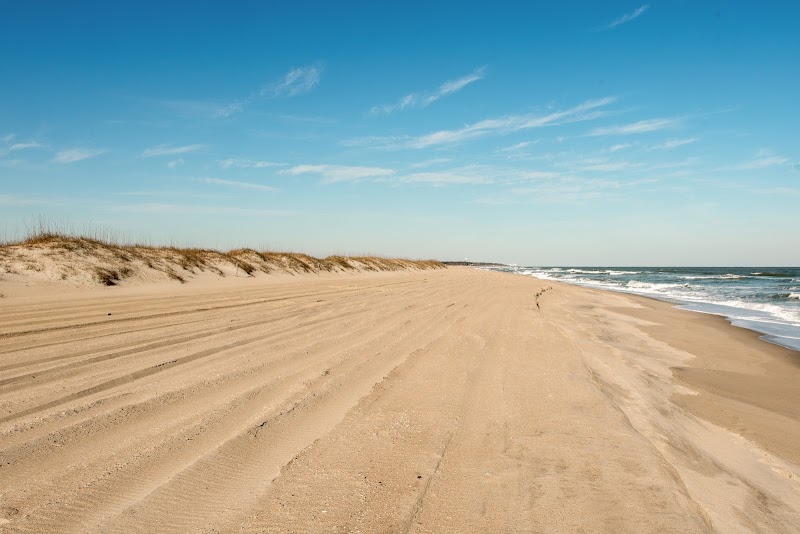
Just a short boat ride from the historic town of Southport, North Carolina, a private island waits with quiet allure and weathered charm. This isn’t about glossy resort amenities, but about an encounter with a landscape shaped by the tides and time. Planning your visit here hinges on timing: the island’s accessibility, climate, and natural rhythms dictate the quality of your experience. The crossing itself covers roughly two miles over shifting currents that pull with a will of their own, demanding a sturdy vessel and a keen eye for weather. Once ashore, the terrain unfolds as low dunes edged with salt-tolerant grasses and clusters of maritime forest trees—pines and oaks that stand firm against coastal winds. The ground is soft sand and patches of packed earth, easy to navigate but tricky in wet weather.
Early fall is a sweet spot: the summer’s oppressive humidity eases, the island’s insect population thins, and the afternoon sunlight casts golden hues across the saltmarshes. Expect a round-trip shoreline circuit of about three miles, mostly flat but with occasional soft steps through underbrush that asks for steady footing. The island dares you to explore its edges—each wind-bent tree and tidal pool a story in resilience. Prepare to greet wading birds, their watchful eyes tracking the ripple of fish just beneath the surface.
Your visit’s success leans heavily on preparation. Light waterproof footwear is ideal; trails are informal and can flood in spring tides. Bring layered clothing—coastal weather shifts fast, swinging from sun to sudden squall without warning. Hydration is non-negotiable; fresh water sources are absent save what you carry. Time your visit early morning or late afternoon to avoid midday sun and catch the best light for photos. Stay alert to the tide schedule. Getting stranded is a real risk on this slender strip of land where ocean and estuary wrestle daily.
This island isn’t merely a place to set foot—it’s a quietly fierce ecosystem to respect. The wind presses onward, always, shaping sand and flora alike. Tides push in and pull away as if to remind visitors that their presence is brief against nature’s continuity. With thoughtful timing and practical gear, your visit can be a moveable feast of discovery, blending the ease of a day trip with the depth of an isolated experience. When the boat pulls away, the wind may tease you with salty whispers—an invitation to return when conditions align just right.
Nearby Trips
All Adventures
Boat Charters
Water Activities
Adventures near Southport
Discover the unique and memorable adventures that make Southport special.
Frequently Asked Questions
How do I access the private island off Southport?
Access is primarily by private boat or kayak from Southport. Some local operators may offer guided trips, but bringing your own vessel and confirming tide schedules is best to ensure safe crossing.
Are there any marked trails on the island?
The island doesn’t have formal trails. Visitors navigate informal shoreline paths and forest edges, so good footwear and a cautious approach are essential.
What wildlife might I see during the visit?
Expect to see various shorebirds like herons and egrets, fiddler crabs near tidal pools, and occasionally deer browsing in the island’s interior maritime forest.
Is the island suitable for children or beginners?
With supervision and proper preparation, children can enjoy the island, keeping in mind its lack of marked trails and tidal risks. Beginners should pay close attention to tides and weather.
Are there any facilities or fresh water on the island?
No facilities or fresh water are present. Visitors must bring all necessary supplies and pack out all waste to preserve the island’s natural state.
When is the best time of day for wildlife viewing?
Early morning and late afternoon offer the best chances to see active wildlife with softer light, especially for shorebirds feeding along tidal margins.
Recommended Gear
Waterproof hiking shoes
Keep feet dry and maintain grip on sandy, wet, and marshy terrain throughout warmer months.
Hydration pack or water bottles
Fresh water isn’t available on the island; bring enough to stay hydrated for the duration of your visit.
Lightweight, layered clothing
Adapt to variable coastal weather—protect against wind, sun, and sudden temperature drops.
Insect repellent
Necessary during warmer months when mosquitoes and biting insects increase around marsh areas.
Local Insights
Hidden Gems
- "A hidden saltmarsh lagoon on the island’s north side that fills quietly with each tide change."
- "A small cluster of ancient live oaks on the western tip, offering shelter and a rare shady spot."
Wildlife
- "Migratory shorebirds like sandpipers and yellowlegs."
- "Marsh rabbits and occasional river otters visiting the tidal creeks."
History
"The island was historically used by local fishermen as a seasonal base and occasional refuge from storms, its dunes and forests unchanged witnesses to coastal livelihoods."