Timing Your Adventure: Lighting and Scenery on Lake Tahoe’s Historic Trails
Experience Lake Tahoe’s historic sites at their most vivid by hitting the trails at the optimal time for lighting and scenery. This guide breaks down when to hike, what to expect along the terrain, and how to prepare for an adventure that balances rich history with stunning natural beauty.
Start Early for Soft Morning Light
Kick off your hike just after sunrise to catch the warm hues of early light and avoid midday heat, which can wash out details on historic structures.
Wear Sturdy Footwear
Trails range from rocky to root-covered; hiking boots with good grip protect you from slips and help with steady ascents and descents.
Bring Enough Water
Dry mountain air accelerates dehydration — carry at least two liters per person even on short hikes.
Pack Layered Clothing
Temperatures can swing quickly between sun and shade, particularly near ridges or lake edges; layers let you adjust on the fly.
Timing Your Adventure: Lighting and Scenery on Lake Tahoe’s Historic Trails

LetsBatch - 4 Hour Bachelorette Package - Private Boat Charter With Captain
Up To 13 Passengers
Celebrate your special day on Lake Tahoe with a private, customizable boat cruise. Discover scenic spots like Emerald Bay and Vikingsholm Castle while enjoying a lively, personalized experience with friends—an unforgettable way to mark a milestone.
Lake Tahoe’s historic sites offer more than a chance to step back in time — they invite you into a world where natural forces and human stories intertwine. Optimal timing for lighting and scenery here is not just about catching views, but about engaging with the terrain as it shifts throughout the day and seasons.
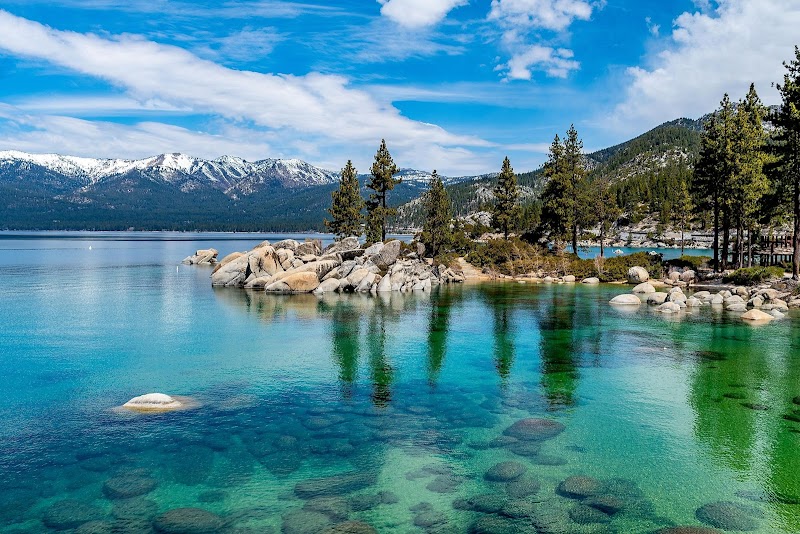
Start your hike early, when the first light filters through towering pine and aspen, casting mottled shadows on the well-trod paths. The gentle morning sun illuminates old cabins, mining ruins, and ranger stations with a soft golden glow, bringing out their weathered textures. Morning is also when the air feels sharp and the lake’s surface appears like glass, daring you to draw nearer to its edge.
By late afternoon, the sun angles lower, sharpening contrasts on the granite walls and reflecting off the water in dazzling bursts. Look for vantage points like the Tahoe Rim Trail section near Spooner Summit or the Fallen Leaf Lake historic docks where the play of fading light enhances detail and depth. The campfire rings and stone hearths seem to hum with stories as shadows gather. This is prime time for photography — the low sun creates long, dramatic silhouettes.
Understand the terrain before setting out. Many historic sites involve moderate elevation gain—expect between 400 and 900 feet depending on your chosen trailhead—with forested ridges that challenge your footing with roots and loose rocks. Trails range from 2 to 6 miles round trip, demanding sturdy footwear and a steady pace. Water? Always bring more than you think. The dry mountain air pushes your limits.
Seasonal timing shifts the experience. Spring’s melting snow prompts vibrant green bursts and rushing streams, though trails can still be slick. Summer days stretch long but can grow hot in exposed areas near old logging roads and open ridgelines. Fall turns the forests fiery orange and gold, perfect for those late afternoon hikes when the sun drifts low. Winter often blankets these sites in silent white, accessible only with snowshoes or skis, transforming the scenes into quiet, frozen stillness.
Approaching these places means respecting the land as it fiercely guards its legacy. Every bend in the trail is alive with nature’s presence—the creek babbles like a restless guide, rocks hold the weight of ancient stories, and wind weaves through branches as if whispering warnings and encouragement. Your timing is your pact with this place: arriving when the light reveals history’s rugged face and the scenery speaks in color and shadow.
By planning to hike during these key light windows—dawn to mid-morning and late afternoon to dusk—you maximize sensory rewards while avoiding midday heat and glare. Equip yourself with layered clothing for shifting temperatures, good boots for varied terrain, and a camera ready to capture the interplay of light and landscape. Hydrate consistently and pace intentionally; the lake’s fresh air will energize you, but the terrain demands your respect.
Lake Tahoe’s historic trails are adventures carved out of time and terrain. Choose your timing wisely, and you’ll not only see history — you'll feel it moving alongside the morning mist, glowing in the sunset, and settling deep into the mountain air.
Nearby Trips
All Adventures
Boat Charters
Water Activities
Adventures near South Lake Tahoe
Discover the unique and memorable adventures that make South Lake Tahoe special.
Frequently Asked Questions
What historic sites are must-sees near Lake Tahoe?
Notable sites include the Spooner Lake Historic District featuring old ranger structures, and the Glenbrook Historic Site with remains of early lumber operations. Each offers distinct perspectives on the region’s past.
When is the best time to photograph these historic areas?
Aim for early mornings just after sunrise or late afternoons before sunset to capture warm, directional light that enhances textures and contrasts of old wood and stone.
How physically challenging are these hikes?
Most trails to historic sites involve moderate elevation gain (400-900 ft) and uneven ground. They're accessible to most hikers with reasonable fitness but require good footwear and preparation.
Are pets allowed on the historic hikes around Lake Tahoe?
Pets are generally allowed on most trails but must be kept on leash. Check specific trail regulations beforehand as some sensitive sites restrict pets to protect fragile environments.
What wildlife might I encounter on these trails?
Watch for black-tailed deer, marmots, and occasional black bears. Birdwatchers can enjoy Steller’s jays and various woodpeckers. Always observe wildlife from a distance and store food securely.
Are there less crowded times to visit these historic sites?
Weekday mornings and shoulder seasons—late spring and early fall—offer quieter experiences, making it easier to enjoy the interplay of light and history without crowds.
Recommended Gear
Hiking Boots
Provide ankle support and traction on mixed terrain typical of Lake Tahoe's historic trail routes.
Layered Clothing
Allow adjustment to temperature swings during morning and late afternoon hikes.
Water Bottle or Hydration System
Ensures proper hydration in the dry mountain climate, critical on longer hikes.
Camera or Smartphone
To capture shifting lighting conditions that highlight the historic structures and sweeping lake views.
Local Insights
Hidden Gems
- "Lovers Leap lookout near Fallen Leaf Lake — a seldom-visited vantage with panoramic views over both lake and mountains."
- "The old timber flume remnants along the Tahoe Rim Trail, revealing historic logging ingenuity."
Wildlife
- "Mule deer frequent lower elevations in early morning and dusk, while bald eagles patrol the lake’s edge during winter months."
History
"This area traces heavy logging and mining development from the mid-19th century, pivotal in the growth of the Tahoe Basin. Ranger stations and cabins remain as touchstones to early conservation efforts."