Staying Safe and Prepared on Lake Tahoe’s Waters with VHF and Coast Guard Gear
Lake Tahoe offers stunning freshwater adventure with its vast, wind-whipped waters and towering mountains. Staying safe means arming yourself with reliable VHF radios and Coast Guard-approved gear to face the lake’s shifting moods with confidence.
Equip a VHF Radio
Ensure your vessel has a working VHF radio with fresh batteries to communicate effectively with the Coast Guard and other boats.
Check Weather Updates Often
Lake Tahoe’s weather changes rapidly; monitor marine forecasts before and during your activity for incoming storms or wind shifts.
Wear Coast Guard-Approved PFDs
All passengers should wear Coast Guard-approved personal flotation devices to meet safety requirements and improve survival chances in emergencies.
Learn Emergency Signal Techniques
Carry and know how to use signaling devices like flares, whistles, or mirrors to attract attention if you require rescue.
Staying Safe and Prepared on Lake Tahoe’s Waters with VHF and Coast Guard Gear

22Ft Glasstream Boat Rental
Fits 5 Adults • 1-7 Day Rental Options • All Ages
Set out on the water aboard a 22Ft Glasstream with Keyz boats in Marathon. Perfect for family fun, fishing trips, or island-hopping, this rental offers a flexible way to enjoy the stunning Florida Keys marine environment.
Lake Tahoe’s crystal depths and rugged shoreline call to adventurers drawn to the water’s challenge and charm. But beneath the surface, unseen currents and sudden weather shifts demand respect and readiness. Whether you're piloting a kayak across Emerald Bay or navigating a motorboat along the eastern shore, equipping your craft with VHF radios and Coast Guard-approved safety gear ensures you aren’t facing the lake’s moods alone. VHF radios crackle as lifelines, cutting through the wind and waves with a direct line to rescue services. Before you cast off, understand that VHF communication is not just about emergency calls—it’s your informed companion to stay aware of changing weather, communicate with fellow boaters, and confirm your location.
Coast Guard-approved gear like personal flotation devices (PFDs), signaling devices such as flares or whistles, and throwable flotation aids enhance your safety net. They’re not just items stashed away; these tools become your voice and shield should the lake prove fierce. Lake Tahoe’s waters cover nearly 191 square miles, with depths reaching over 1,600 feet, and conditions can shift quickly, driven by mountain winds or afternoon thunderstorms that sweep in like sudden challenges both visible and lurking.
Preparation means more than packing gear. Check the weather with local marine forecasts, test your VHF radio ahead of departure, ensure all devices have fresh batteries, and everyone on board knows how to use them. Familiarize yourself with Coast Guard safety checklists available online or at local marinas. Wearing appropriate footwear for slippery docks and maintaining a hydration plan guards against the fatigue and exposure that can dull attention in the demanding lake environment.
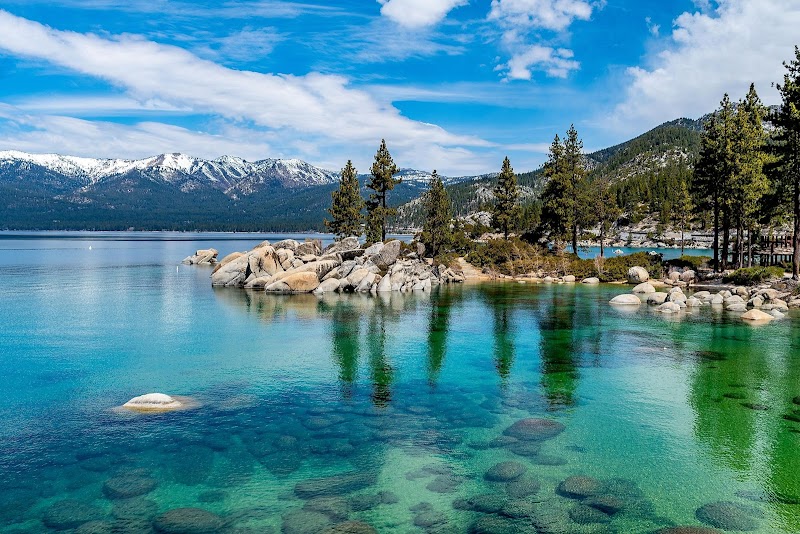
Approaching Lake Tahoe, the pine-lined shores watch carefully, while the shifting light plays on the water’s restless surface. The lake is fiercely itself—beautiful but demanding. Respect brings safety; readiness builds confidence. With the right equipment and knowledge, you navigate not just the lake but the experience itself, joining the ranks of those who venture smartly, act decisively, and return enriched by the encounter.
Nearby Trips
All Adventures
Boat Charters
Water Activities
Adventures near South Lake Tahoe
Discover the unique and memorable adventures that make South Lake Tahoe special.
Frequently Asked Questions
Why is a VHF radio preferred over a cell phone on Lake Tahoe?
VHF radios provide direct, reliable marine communication over long distances unaffected by spotty cell coverage around the lake's mountainous shores.
What Coast Guard safety gear is required by law on Lake Tahoe?
At minimum, a Coast Guard-approved PFD for each person onboard, a throwable flotation device, sound signaling devices, and visual distress signals such as flares are required.
Are there any hidden risks when boating on Lake Tahoe?
Yes. Sudden gusts off surrounding peaks can whip surface waters into choppy waves; cold water temperatures pose hypothermia risks even in summer.
How can I register a safety plan before going out on the lake?
Inform local marina staff or a trusted contact of your itinerary, expected return time, and vessel details. The Coast Guard also encourages filing float plans for high-risk trips.
Where can I learn proper use of VHF radios and signaling equipment?
Marinas around Lake Tahoe and local boating clubs often offer safety courses. Online Coast Guard tutorials provide detailed operational guidance.
Is it safe to swim in Lake Tahoe without any safety gear?
Swimming without flotation devices is risky due to cold water temperatures and sudden depth changes; always use PFDs and swim near shore or supervised areas.
Recommended Gear
VHF Marine Radio
Reliable communication device essential for emergency contact, weather updates, and coordination on the water.
Coast Guard-Approved Life Jacket (PFD)
Personal flotation device is mandatory for all passengers to maximize safety in case of capsizing or falls.
Waterproof Flares or Signaling Devices
Necessary for marking your location visually during rescue situations, even in daylight.
Layered Waterproof Clothing
Protects against sudden weather changes and chill, especially during off-summer seasons.
Local Insights
Hidden Gems
- "Cave Rock Lookout – A quiet vantage point accessible by a short hike offering expansive lake views with fewer crowds."
- "Spooner Lake Trail – A less-traveled path revealing dense forests and occasional wildlife sightings."
Wildlife
- "Bald eagles frequent the lake in fall and winter months."
- "Mink and river otters dart along shorelines, especially near quieter bays."
History
"Lake Tahoe has long served as a vital water source and spiritual region for the Washoe Tribe, with cultural sites near the lake’s southern edges."