Optimal Timing for Lake Tahoe Outings: Navigating Water Conditions and Scenic Peaks
Lake Tahoe shifts dramatically through the seasons, shaping water clarity and hiking conditions that determine the quality of your visit. Learn when to time your trip for the best water conditions and stunning scenery while preparing practically for a safe, dynamic outdoor experience.
Hydrate Before You Head Out
Mountain air at Tahoe tends to dry you out quickly even without heavy sweating. Carry at least 2 liters of water and sip regularly to stay alert and energized.
Start Early to Catch Calm Waters
Lake winds often swell by afternoon, making early mornings ideal for water activities like kayaking or paddleboarding when the surface is glassy and serene.
Layer Up for Variable Weather
Temperature fluctuations are common as you gain elevation or approach sunset. Pack moisture-wicking layers and a windbreaker for protection against sudden chills.
Respect Lake Currents and Weather Updates
Spring runoff increases current strength in feeder streams and near-shore areas, making swimming or crossing streams more hazardous. Check local forecasts and avoid risky water crossings.
Optimal Timing for Lake Tahoe Outings: Navigating Water Conditions and Scenic Peaks

19' Four Winns Tower
For up to 8 Passengers | From $229
Discover the beauty of Lake Tahoe with a private boat tour aboard the 19' Four Winns Tower. Perfect for relaxing, sightseeing, and creating unforgettable memories on California's most scenic lake.
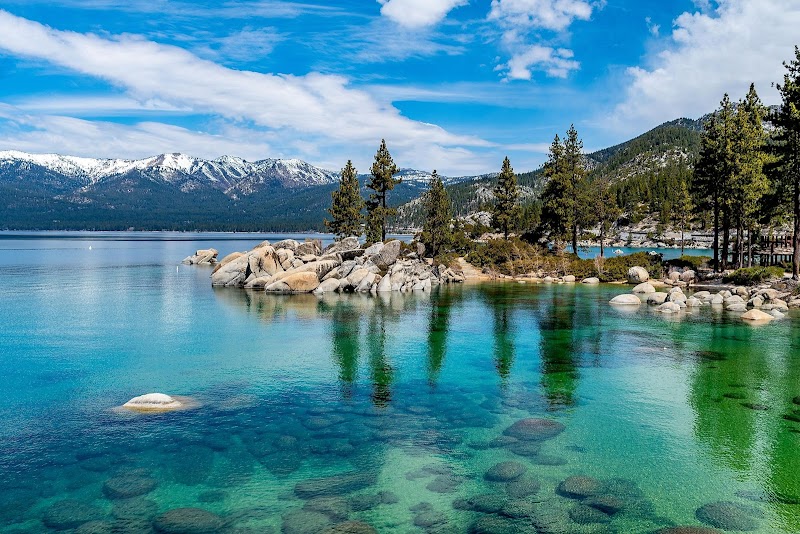
Lake Tahoe’s waterways and vistas are profoundly influenced by the rhythm of the seasons, demanding strategic planning for outings aiming to catch the lake at its best. Spring floods feed the lake with rushing streams, making the water unusually vibrant but also stirring up sediment that can dull the usually crystal-clear depths. By early summer, the lake defers some of its early spring turbulence, settling into calmer, clearer conditions favored by swimmers, paddlers, and anglers alike.
Planning a hike around Tahoe means accounting for these shifts. Consider the Tahoe Rim Trail, a 165-mile loop offering sections with forested stretches and high ridges that gaze down on the lake’s sparkling surface. Popular day hikes, like the Eagle Lake route, deliver a manageable dose of elevation (about 450 feet gain over 2 miles round-trip) with a payoff of a secluded alpine lake reflecting pine-laden slopes—best visited late spring through early fall to avoid the snow patches that hold on into June.
Water conditions are heavily determined by recent weather patterns and lake temperature. The incorrigible currents of Tahoe's inflowing rivers challenge paddlers in spring, while calm afternoons of summer coax out kayaks and paddleboards. Fall slides into a quieter mode, with shifting colors trimming the shoreline trees and cooler water signaling the approaching winter. During winter, snowpack swells the lake's tributaries but access to higher trails gets more technical; waterproof boots and traction devices become necessities.
For hikers, footwear should combine grip and waterproof qualities to negotiate streams swollen by spring runoff, and layered clothing addresses quick weather changes at elevation. Hydration carries its own urgency—crisp mountain air deprives the body of moisture without obvious sweat cues; carrying at least 2 liters per outing is wise. Early starts catch the cooler morning air and often the clearest waters, as late afternoon winds intensify, stirring the lake’s surface.
Scenic highlights include the expansive views across to the Sierra Nevada, where jagged peaks catch the sun and shadows shift with cloud movements. Lakeshore trails like the Rubicon Trail offer close encounters with the lake’s edge, where water lapping over polished granite encourages pause and reflection. Wildlife, from bold marmots to wary osprey patrolling the skies, animate the surroundings as creatures live fiercely within their habitats.
Respect for weather and water conditions is non-negotiable; near-shore currents and sudden thunder squalls demand vigilance. Bring a map and carry a charged phone or GPS device, though cell service remains spotty in backcountry zones. Ultimately, the timing of a Lake Tahoe outing influences not just the quantity of beauty encountered, but the quality of engagement, inviting visitors into a dialogue with a landscape that is both inviting and fiercely itself.
Nearby Trips
All Adventures
Boat Charters
Water Activities
Adventures near South Lake Tahoe
Discover the unique and memorable adventures that make South Lake Tahoe special.
Frequently Asked Questions
When is the best time to kayak on Lake Tahoe for calm water?
Early summer through early fall typically delivers the calmest lake surfaces, with mornings being the most tranquil due to minimal wind activity before afternoon breezes pick up, stirring the waters.
Are there any safe swimming areas during spring runoff?
Swimmers should avoid nearshore areas close to river inflows in spring, as currents strengthen with snowmelt. Designated beaches in summer and fall, like Pope Beach or Sand Harbor, offer safer swimming zones.
What wildlife might I encounter on a Lake Tahoe hike?
Look for black bears, mule deer, marmots, and a variety of birds such as osprey and Steller’s jays. Early morning and late afternoon are prime times to observe wildlife while they are most active.
How does snowfall affect hiking trails around Lake Tahoe?
Snow can linger into late spring on higher elevation trails, making some routes impassable without snowshoes or traction. Winter necessitates preparation for ice and rapidly changing weather.
Is GPS recommended for Lake Tahoe hikes?
Yes, GPS devices or offline maps are recommended, especially on longer or less-traveled trails where cell coverage can be inconsistent.
What historic or cultural significance does Lake Tahoe hold?
Lake Tahoe has been home to the Washoe Tribe for thousands of years; their connection to the lake is spiritual and cultural, with ongoing efforts to preserve sacred sites and natural integrity.
Recommended Gear
Waterproof Hiking Shoes
Protect feet from wet conditions on spring runoff and stream crossings while providing stable traction on rocky or uneven trails.
Layered Clothing
Manage variable mountain temperatures with moisture-wicking base layers, insulating mid-layers, and a windproof outer shell.
Hydration System or Water Bottle
At least 2 liters capacity recommended to stay hydrated in high, dry air across all seasons.
Traction Devices (Microspikes/Crampons)
Essential for winter hiking on icy or packed snow-covered trails around Lake Tahoe.
Local Insights
Hidden Gems
- "Angora Lakes Trail—quiet alpine lakes with crystal water and few visitors"
- "Fallen Leaf Lake shoreline less trafficked than Tahoe’s main beaches"
Wildlife
- "Merriam's turkey is occasionally spotted in forested regions"
- "The elusive Sierra Nevada yellow-legged frog inhabits some backcountry streams"
History
"Lake Tahoe was originally inhabited by the Washoe people, who regard the lake as a sacred homeland. During the 19th century, the area gained popularity as a logging and mining hub before evolving into a recreational destination."