Navigating Lake Tahoe’s Restricted Zones & Scenic Highlights Safely
Lake Tahoe offers stunning natural beauty and challenging trails framed by sensitive ecosystems. This guide helps adventurers explore the area’s scenic highlights while respecting its restricted zones, ensuring a safe, responsible, and rewarding experience.
Stay on Marked Trails
Respect trail signage to avoid restricted areas protecting wildlife habitats and prevent erosion.
Hydrate Adequately
Carry at least 2 liters of water, especially during summer when temperatures and physical exertion rise.
Wear Appropriate Footwear
Choose sturdy hiking boots with good grip and ankle support to navigate mixed terrain safely.
Start Early
Morning departures help avoid afternoon thunderstorms common in summer and maximize daylight for navigation.
Navigating Lake Tahoe’s Restricted Zones & Scenic Highlights Safely

Four Winns Horizon - 2 Hour Private Boat Charter With Captain
Up To 13 Passengers
Discover the beauty of Lake Tahoe on a private 2-hour boat tour with a professional captain. Perfect for relaxing, sightseeing, or celebrating special moments in California’s stunning outdoor setting.
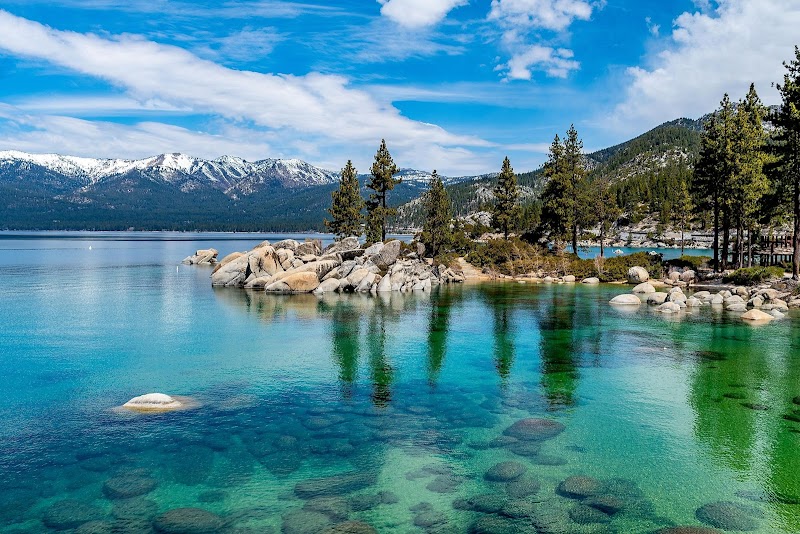
Lake Tahoe, with its crystal-clear waters and majestic surrounds, offers a playground of adventure that demands respect and awareness. As you set foot on its trails, you enter a landscape fiercely itself—where towering pines sway with purpose and mountain streams dare you forward. Yet, amid its beauty lie restricted zones designated to protect fragile habitats and maintain the lake’s pristine condition. Successfully navigating these areas requires more than enthusiasm; it calls for preparation and understanding.
Begin your hike at the Tahoe Rim Trail sections around Emerald Bay, where the forested path climbs gently, rising approximately 1,000 feet over 4 miles. The terrain varies from soft needles underfoot to occasional rocky patches, inviting steady, confident steps. The air cools as you ascend, carrying hints of pine and fresh earth. Push forward toward Eagle Point—beyond marked boundaries, signage and subtle fencing keep you on the right track, signaling sensitive zones where foot traffic is limited to preserve fragile wildflower meadows and nesting areas for local raptors.
Practical preparation is key. Hydration is not optional; carry at least two liters of water, as streams are rare and currents swift enough to deter casual refills. Sturdy footwear, with good ankle support and grip, handles loose soil and unexpected slick spots when rain has dampened the woods. Start early: morning hikes capture sunlit views of the lake that stretch like liquid glass below, while avoiding midday heat and afternoon thunderstorms common in summer. A map or GPS with Tahoe’s restricted areas marked ensures you don’t inadvertently cross forbidden boundaries.
Balancing adventure with responsibility means embracing the rhythm of the terrain. Let the rustle of the wind-pressing pines guide your pace, and the occasional call of a chickadee remind you this wild place holds its own rules. Be present but prepared—respect signs, stay on official trails, and store out every trace you bring in.
From the vista points overlooking the sapphire expanse to pockets of wildflowers brushing trail edges, the hike invites you to engage deeply with both challenge and beauty. Navigating Lake Tahoe safely is a partnership: you honor the land’s limits, and the land rewards you with unforgettable sights and a rugged peace that’s earned, not inherited.
Nearby Trips
All Adventures
Boat Charters
Water Activities
Adventures near South Lake Tahoe
Discover the unique and memorable adventures that make South Lake Tahoe special.
Frequently Asked Questions
What areas in Lake Tahoe are restricted and why?
Restricted areas protect sensitive ecosystems like nesting sites for endangered birds and fragile wildflower meadows. These zones minimize human impact and preserve natural processes essential for the lake’s health.
Are permits required to hike in restricted zones?
Permits are generally not needed for most Lake Tahoe trails but some conservation areas may have restrictions or require special access in certain seasons. Always check local regulations before your trip.
What wildlife might I encounter on these hikes?
Hikers can spot black bears, mule deer, bald eagles, and smaller mammals like chipmunks. Early mornings or late afternoons are prime times for wildlife sightings.
Are there any lesser-known viewpoints worth visiting?
Yes, Eagle Rock Road offers a quiet overlook less frequented by tourists, providing sweeping views of Fallen Leaf Lake and the southern basin of Lake Tahoe.
How can I minimize my environmental impact during the hike?
Stick to established trails, pack out all trash, avoid disturbing wildlife, and respect all signage marking restricted or sensitive zones to help preserve the environment.
Is the trail suitable for families with children?
Certain sections, such as around Emerald Bay, are family-friendly with gentle elevation. However, some areas are steep or require careful footing, so assess your group’s ability beforehand.
Recommended Gear
Hydration Pack or Water Bottles
Ensures adequate water supply during dry, strenuous hikes.
Sturdy Hiking Boots
Provides support and traction on rocky and uneven trails.
Layered Clothing
Allows temperature regulation and protection from sun and wind.
Map or GPS Device
Helps avoid restricted zones and stay on designated trails.
Local Insights
Hidden Gems
- "The lesser-visited Eagle Rock overlook"
- "Quiet bays along the southern shoreline with excellent birdwatching"
- "The hidden waterfall near Cascade Lake"
Wildlife
- "Black bears that roam forested sections mostly in spring and summer"
- "Migrating bald eagles during winter months"
- "Mountain lions are present but tend to avoid well-traveled trails"
History
"Lake Tahoe’s trails trace routes once used by Washoe Native Americans and later prospectors, preserving stories shaped by human and natural history."