The Kenai and Kasilof Rivers offer world-class fishing in Alaska’s wild frontier, but their fierce currents are matched by complex regulations designed to protect thriving salmon runs. Learn how to navigate permits, restricted zones, and seasonal rules to make your fishing adventure both thrilling and lawful.
Secure All Relevant Permits
Purchase a valid Alaska sport fishing license and check for river-specific permits before you cast your line. Missing the correct permit can result in hefty fines and cut your trip short.
Review Current Regulations Daily
Fishing rules on Kenai and Kasilof can change due to real-time fish counts and emergency orders. The Alaska Department of Fish and Game website is the best source for up-to-date info.
Wear Proper Footwear
Slippery river rocks and sudden depth changes demand sturdy boots with good grip, preferably waterproof. This protects you and keeps you stable in the fast-flowing currents.
Respect No-Fishing Zones and Private Property
Be aware of designated areas that restrict fishing and avoid trespassing on private land. Clerk with locals or ranger offices to confirm public access points for the best experience.
Mastering Alaska’s Kenai and Kasilof River Fishing Regulations
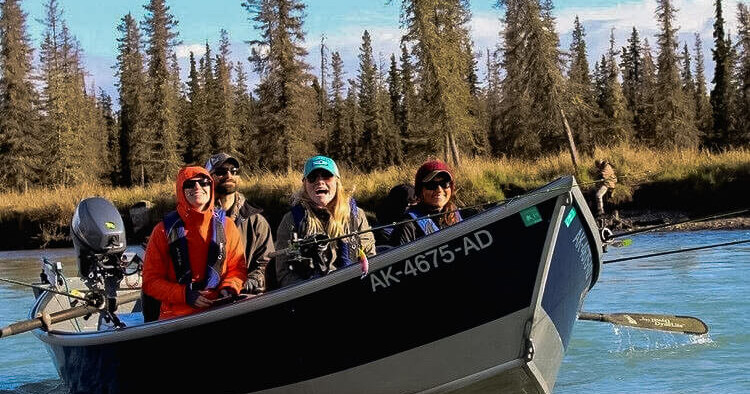
Full Day Guided Fishing Trip
$330 per person | 8 Hours | Group Trips Available | All Ages
Explore the waters of Cooper Landing on a private full-day fishing tour that offers avid anglers a chance to land Alaskan salmon and trout. Expert guides and breathtaking scenery make this trip a must-do adventure.
Alaska’s Kenai and Kasilof Rivers draw anglers from around the world, their waters swelling with robust salmon runs and the call of wild adventure. But these rivers are fiercely themselves—dynamic, demanding respect, and governed by strict fishing regulations that change seasonally to preserve their prolific ecosystems. Navigating these rules is as essential to your trip as choosing the right rod or wading boots.
The Kenai River, stretching 82 miles from Kenai Lake to Cook Inlet, and the Kasilof, shorter at 35 miles, pulse with salmon from mid-May through late July. Both rivers offer prime sport fishing but impose varied restrictions to sustain fish populations and ensure long-term access. Understanding these rules will keep you on the right side of the law and in sync with the rivers’ rhythms.
First, permits are mandatory. A general Alaska sport fishing license is required for all anglers, but specific permits or endorsements apply for certain species and river segments. For example, the Kenai River has designated sections with different catch limits and gear restrictions. These include fly-fishing-only areas or areas where bait use is prohibited. On the Kasilof, special regulations govern when and where you can retain king salmon, often limiting retention to specific dates.
Seasonal closures are another critical aspect. King salmon quotas drive many restrictions, with closures kicking in as soon as limited take is met, typically earlier on the Kasilof. Sockeye and silver salmon have their own timelines. Pay close attention to emergency orders that adjust regulations in real time based on fish counts, especially during peak runs.
Gear restrictions are strictly enforced. Barbless hooks, single-hook rigs, and restrictions on bait types—such as no use of salmon roe during certain periods—aim to minimize harm to fragile stocks. Familiarize yourself with these rules before you hit the water to avoid fines and protect the fishery.
Know where to fish: public access points along both rivers vary in availability and suitability depending on tide, flow rates, and fishing pressure. The Kenai offers popular spots like Skilak Lake and Sport Lake, while the Kasilof’s shorelines provide more dispersed access but can be challenging. Respect private property boundaries and review signage.
Preparation is key. Pack waterproof gear, stay hydrated, and arrive early in the day for quieter conditions. Watch the currents—they dare you into swift loops and sudden drops. Use sturdy, non-slip footwear as rocks grow slick underfoot. And remember, the rivers reward those who adapt and respect their pulse.
By combining excitement with discipline and preparation, fishing the Kenai and Kasilof Rivers becomes not only a test of skill but a meaningful conversation with Alaska’s wild heart.
Nearby Trips
All Adventures
Boat Charters
Water Activities
Adventures near Soldotna
Discover the unique and memorable adventures that make Soldotna special.
Frequently Asked Questions
Do I need separate permits for Kenai and Kasilof Rivers?
No, a statewide Alaska sport fishing license covers both rivers, but some river sections and species require additional endorsements or registration, especially for king salmon retention.
How do emergency regulations affect fishing?
Emergency orders adjust daily limits, closures, or gear use based on current fish runs and conservation status. Check the Alaska Department of Fish and Game website frequently to avoid violations.
Are there areas where only fly fishing is allowed?
Yes, parts of the Kenai River have fly-fishing-only zones to protect sensitive fish stocks. Know these boundaries and gear rules to plan your fishing spots properly.
What species are most commonly caught here?
Sockeye, king, coho (silver), and pink salmon dominate. Rainbow trout and Dolly Varden also appear, especially in quieter tributaries.
When do the king salmon runs open and close?
King salmon runs generally peak from mid-May to June but closing dates vary by river and quota fulfillment. Retention may be prohibited early if runs are low.
Can I fish from a boat on these rivers?
Yes, but boaters must abide by the same regulations including gear restrictions and regulated fishing areas. Consider river currents and hazards when planning your route.
Recommended Gear
Wading Boots with Felt or Rubber Soles
Provide traction on slippery river rocks and protect feet from cold water during long wading sessions.
Waterproof Waders
Keep you dry while standing in cold currents, essential for fishing comfortable and safely.
Barbless Hooks
Required in specific river sections to reduce fish injury and comply with regulations.
Bug Repellent
Protects you from mosquitoes and black flies that swarm riverbanks in peak season.
Local Insights
Hidden Gems
- "Skilak Lake for less crowded fishing and scenic mountain backdrop"
- "Barnes Lake Trail overlooks for wildlife viewing without the river's hustle"
Wildlife
- "Bald eagles exhibiting impressive fishing skills over deeper pools"
- "Beavers actively shaping river edges and creating quiet habitats"
History
"The Kenai region has a rich Indigenous heritage from the Dena'ina people, who have fished these rivers for thousands of years. Early 20th century commercial fishing shaped current conservation efforts."