
Mastering Wilderness Camping Etiquette in the Alpine Lakes Wilderness
The Alpine Lakes Wilderness offers a rugged escape defined by towering peaks and pristine waters. Learning proper wilderness camping etiquette here ensures your adventure leaves a minimal footprint while fully immersing you in this fiercely natural landscape.
Stay 200 Feet From Water
Camping at least 200 feet away from lakes and streams protects delicate shorelines and aquatic ecosystems from erosion and pollution.
Use Leave No Trace Principles
Carry out all trash, minimize campsite impact, and avoid disturbing wildlife to preserve the wilderness for future visitors.
Check Fire Restrictions
Fires are often prohibited to protect alpine soils. Use a lightweight stove instead and respect all local regulations.
Start Early, Avoid Afternoon Storms
Afternoon thunderstorms are common; begin hikes early to reach campsites and key points before the weather shifts.
Mastering Wilderness Camping Etiquette in the Alpine Lakes Wilderness

Alpine Lakes Wilderness Hiking and Fly Fishing
Hiking and Fly Fishing with Float Tubes!
Join Pacific Rover LLC in the Alpine Lakes Wilderness for a fishing and hiking adventure unlike any other. Glide across crystal-clear lakes and camp under the stars, all guided by experienced outdoor experts. Discover the quiet beauty of Washington’s mountain wilderness in an experience designed for both relaxation and connection.
The Alpine Lakes Wilderness challenges and invites those who seek refuge beneath its high peaks and sparkling waters. Stretching over 390,000 acres, this rugged expanse demands respect for both its fragile ecosystems and fellow adventurers. Here, wilderness camping is more than pitching a tent—it's an act of stewardship, a pact with the mountains and forests that endure as fiercely as the seasons.
The journey to prime campsites often involves trails ranging from 4 to 12 miles, with elevation gains commonly between 1,000 to 3,000 feet. Paths wind through dense stands of fir and cedar, where the forest floor whispers underfoot and distant ridges hold sharp silhouettes against open skies. Waterfalls dare you forward, while lakes reflect a sky that shifts from crystal clear to storm-gray with surprising speed.
To camp responsibly here, set up at least 200 feet from lakes and streams. This distance preserves the shoreline’s natural filters and curbs erosion. Use established campsites when possible; where none exist, distribute your impact broadly, avoiding sensitive meadows and rare wildflower patches. Pack out all waste, including biodegradable scraps—bears and other wildlife rely on natural food sources, not human leftovers.
Fires are often prohibited or restricted to minimal-impact locations to protect the fragile alpine environment and prevent unintentional wildfires. Equip yourself with a lightweight stove for cooking. Firewood gathering is discouraged, as dead wood decomposes slowly in this high-altitude climate, contributing to forest health.
Hydration is crucial—streams and lakes invite refreshment, but always treat water before drinking. Footwear should strike a balance between rugged support and nimble traction: waterproof hiking boots or sturdy trail shoes work best. Early summer through early fall offers the safest window, but afternoon thunderstorms urge an early start. Plan your day to avoid steep climbs while wet trails slicken with mountain rains.
Beyond respecting the landscape, embrace quiet camaraderie. Noise carries easily through still air—keep conversations and music at a considerate level. Wildlife encounters are frequent; observe from a distance and store food securely to maintain a clear boundary between human and wild.
Camping in Alpine Lakes Wilderness is both a challenge and a privilege. This terrain demands preparation and humility but rewards with views and moments that stay sharp long after the trail is behind you. When you leave no trace, you ensure that those who follow encounter a wilderness fiercely itself, ready to dare them next.
Nearby Trips
All Adventures
Boat Charters
Water Activities
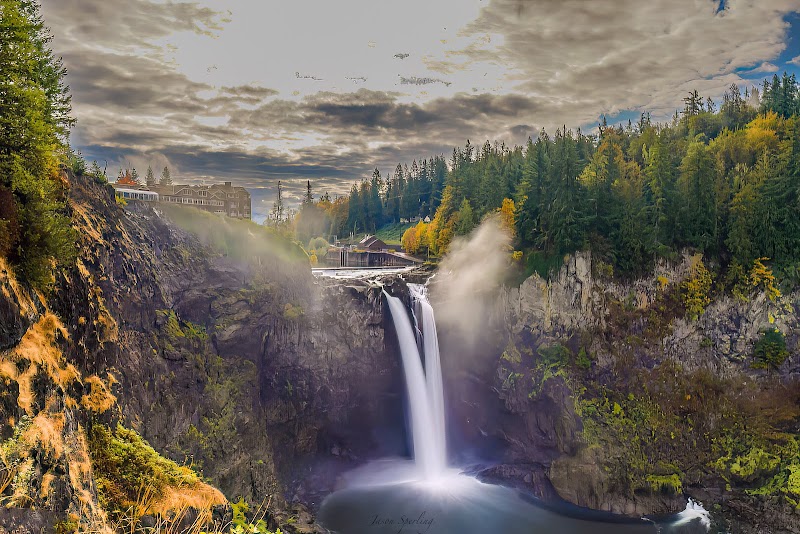
Adventures near Snoqualmie
Discover the unique and memorable adventures that make Snoqualmie special.
Frequently Asked Questions
What are the key regulations for camping in Alpine Lakes Wilderness?
Camping is allowed in designated and dispersed sites away from lakeshores and trails. Fires are restricted to reduce wildfire risk and soil damage. Visitors must carry out all waste and follow bear-safe food storage rules.
Are there any unique wildlife species to watch for?
Black bears, mountain goats, and Cascades frogs inhabit the area. Early morning and dusk provide the best chances for wildlife observation while maintaining a safe distance minimizes disturbances.
Can I bring my dog on the trails?
Dogs are allowed but must be kept on leash to protect wildlife and other visitors. Be aware of strong wildlife scents that might provoke reactions.
What is the best way to treat water in backcountry conditions?
Filtering with a pump or gravity system is effective, followed by chemical treatment if desired. Boiling water for at least one minute ensures all pathogens are killed.
Are there any lesser-known viewpoints or camping spots?
Consider Eagle Lake or the quieter shores of Lake Ann, accessed by less trafficked routes offering serene views with fewer campers.
How can I minimize my impact on sensitive alpine environments?
Limit group sizes, camp on durable surfaces like rock or sand, avoid trampling vegetation, and strictly adhere to 200-foot distance from water.
Recommended Gear
Lightweight Backpacking Stove
Necessary for cooking and boiling water where fire restrictions prohibit campfires.
Water Filter or Purification System
Stream and lake water must be treated before drinking to prevent illness.
Sturdy Waterproof Hiking Boots
Provide support on rocky and wet trails, essential for varying terrain and sudden weather changes.
Insulating Layer and Rain Jacket
Temperature fluctuates greatly; staying dry and warm reduces risk of hypothermia.
Local Insights
Hidden Gems
- "Eagle Lake's northwest shore offers peaceful campsites with far-reaching mountain views."
- "Lena Lake Trail reveals quiet pockets of forest rarely visited by larger groups."
Wildlife
- "Black bears"
- "Mountain goats"
- "Marmots"
- "Cascades frogs"
History
"The Alpine Lakes area was shaped by glacial movement and long-standing Native American trails, with logging and mining impacts still visible at lower elevations."