
Choosing The Perfect Fly Fishing Gear For Alpine Lakes Wilderness Adventures
Alpine Lakes Wilderness offers a rugged, high-altitude fishing experience for anglers ready to meet nature head-on. This guide equips you with the essential gear choices and practical tips to navigate its demanding trails and crystal-clear lakes for a rewarding fly fishing adventure.
Prepare for Variable Weather
Mountain conditions can shift rapidly. Pack waterproof layers and check forecasts before your trip to stay dry and comfortable.
Use Lightweight, Durable Gear
Gear needs to be manageable on longer hikes yet sturdy enough for alpine conditions—choose compact rod and reels with sealed drag systems.
Hydrate and Filter Water
Bring a reliable water filtration method; natural sources are abundant but often require purification for safe hydration.
Respect Catch and Release Practices
Handle fish with wet hands, use rubber nets, and release quickly to preserve native trout populations thriving in this wilderness.
Choosing The Perfect Fly Fishing Gear For Alpine Lakes Wilderness Adventures

Alpine Lakes Wilderness Hiking and Fly Fishing
Hiking and Fly Fishing with Float Tubes!
Join Pacific Rover LLC in the Alpine Lakes Wilderness for a fishing and hiking adventure unlike any other. Glide across crystal-clear lakes and camp under the stars, all guided by experienced outdoor experts. Discover the quiet beauty of Washington’s mountain wilderness in an experience designed for both relaxation and connection.
Alpine Lakes Wilderness invites anglers and hikers alike into an environment fiercely alive—where crystalline waters lure trout beneath towering pines and rugged granite cliffs dare your every cast. Successfully fishing here means matching your gear to the wilderness’s demands: high altitude, variable weather, and remote waters that require both tactical precision and rugged reliability.
Begin with your rod. A 9-foot, 5-weight fly rod is a versatile choice, balancing distance and delicacy needed for alpine trout. The lakes and streams often favor lighter lines, so pair your rod with a floating line to navigate the shifting currents that push forward beneath your fly. Reels with sealed drag systems stand up best against sudden mountain rains and persistent moisture.
Line types matter—intermediate sink tips can prove invaluable when fishing deeper pools, while a dry fly setup rewards patient presentation where insect hatches animate the lake’s surface. Leaders should be tapered, between 9 and 12 feet, to take advantage of the clear alpine water. Fluorocarbon tippet material, around 4X or 5X, helps avoid spooking wary trout.
Packing is a delicate balance; lightweight but comprehensive. Include nippers to cut your line, forceps to safely release fish, and floatant to keep dry flies buoyant against the whispering currents that tease you. A quality net, preferably with rubber mesh, prevents harm to fish and ensures efficient catch-and-release.
Don’t overlook personal comfort. Weather on the trail and at the water’s edge can flip without warning. Layering with moisture-wicking base layers, insulating midlayers, and waterproof shells prepares you for chill or sudden storm. Boots with solid ankle support and waterproof qualities keep footing sure on slippery granite and soft forest soil. Hydration is key: bring water filtration or purification options alongside a sturdy reservoir or bottles.
Planning the timing optimizes both the hike and the fishing. Early summer floods subside by July, exposing clear pools and insect life, while late summer often delivers hatches of caddis and stoneflies. Late afternoon light paints the wilderness golden, giving both soft visuals and active fish.
Know the terrain – expect 4 to 7 miles hikes with elevation gains ranging from 1000 to 2500 feet depending on your destination. The trail challenges your stamina and rewards with forested paths steeped in pine scent, rocky clearings where mountain breezes dance, and wide views that stretch across glassy lakes pinned with trout darting beneath ledges.
Alpine Lakes Wilderness demands respect and preparation. The landscape is fiercely itself, pushing you to meet each bend in the trail and ripple in the current with focused energy. Choosing the right fly fishing gear here empowers you not only to catch fish but to engage meaningfully with a wild, shaping force that depends on your care and skill.
Nearby Trips
All Adventures
Boat Charters
Water Activities
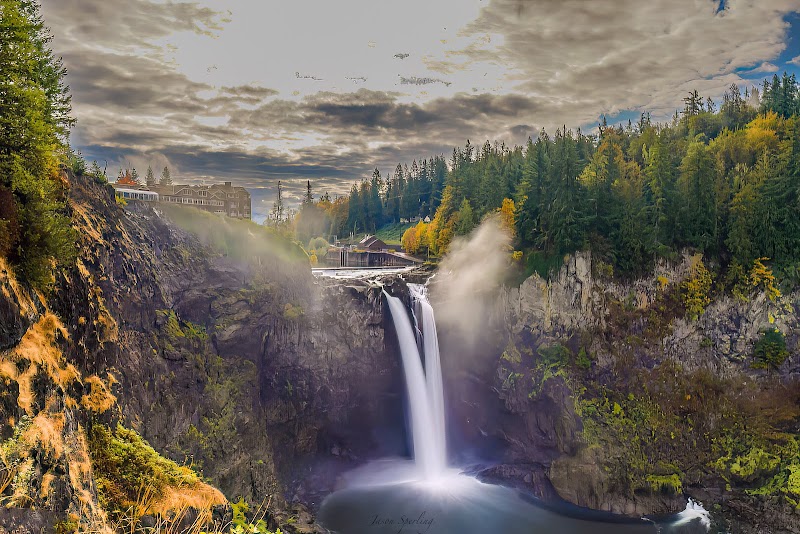
Adventures near Snoqualmie
Discover the unique and memorable adventures that make Snoqualmie special.
Frequently Asked Questions
What is the best time of day to fish in Alpine Lakes Wilderness?
Early morning and late afternoon offer cooler temperatures and active insect hatches, making trout more likely to bite. Midday can be less productive but perfect for hiking between spots.
Are there specific permits required for fly fishing here?
Washington State fishing licenses are required for anyone fishing in Alpine Lakes Wilderness. Additionally, check for any seasonal restrictions or catch limits on specific lakes.
What kind of fish can I expect to catch?
The region is home to native and stocked cutthroat trout, rainbow trout, and bull trout. Fish tend to be cautious and selective, rewarding stealth and precision.
How challenging are the trails to reach the fishing spots?
Trails vary but commonly range from moderate hikes of 4 to 7 miles with elevation gains around 1000 to 2500 feet. Expect uneven terrain and some steep sections.
Is catch and release enforced in this wilderness?
Many lakes encourage catch and release to protect fish populations. Using barbless hooks and minimizing handling supports conservation efforts.
Can I camp near the fishing lakes?
Backcountry camping is allowed but restricted to designated areas to preserve natural conditions. Always follow Leave No Trace principles.
Recommended Gear
9-foot, 5-weight Fly Rod
A versatile rod that balances distance and delicate casting ideal for the varied waters of Alpine Lakes.
Floating Fly Line
Best for most summer conditions where dry flies match hatches and speedy presentation is critical.
Waterproof Layered Clothing
Protects against sudden rain and wind common in alpine environments, keeping you dry and comfortable.
Water Filtration System
Enables hydration safety by filtering natural water sources found along the trails and lakes.
Local Insights
Hidden Gems
- "Thunder Creek Overlook—offers an exceptional panorama seldom visited."
- "The silent pools near Snow Lake’s north shore where trout gather at dawn."
Wildlife
- "Mountain goats often traverse steep granite walls near Upper Snow Lake."
- "Mink and river otters patrol shorelines during early mornings."
History
"The Alpine Lakes Wilderness was designated in 1976 to protect the fragile mountain ecosystems and preserve the traditional recreational uses by anglers, hikers, and climbers."