
Discover how to time your Skagway mountain tour for the clearest, most stunning views. This guide offers practical tips on when to hit the trail, what to expect from the terrain, and how to engage with the wilderness with confidence.
Start Early for Clear Views
Begin hiking between 7 a.m. and 8 a.m. to catch morning light before haze and afternoon clouds roll in.
Wear Sturdy Footwear
The trail shifts from forest paths to rocky slopes; boots with solid ankle support protect against slips and twists.
Bring Water and Snacks
Hydrate and keep energy levels stable—streams may look tempting but are unsafe without proper treatment.
Use Trekking Poles on Descent
Steady your balance on loose gravel and uneven ground by employing poles, especially later in the day as shadows deepen.
Timing Tactics for Optimal Views on Skagway’s Mountain Tour

Skagway City and Mountain Summit Tour
Explore the history and beauty of Skagway!
Discover the history and sweeping mountain vistas of Skagway on this engaging tour that combines local storytelling with breathtaking alpine scenery. Perfect for a quick yet rewarding Alaskan adventure.
Skagway’s mountain tour offers a rugged introduction to Alaska’s fierce wilderness, where peaks push skyward and forests edge every trail. The key to unlocking the most breathtaking views lies in your timing—both on and off the trail.
This adventure covers roughly 5 to 7 miles depending on your route, with elevation gains between 1,000 and 1,500 feet, winding through forested slopes and rocky outcrops. The terrain challenges your footing on uneven ground and occasional loose gravel, demanding solid hiking shoes and steady pacing.
Starting early is your clearest path to solitude and sweeping panoramas. Morning light often casts a crisp clarity over the mountains, catching the sharp edges of glacier-fed rivers daring you forward. Midday skies can turn hazy, muting distant views, so aim to begin by 7 or 8 a.m. to catch the fresh air and the sun low enough to highlight ridgelines and valley depths.
Weather in the region is famously unpredictable, with mountain mists sweeping over trails and sunlight flickering through dense spruce and cedar. When clouds drift low, they lend the landscape an eerie, animated mood—as though the forest breathes around you. Watching the shifting.light can be as rewarding as reaching the summit.
To maintain your momentum and alertness, pack water and high-energy snacks; hydration is crucial as the body works against both elevation and rugged terrain. Breaks are best timed at flat outlooks or beside rushing streams pushing downhill—the roar serves as both a natural clock and refreshment.
The descent offers different light angles, warming colors in late afternoon but increasing shadows that can mask uneven ground. Keep your steps deliberate here, using trekking poles if you have them.
Overall, plan 3 to 5 hours for the hike, leaving flexibility to pause, photograph, and absorb the mountain’s fierce character. Optimal timing entwines early starts with a mindful pace to balance effort and experience: a dialogue between you and the formidable Alaskan wilderness.
With preparation and respect, this mountain tour offers not just views, but a chance to move through a landscape fiercely itself—waiting for those who time their approach wisely.
Nearby Trips
All Adventures
Boat Charters
Water Activities
Adventures near Skagway
Discover the unique and memorable adventures that make Skagway special.
Frequently Asked Questions
What is the best time of day for views on the mountain tour?
Early morning is ideal, between 7 and 9 a.m., when lighting accents the landscape's contours and reduces haze, maximizing visibility of distant peaks and valleys.
Are mountain streams safe to drink from during the hike?
No, natural streams harbor bacteria and sediments. Always treat water with filters or purification tablets, or carry adequate water supply.
Can I expect cell phone coverage on the trail?
Coverage is spotty to nonexistent due to thick forest and mountainous geography, so plan accordingly with offline maps and emergency preparedness.
Are there any lesser-known viewpoints along the route?
Yes, a hidden overlook about halfway offers panoramic views of the Taiya River valley and nearby glaciers, less visited but worth the detour.
What wildlife might I encounter on the mountain tour?
Pay attention to black bears rummaging for berries, marmots sunning on rocks, and bald eagles circling thermals. Respect distance and avoid startling any animals.
How do I prepare for variable weather conditions?
Layer your clothing, carry rain protection, and check updated forecasts. The mountain’s weather changes rapidly, so be ready to adjust plans as needed.
Recommended Gear
Waterproof Hiking Boots
Provides traction and ankle support over mixed rocky and forested terrain.
Trekking Poles
Improves balance descending uneven sections and helps conserve energy uphill.
Hydration Pack or Water Bottles
Staying hydrated is critical; carry sufficient water for the entire hike.
Windproof Jacket
Shield against unpredictable mountain winds and sudden weather changes.
Local Insights
Hidden Gems
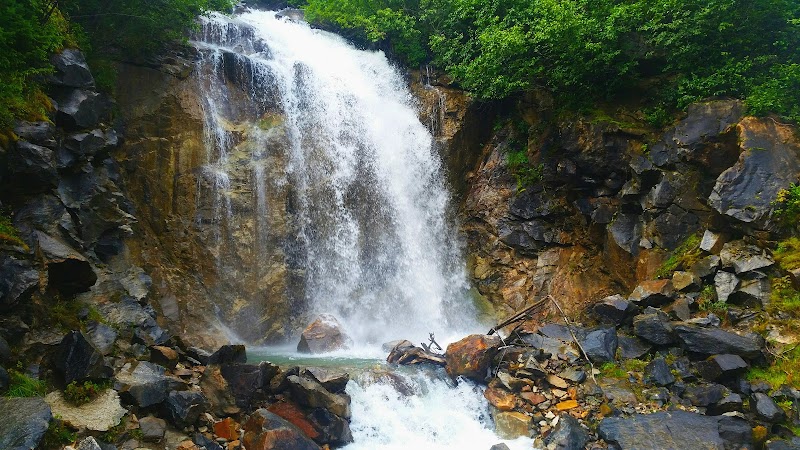
- "A quiet side trail leads to a secluded waterfall rarely crowded during tourist season."
- "Look for the ancient Sitka spruce groves along the lower slopes, some trees over 300 years old."
Wildlife
- "Black bears and mountain goats are common but elusive residents."
- "Bird species include bald eagles and ravens, often seen soaring overhead."
History
"The mountain area contains traces of the Klondike Gold Rush trails; old miner cabins and relics hint at the intense human history alongside wild nature."