
The Big Horn Mountains offer riders a thrilling mix of rugged trails and dramatic views that demand preparation as much as enthusiasm. From trail details to gear advice, this guide equips adventurers to embrace the challenge safely and comfortably.
Match Trail Difficulty to Your Skill
Before setting out, research trail lengths and elevation gains carefully to avoid overextending yourself or your mount. Start with moderate routes like the Medicine Wheel loop before tackling steep or technical trails.
Prioritize Hydration With Treated Water
Carry a water filter or purification tablets — Big Horn streams run cold and deceptively fast, but untreated water can carry pathogens that lead to illness.
Check Weather Forecasts Early and Often
Afternoon storms develop rapidly in the Big Horns during warmer months. Plan rides to avoid being caught above treeline once clouds gather.
Wear Appropriate Footwear and Protective Gear
Sturdy boots with good ankle support prevent injury on rocky or uneven terrain. Riders on horseback should ensure tack is secure and fits well to avoid discomfort.
Rider Safety and Comfort in the Big Horn Mountains: Practical Tips for an Unforgettable Adventure

SXS Seven Day Rental
7 days • Ages 21+ to rent • Ages 18+ to drive
Discover the thrill of Wyoming's landscapes with a private SXS seven-day rental at Bear Lodge Resort in Dayton. Perfect for off-road explorers and adventure seekers alike, this experience lets you craft your own mountain adventure in natural splendor.
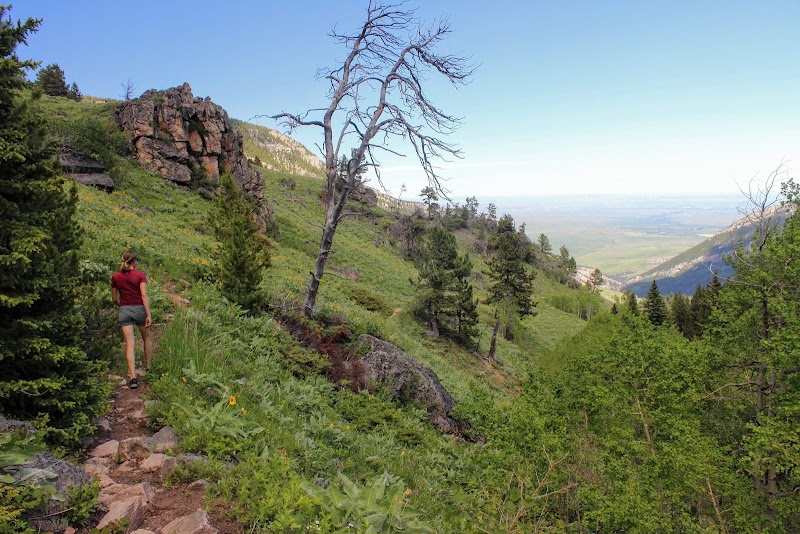
The Big Horn Mountains rise with an unapologetic edge, where rugged trails wind through dense pine forests and ascend sharply toward alpine meadows. For riders—whether on horseback or mountain bike—the terrain demands respect and preparation. This isn’t a casual ride, but an engaging dialogue between traveler and wilderness, where every turn brings sweeping views that dare you to press on and every creek crossing nudges caution to the forefront.
Understanding the Trails: Most popular riding routes stretch between 10 to 18 miles, with elevation gains from 1,500 to over 3,000 feet. Expect diverse footing: rocky sections test balance, soft grassy patches invite brief rests, and narrow singletracks thread through tall lodgepole pines whispering overhead. Choose routes aligned with your skill level; for instance, the Medicine Wheel National Historic Landmark loop offers moderate elevation with expansive vistas, while the Cloud Peak Wilderness trails challenge even seasoned riders with steeper climbs and variable footing.
Gear and Preparation: Comfort begins with appropriate footwear—sturdy hiking boots for riders on foot and well-fitted tack if on horseback. Hydration is critical; the air thins quickly as you climb, and streams often run cold and fast, daring you to drink carefully after ensuring water purity with a filter or purification tablets. Timing your ride early in the day avoids afternoon thunderstorms, common in summer, that can surprise with sudden gusts and wet trails.
Navigating Nature’s Challenges: The Big Horns are fiercely themselves, shifting from sunny clearings to shaded, moss-covered rocks that can be slippery. Weather shifts quickly—mornings start crisp and clear, but clouds gather by noon, pushing wind and rain across exposed ridges. Pay attention to trail markers; wandering off risks encounters with dense thickets or uneven ground. On horseback, maintain steady pace to avoid spooking mounts on loose stones or narrow ledges.
Balancing Thrill and Safety: The mountains invite adventure but demand respect. Take breaks to feel the forest breathing around you—the sharp scent of pine, the chatter of distant jays—but always keep an eye on your footing and the conditions of your gear. A well-timed pause let your body recalibrate while the horizon stretches wide, a reminder that you’re part of the landscape, moving with its rhythms rather than racing ahead.
Whether you’re stalking deeper into the wilderness or savoring panoramic overlooks, prioritizing rider safety and comfort will sharpen your experience. Every mile is an exchange: the Big Horns offer challenge and beauty, and in return, ask for your readiness, attention, and respect.
Nearby Trips
All Adventures
Boat Charters
Water Activities
Adventures near Sheridan
Discover the unique and memorable adventures that make Sheridan special.
Frequently Asked Questions
Are horses readily available for rental in the Big Horn Mountains?
Yes, Sheridan and nearby communities offer several stables where riders can rent horses and join guided tours or self-directed trails. Advance booking, especially in summer, is recommended.
What wildlife should I be aware of during my ride?
Expect to see mule deer, elk, and a variety of birds like the Steller’s jay. Mountain lions and bears inhabit the area but tend to avoid humans; carry bear spray and stay aware of your surroundings.
Can I bring mountain bikes on all trails in the Big Horns?
Not all trails are bike-friendly. Designated multi-use trails accommodate bikes, but some wilderness sections restrict mechanized transport to protect fragile ecosystems.
What should I do if caught in an afternoon storm on the trail?
Seek lower elevation and forest cover immediately; avoid exposed ridgelines and isolated trees. If lightning is present, find a low spot away from metal and tall objects.
Are there any cultural or historic sites in the Big Horn Islands worth visiting?
Yes, the Medicine Wheel National Historic Landmark holds spiritual significance for local Indigenous tribes and is accessible by trail. Respect site guidelines and stay on marked paths.
How can I minimize my environmental impact while riding in the Big Horn Mountains?
Stick to established trails to limit erosion, pack out all waste, and avoid disturbing wildlife especially during sensitive breeding seasons.
Recommended Gear
Hydration System with Filter
Keeps you hydrated safely by treating water from streams and springs encountered on the trail.
Sturdy Hiking or Riding Boots
Provides support and traction on rocky, uneven paths common in the Big Horn terrain.
Layered Clothing
Helps manage temperature fluctuations from chilly mornings to warmer midday sun.
Weatherproof Jacket
Protects against sudden rain showers and wind on exposed ridges.
Local Insights
Hidden Gems
- "Cloud Peak peaks off-trail viewpoints accessible via short spur hikes"
- "Secluded glacial tarns providing quiet rest spots"
- "Old logging roads that blend history with nature"
- "Medicine Wheel area at sunrise for early solitude"
Wildlife
- "Elk and mule deer frequent the subalpine meadows"
- "Black bears roam forest edges but are typically elusive"
- "Raptors such as golden eagles often circle above ridges"
- "Mountain goats inhabit higher rocky slopes"
History
"The Big Horn Mountains have long significance to Crow and Arapaho peoples, with trails originally used for hunting and ceremony. The Medicine Wheel dates back centuries and remains a focal point of cultural respect and archaeological interest."