
Navigating Big Horn Mountain weather is a core skill for any off-road adventurer. Learn how elevation, terrain, and seasonal shifts create rapidly changing conditions—and how to prepare with practical strategies for hydration, gear, and timing to make your trip both thrilling and safe.
Start Early to Beat Weather Shifts
Launch your off-road trip before dawn to avoid afternoon winds and storms that build over the mountains.
Dress in Layered Clothing
Pack moisture-wicking base layers, insulating mid-layers, and a waterproof outer shell to adjust quickly as temperatures and conditions change.
Use Reliable Navigation Tools
Bring GPS and up-to-date maps, as weather can obscure landmarks and change trail conditions suddenly.
Carry Water and Filtration
Bring ample hydration plus a portable filtration system; mountain streams can swell unexpectedly, offering both a resource and a hazard.
Mastering Mountain Weather: Essential Planning for Big Horn Off-Road Adventures

SXS Six Day Rental
6 days • Ages 21+ to rent • Ages 18+ to Drive
Get ready for an unforgettable off-road adventure in Wyoming with a six-day private SXS rental. Explore rugged trails, enjoy scenic views, and create lasting memories in the wild landscapes around Dayton. Perfect for outdoor explorers seeking a customized experience.
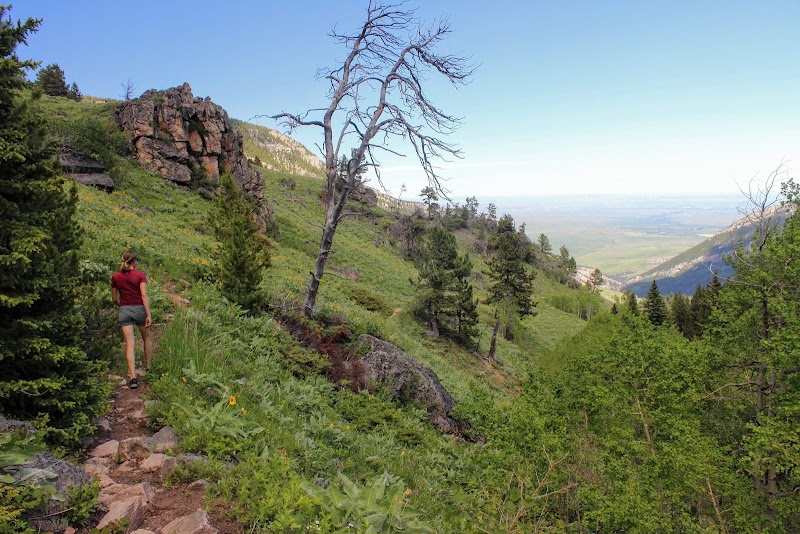
Big Horn Mountains offer an exhilarating off-road playground where rugged trails meet fierce, constantly shifting weather. Elevations climb between 7,000 and 10,000 feet, where the air thins and clouds gather with little warning. Here, one moment the sun bakes the dusty track, the next the wind slices sharply over rocky outcrops. Off-road trips in this terrain demand respect for the mountain’s temperament, preparing you not just for adventure but for weather that tests every choice you make on the trail.
Start by considering the elevation changes—many routes ascend 2,000 to 3,000 vertical feet over rough, uneven ground peppered with loose scree and tight switchbacks. Forested patches offer a brief refuge from sun and wind, but they also conceal sudden chills or bursts of rain that mountain air conjures up seemingly from nowhere. The terrain is as variable as the weather: dry, cracked soil gives way to muddy patches or icy slush depending on recent storms.
Hydration is critical. The thinner air pulls moisture from your body faster, and the effort of navigating rocky inclines and rutted roadbeds intensifies that. Carry a reliable water filtration system if possible, as streams sometimes swell suddenly, daring you to ford when you least expect it. Footwear should be rugged and waterproof, yet breathable—something that holds ground firmly but won’t trap moisture when rain or snow commandeer a section of trail.
Timing your trip carefully improves odds against erratic weather. Early morning starts catch cooler, calmer conditions, and afternoon clouds often bring winds or brief showers that push across ridges—seen and respected in advance, they provide breathing room rather than surprise. Layered clothing anchored by a sturdy windbreaker or waterproof shell is essential. The Big Horn’s climate moves fast—a light jacket becomes armor, and an extra fleece might be lifesaving.
Understand the seasons. Spring and early summer carry the risk of muddy roads and snow patches stubbornly clinging to shaded slopes. Late summer heats the valley floors, but the mountain currents can still deliver sudden squalls. Fall invites clearer skies and stunning foliage but also early frosts. Winter is for the well-prepared only, where deep snow can block paths and silence the usual roar of wildlife.
Off-road adventures here mean working with the mountain’s moods, not against them. Maps, GPS, and updated weather reports aren’t optional; they’re your trail companions. Respect the landscape’s whims and plan contingencies for sudden weather shifts. This combination of preparedness and engagement reveals the Big Horn’s wild heart while keeping you safe in its unpredictable embrace.
Nearby Trips
All Adventures
Boat Charters
Water Activities
Adventures near Sheridan
Discover the unique and memorable adventures that make Sheridan special.
Frequently Asked Questions
How quickly can weather change in the Big Horn Mountains?
Weather can shift within minutes, especially above 8,000 feet elevation. Clear skies may abruptly cloud over, bringing wind, rain, or even snow. Always be prepared for sudden changes.
Are off-road vehicles the only way to explore these trails?
While off-road vehicles navigate rugged terrain efficiently, many trails are also hikeable. However, vehicle trips require advance planning to handle weather and trail conditions safely.
What wildlife might I encounter on an off-road trip here?
Expect to see mule deer, elk, and occasionally bighorn sheep. Raptors like golden eagles often circle above, especially near escarpments.
Is cell service reliable in the Big Horn Mountains?
Coverage is spotty or nonexistent on many trails. Don’t rely on cell service for navigation or emergency contact—plan accordingly.
What should I know about environmental conservation when visiting?
Stay on designated paths to protect fragile alpine vegetation and avoid disturbing wildlife habitats. Pack out all trash and minimize noise to preserve the area’s wild character.
When is the best time to avoid snow on the trails?
Late June through September generally offers snow-free conditions at higher elevations, but early summer snow patches can linger in shaded spots.
Recommended Gear
Waterproof Hiking Boots
Protect your feet from wet, muddy, and uneven terrain, maintaining grip and dryness in variable conditions.
Layered Clothing System
Supports quick adjustments to temperature swings—vital when mountain weather shifts rapidly.
Portable Water Filter
Safe hydration is critical when relying on natural water sources that may suddenly swell or shift.
Reliable GPS Device
Tracks routes and alerts to weather changes in areas where signals and visibility fluctuate.
Local Insights
Hidden Gems
- "Little Bighorn Overlook – a secluded vantage point with sweeping valley views"
- "Secret alpine meadows appearing past the treeline"
- "Historic remnants of early mining camps spotted off main trails"
Wildlife
- "bighorn sheep"
- "elk herds"
- "golden eagles"
- "mountain bluebirds"
History
"The Big Horn Mountains hold stories from Native American tribes to early settlers and miners, with several sites marked by interpretive signs highlighting this layered past."