The Northern Big Horn Mountains offer rugged off-road trails that challenge both vehicle and adventurer. With high-altitude terrains and unpredictable weather, selecting the right gear ensures a safe, thrilling exploration through forested paths, rocky ridges, and wild creek crossings.
Pack a Complete Tire Repair Kit
Rough trails increase the chance of tire damage; a repair kit and portable air compressor are vital to avoid being stranded.
Hydrate Continuously
Thin mountain air and physical effort dehydrate quickly—carry at least 3 liters and use water filters cautiously.
Wear Durable, High-Ankle Footwear
Steep, rocky paths and creek crossings demand boots with good ankle support to reduce injury risk on unstable ground.
Start Early & Watch the Weather
Mornings offer cooler temperatures and better light; afternoon showers can appear suddenly, so pack waterproof gear.
Essential Gear for Off-Road Adventures in the Northern Big Horn Mountains

SXS Two Day Rental
2 days • Ages 21+ to rent • Ages 18+ to drive
Ready for an exhilarating off-road experience in Wyoming? Discover the freedom of exploring Dayton's rugged landscapes with a private SXS rental at Bear Lodge Resort. Perfect for adventure seekers craving personalized exploration day after day.
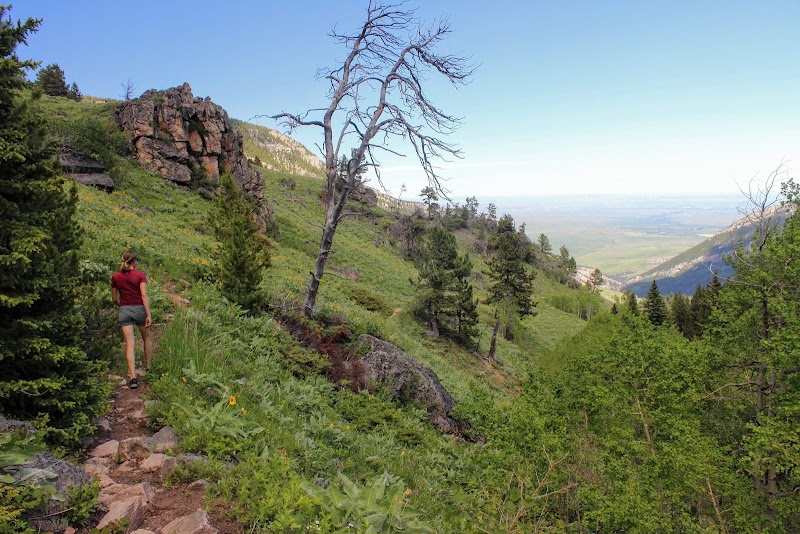
The Northern Big Horn Mountains refuse to be tamed—they challenge those who seek their rugged trails and unpredictable terrain. Preparing for an off-road adventure here means picking gear that’s as ready for the roll and jolt of uneven tracks as it is for sudden weather swings that the range throws your way. These mountains don’t just offer a path; they dare you to engage with their steep ridges, dry pine forests, and rocky creek crossings with respect and preparation.
Start with a reliable off-road capable vehicle or ATV suited for the dusty, stony landscape. Tires should be robust, with deep tread patterns to grip loose gravel and sudden mud patches following spring rains. A full-size spare tire, tire repair kit, and a portable air compressor aren’t luxuries but essentials. These mountains have spots where cell service fades and help drifts away with the wind.
Pack layered clothing—weather shifts abruptly from sun-drenched days to cool mountain evenings. Waterproof outerwear will face the sudden mountain squalls, while moisture-wicking layers are your best defense against sweat on climbing segments. Good hiking boots with solid ankle support and a stiff sole will guard you across rugged creek beds and steep sections covered in loose shale.
Hydration is non-negotiable. The air, thin and crisp, sharpens your thirst quickly. Carry multiple liters of water and consider a filtration system since natural streams challenge your resolve and invite you to test their freshness—though always verify local water quality and take caution. Nutrition matters too. Compact, high-energy snacks like nuts, dried fruits, and energy bars keep your stamina high without weighing down your pack.
Navigation tools are your unseen companions. While GPS devices bring clarity to the maze of trails, don’t ignore physical maps and a compass—technology can abruptly fail where mountains push signals into hiding. Inform someone of your route and expected return.
Timing your trips in morning hours avoids midday heat and maximizes daylight descending through thick forests and over open ridges. As the sun casts long shadows, expect cooler temperatures and changing wind patterns that make quick adjustments in gear necessary.
Finally, respect the mountains’ fiercely independent spirit. Off-road adventures here are an exchange—a conversation with earth and sky, rock and river. Your gear is your vocabulary, chosen carefully and practically to help you listen and respond effectively.
Nearby Trips
All Adventures
Boat Charters
Water Activities
Adventures near Sheridan
Discover the unique and memorable adventures that make Sheridan special.
Frequently Asked Questions
What vehicle modifications improve safety in the Big Horn off-road trails?
Upgraded suspension and additional skid plates help protect against uneven terrain. Installing recovery points and carrying tow straps enable safer extractions if stuck.
Are permits required for off-roading in this area?
Most trail sections are on public land managed by the Forest Service, which usually does not require permits, but local regulations can vary—always check current rules beforehand.
What wildlife should hikers and drivers watch for?
Watch for elk feeding near dawn and dusk, deer crossing trails unexpectedly, and mountain lions that are shy but present. Keep food secured and stay aware.
When is the best time to visit for fewer crowds?
Late spring and early fall tend to see fewer visitors, offering more solitude while still manageable conditions and access.
How to handle creek crossings safely?
Evaluate the depth and current before crossing. Use waterproof boots or quick-dry footwear and avoid crossing after heavy rains when water flow increases sharply.
Are satellite phones recommended for communication?
Yes, because cellular reception can be unreliable. Satellite communication devices provide a reliable emergency connection in remote mountain areas.
Recommended Gear
All-Terrain Tires
Crucial for traction on gravel, dirt, and mud; these tires reduce the risk of punctures on rocky paths.
Water Filtration System
Filters water from streams to stay hydrated safely when storage runs low or on longer rides.
Waterproof Layered Clothing
Protects against sudden rain and wind chills common in mountain microclimates.
Portable Air Compressor
Allows you to adjust tire pressure on the trail and reinflate after repairs.
Local Insights
Hidden Gems
- "Skunk Creek Overlook - offers panoramic, rarely visited views of the east slopes."
- "Lost Cabin Lake - a quiet spot tucked below the peaks for a reflective break."
Wildlife
- "Merriam’s turkey"
- "Rocky Mountain bighorn sheep"
- "Red fox"
History
"The Big Horn Mountains hold ties to indigenous Crow tribes who traversed these ridges long before roads existed. Early miners and ranchers shaped trails travelers now use."