Seward offers anglers and boaters epic thrills on its wild coastal waters, but each season changes the game in safety and strategy. Learn what to expect year-round and how to prepare for fishing and boating adventures that dance with Alaska’s unpredictable climate.
Check Weather Frequently
Seward’s coastal weather changes rapidly. Always monitor forecasts and be ready to adjust plans or seek shelter if conditions deteriorate.
Use Proper Safety Gear
Wear life jackets at all times and carry communication devices like marine radios or satellite phones to stay connected in emergencies.
Plan Around Tides and Currents
Understand local tides and currents to avoid being caught in strong flows that can challenge navigation or anchoring.
Dress in Layers with Waterproofing
Prepare for cold and wet conditions by wearing insulating layers under waterproof outerwear, preventing hypothermia even if you get splashed.
Navigating Seasons Safely: Fishing and Boating in Seward, Alaska

Seaside Camping Cabin
Starting at $99 per night for 2 guests | Sleeps up to 3 people!
Discover coastal serenity combined with adventurous spirit at Miller's Landing in Seward. Stay in a charming beachfront cabin and access kayaking, fishing, and boat rentals—all just steps from the Gulf of Alaska. Perfect for a memorable retreat in the wilderness. Miller's Landing offers a distinctive setting where comfort meets the raw beauty of Alaska’s coast, making it a prime choice for outdoor lovers wishing to immerse themselves in nature’s grandeur.
Seward, Alaska, stands as an adventurous gateway where the Pacific Ocean meets rugged wilderness, offering unparalleled fishing and boating experiences. Yet, this frontier demands respect—its waters and weather shape each season differently, carving distinct challenges and opportunities for those who navigate them. Preparing for these seasonal changes is not only about comfort—it’s about safety and making the most of every outing.
Spring in Seward wakes the landscape slowly. Melting snow fills streams, and the waters assert themselves with brisk currents daring you to match their pace. Temperatures hover between the mid-30s to low 50s (°F); rain is frequent, meaning waterproof gear and a steady eye on weather reports are vital. Ice can lurk around shaded coves, so plan boat launches carefully. Salmon start returning to spawn, which means high activity but also crowded fishing spots; early mornings offer the calmest, safest waters.
Summer transforms Seward into a playground beneath long daylight hours, often stretching past 18 hours. The seas calm but can shift abruptly with coastal gusts that test even seasoned boaters’ skills. Water temperatures remain chilling—mid-40s to 50s Fahrenheit—making life jackets and thermal layers essential. This is prime time for halibut and king salmon fishing, but be prepared for sudden fog banks, especially in the mornings, which grab at visibility like a thick blanket. Check tides and currents meticulously, as the Resurrection Bay tide rushes can push small boats unexpectedly.
Fall ushers in cooling winds and shorter days, with temperatures dropping from the 50s to the 30s. Weather can turn stormy quickly, and fog returns frequently. Boaters and fishers must prepare for swift weather shifts and rougher waters. The advantage is the thinning crowds and a chance to see marine life like humpback whales and sea otters engaging with the changing currents. Rigging for heavier rain and wind, and choosing sheltered bays for fishing or launching is smart strategy.
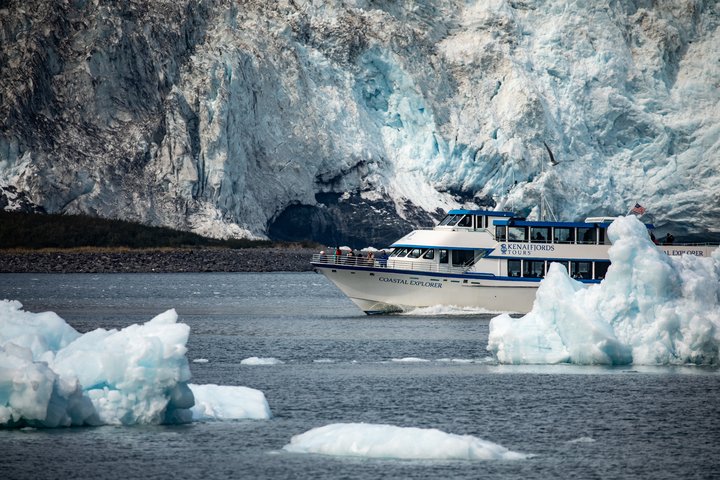
Winter in Seward is an exercise in vigilance. Water temperatures near freezing chill any exposure, while days shrink to as little as six hours. Ice can pack the bays or edges, making boating precarious. Only the most experienced, well-equipped adventurers should attempt outings, armed with cold-weather survival gear and float plans filed with locals. However, winter’s quiet opens unique vantage points for wildlife like bald eagles and seals close to shore, visible from carefully picked fishing spots on the edge of ice-free waters.
Across all seasons, Seward’s waters demand respect. Currents swirl with intention, weather calms only briefly before shifting, and the landscape outside the boat holds its wild gaze. A well-planned trip matches the season’s temperament with suitable attire, navigational tools, and contingency plans. This is the essence of adventuring practically in a fiercely beautiful environment, where preparation meets the thrill of the elements at every turn.
Nearby Trips
All Adventures
Boat Charters
Water Activities
Adventures near Seward
Discover the unique and memorable adventures that make Seward special.
Frequently Asked Questions
What are the main boating hazards in Seward throughout the year?
Strong tidal currents in Resurrection Bay, sudden weather shifts including fog and wind gusts, cold water temperatures, and seasonal ice presence near shorelines are key hazards to monitor year-round.
When is the best time to fish for king salmon in Seward?
King salmon fishing peaks in late spring through mid-summer, typically May through July. Early mornings provide calmer water and better conditions for landing these prized fish.
Are there areas in Seward's waters I should avoid due to strong currents or underwater obstacles?
Yes, some narrow channels and tidal flats in Resurrection Bay create dangerously strong currents during tidal shifts. Local guides recommend avoiding launching or anchoring in these spots without experience.
What kind of wildlife should I expect to see while boating or fishing in Seward?
Keep watch for humpback whales performing bubble-net feeding, playful sea otters along kelp beds, bald eagles scanning shoreline perches, and seals often sunning themselves on rocky outcrops.
Is it necessary to hire a guide or can I safely boat and fish solo in Seward?
While experienced boaters with solid local knowledge and safety preparation can venture solo, hiring a guide is highly recommended for newcomers to safely navigate seasonal challenges and find the best fishing grounds.
How do tides affect fishing in Seward’s bays and inlets?
Tides influence fish movements and water currents strongly. Fishing just before high tide or at slack tide can improve catch rates, while low tide may expose hazards and reduce navigability.
Recommended Gear
Life Jacket / Personal Flotation Device
A non-negotiable safety item that protects against cold water and accidental immersion.
Waterproof and Insulated Outerwear
Protects from rain, waves, and wind. Layering underneath adjusts for temperature changes.
Marine Weather Radio
Provides up-to-date weather and navigational warnings crucial for safe excursions.
Thermal Gloves and Footwear
Keeps extremities warm in cold water and air temperatures, reducing risk of frostbite or numbness.
Local Insights
Hidden Gems
- "Fortress of the Bear wildlife sanctuary – watch rescued bears along with marine views."
- "Tiny, less-trafficked coves along the Harding Icefield Trail’s entrance offer quiet water launches."
- "Lowe River estuary – a peaceful spot to observe migratory birds and juvenile fish."
Wildlife
- "Humpback whales"
- "Sea otters"
- "Bald eagles"
- "Harbor seals"
- "Salmon species"
History
"Seward’s roots as a fishing and shipping hub date to the early 1900s, with the expansion of Alaska’s railroad and commercial fisheries shaping much of the community’s character. The waterfront’s legacy is evident in historic docks and local fishing traditions persisting today."