Explore Alaska’s rugged coastlines where geological wonders meet rich marine and birdlife, perfect for photographers seeking raw natural beauty. This guide offers practical advice and vivid descriptions to help prepare for a rewarding and immersive adventure.
Pack Layers and Waterproofs
Alaska’s coastal weather can turn from sunny to rainy without warning. Carry waterproof jackets and moisture-wicking layers to stay dry and comfortable during your hikes.
Use Telephoto Lenses for Wildlife
Maintain distance to avoid disturbing marine mammals and birds. A telephoto lens allows detailed shots without intruding on their habitat.
Wear Traction-Enhanced Footwear
Trails include slippery rocks and muddy sections. Hiking boots with solid grip will help you stay steady on challenging terrain.
Start Early for Optimal Light
Morning hours offer calm seas and soft light, reducing glare and enhancing colors. Plan hikes to coincide with dawn for the best photographic opportunities.
Capturing Alaska’s Wild Canvas: Photographing Marine and Birdlife Among Rugged Geological Marvels
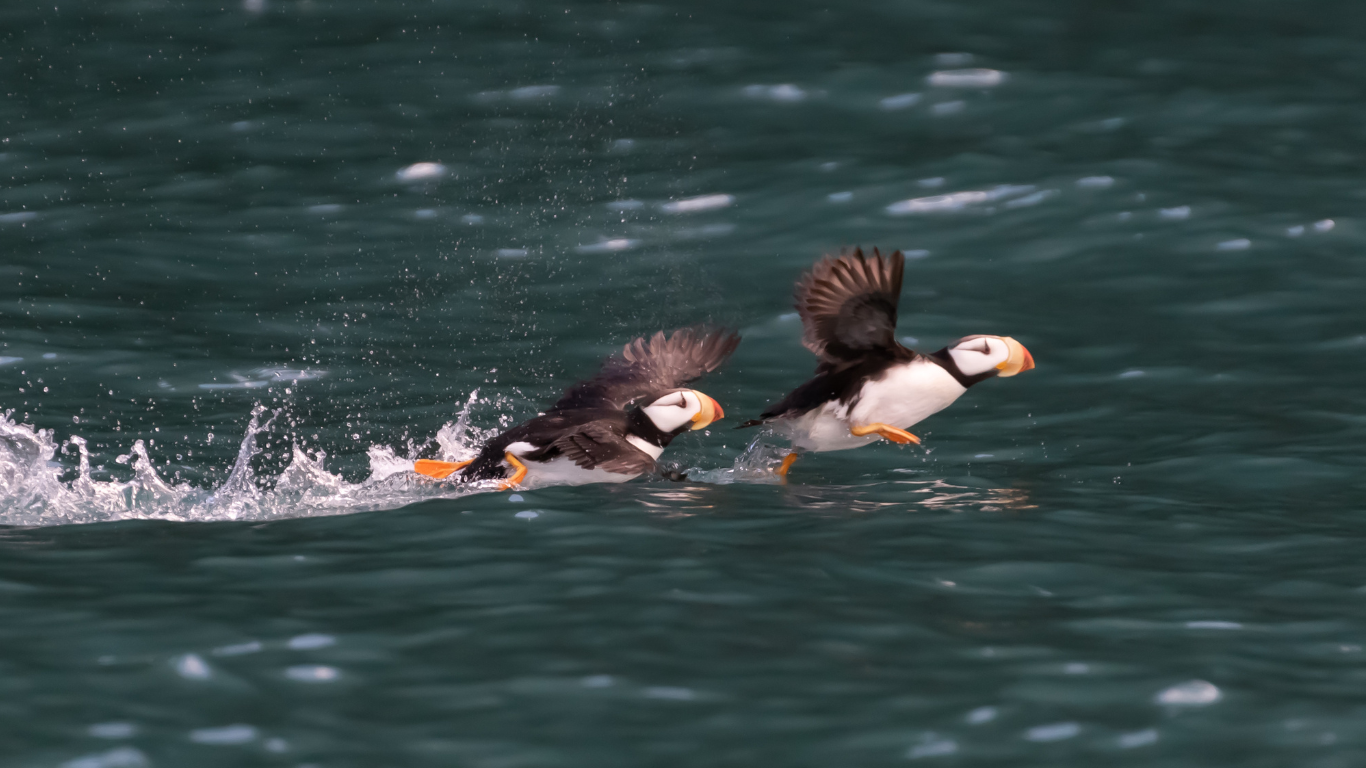
Discovering Kachemak Bay Tour
Ages 5+ • 6-7 Hours • Up to 6 people
Explore the stunning waters of Kachemak Bay on a private boat tour from Homer, Alaska. Discover breathtaking landscapes, local wildlife, and Alaskan history aboard this unforgettable adventure with Tutka Tours.
Alaska’s coastline invites photographers into a world where earth and ocean collide in raw, powerful ways. From jagged cliffs carved by glaciers to smooth sea stacks rising defiantly from cold waters, the landscape is as much a subject as the marine and birdlife that animate it. This is a place where tides dare you to keep pace, and seabirds wheel overhead, alert and fierce.
For those aiming their lenses here, preparation is key. Trails along sites like the Kenai Fjords and Prince William Sound range from gentle forest paths to rough gravel ledges. Expect hikes between 3 to 8 miles with elevation gains up to 1,200 feet, often across uneven terrain shaped by shifting geology. Forests of spruce and hemlock shade parts of the trek, while open bluff views reveal ocean swells where sea otters play and puffins bob on waves.
Timing your expedition is a balancing act. Early morning offers soft light and calmer waters, ideal for capturing reflections off tide pools and the intricate patterns of kelp forests beneath soaring bald eagles. Midday brings stronger sun, perfect for detailed shots of the glistening feathers of auklets or the barnacled surfaces of tide-worn rocks but demands managing glare. Dusk can carry a moody palette, where crashing waves and shadowy cliffs meet in dramatic contrast.
To photograph marine mammals like seals or orcas, patience and distance respect are essential. Use telephoto lenses to preserve natural behavior while keeping yourself and wildlife safe. Bird photography benefits from smaller apertures to maximize sharpness across fluttering wings and textured plumage, while a sturdy tripod will steady your frame against brisk coastal winds.
Hydration and footwear should not be afterthoughts. Bring layered waterproof gear—Alaska’s weather shifts suddenly. Traction-rich hiking boots will keep you grounded on slick rocks and muddy paths. Pack water, snacks, and backup batteries; remote sites offer no conveniences, and your camera may drain faster in cold.
With every step, the land feels fiercely itself—with glaciers groaning in the distance and sea currents pushing decisively toward shore. Listen for the cry of marbled murrelets in old-growth canopy or the splash of a sea lion slipping beneath breakers. Alaska’s coastal geological wonders aren’t just destinations but participants in a dynamic story told through your lens.
Such an adventure requires respect for nature’s power and an eagerness to adapt. Those prepared will find themselves rewarded with images that reveal the ongoing dialogue between land, sea, and sky in one of Earth’s most dramatic settings.
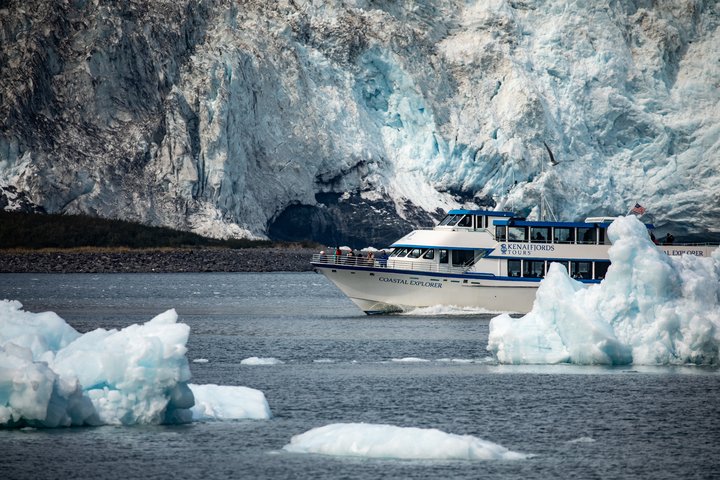
Nearby Trips
All Adventures
Boat Charters
Water Activities
Adventures near Seward
Discover the unique and memorable adventures that make Seward special.
Frequently Asked Questions
What are the best spots for marine mammal photography in Alaska’s coastal geological sites?
Kenai Fjords National Park and the waters near Resurrection Bay offer consistent sightings of seals, sea otters, and occasionally orcas. Look for rocky outcrops where animals haul out to rest, and monitor tides for optimal timing.
How difficult are the hiking trails near Alaska’s scenic geological formations?
Trail difficulty ranges from easy forest walks to moderate rocky paths with some elevation gain up to 1,200 feet. Most routes require solid footing and moderate fitness, but they are manageable for casual hikers prepared with proper footwear.
Are there local regulations for wildlife photography in these areas?
Yes. It is important to maintain a respectful distance from wildlife, especially marine mammals, to avoid disturbance. Use long lenses and observe posted guidelines, which often include specific buffers from animals on land and in water.
What wildlife can I expect to see while photographing Alaska’s coastal geology?
Expect to see bald eagles, puffins, marbled murrelets, sea otters, harbor seals, and occasionally whales. Bird activity peaks during spring and summer migrations, while marine mammals are most visible in summer and fall.
Are there any lesser-known viewpoints for photography along these trails?
Yes. Look for small promontories off main trails that reveal unobstructed views of tide pools and offshore stacks. These spots are often quieter and offer intimate encounters with shorebirds and intertidal ecosystems.
What environmental considerations should photographers keep in mind?
Minimize impact by staying on designated paths, avoiding trampling on vegetation, and never feeding or approaching wildlife. Carry out all trash, and be wary of disturbing nesting birds or sensitive marine habitats.
Recommended Gear
Waterproof Hiking Boots
Provides grip and foot protection on wet, rocky terrain along coastal trails.
Telephoto Lens (200mm+)
Allows photographing distant wildlife without disturbance.
Layered Waterproof Clothing
Adjustable layers keep you dry and comfortable amid unpredictable coastal weather.
Sturdy Tripod
Stabilizes your camera against coastal winds for sharp images, especially in low light.
Local Insights
Hidden Gems
- "Hidden Cove overlook near Seward offers panoramic views without the crowds."
- "Hidden tide pools at Lowell Point reveal colorful starfish and anemones at low tide."
Wildlife
- "Watch for tufted puffins on offshore sea stacks during summer."
- "Marbled murrelets nest in old-growth forests near coastal cliffs."
History
"Alaska’s coastal geological formations have long been sacred to indigenous peoples such as the Dena’ina, who relied on these lands and waters for sustenance and cultural practices. The shaped coastline also reflects glacial movements from the last Ice Age."