Kenai Fjords National Park offers breathtaking landscapes and dynamic wildlife, best experienced by aligning your visit with seasonal weather and animal behaviors. Discover how to time your trip for optimal hiking conditions and unique natural encounters.
Pack Layered, Waterproof Clothing
Weather changes swiftly here. Bring layers and durable waterproof gear to stay comfortable when rain or wind sweeps through.
Start Early for Wildlife Sightings
Wildlife is most active at dawn and dusk. Plan hikes and boat tours early to catch orcas, bears, and eagles in action.
Choose Stable Footwear with Good Grip
Trails include wet rocks and slick mud. Waterproof hiking boots with solid tread reduce risk of slips and injuries.
Stay Bear Aware and Carry Deterrents
During salmon runs, bears frequent the shores. Carry bear spray, make noise on trails, and respect wildlife distance rules.
Mastering the Perfect Timing for Your Kenai Fjords Adventure: Weather and Wildlife Insights

Private Charter
Chart your own Adventure | $5500 single day | All ages
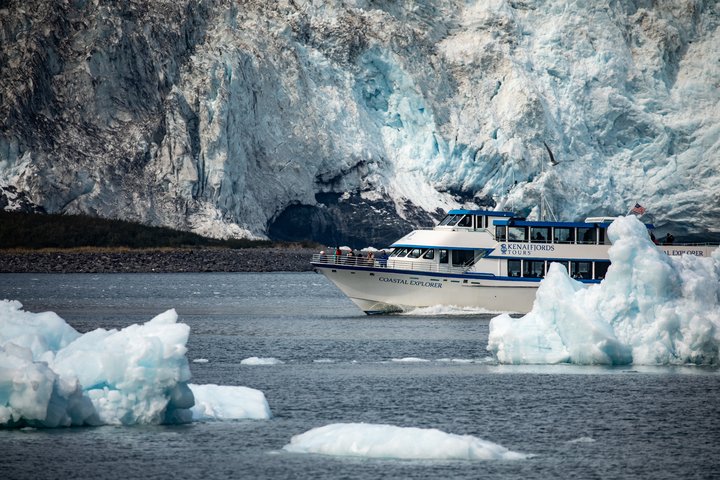
Discover the untouched beauty of Kenai Fjords on a private charter with Alaska Coastal Explorer. Customize your day for scenic vistas, wildlife viewing, or glacier gazing, all while enjoying expert guidance and gourmet meals in a truly exclusive setting.
Kenai Fjords National Park demands respect with its ever-changing moods. Planning your trip around weather and wildlife patterns enhances every step — whether you’re hiking the Exit Glacier trails or cruising past towering tidewater glaciers.
Weather here is a dialogue, not a backdrop. Summers bring long daylight hours and milder temperatures, but sudden rainstorms and gusts challenge even the seasoned traveler. Spring and fall offer quieter trails and crisp air but pack in unpredictable shifts, with early snow or lingering mud. Winter traps fjords in a frozen hush, ideal for experienced adventurers who brace for diminished daylight and frigid conditions.
Wildlife seesaws with the seasons, too. In late spring and summer, orcas slip through icy channels while humpback whales breach against glacier walls. Bald eagles patrol cliff edges, their cries piercing the salted air. Bears roam shores during the salmon runs in July and August, so timing is crucial not only to catch their spectacle but to stay safe.
Hiking routes vary from gently rolling forest floors to steep rocky ascents, exemplified by the 2.7-mile Exit Glacier Overlook trail with a 500-foot elevation gain. Footpaths skirt icy streams daring you to keep pace. The trees lean, shaped by persistent winds, their needles shimmering when caught in sudden sun bursts. Be prepared with sturdy waterproof boots, layered clothing, and enough water to stay energized; hiking here rewards those who respect the landscape’s pace.
Travelers should plan their trip between mid-June and early September to balance the best weather windows with wildlife visibility. Early season visitors might catch silent glaciers calving into the sea, while later travelers witness salmon-guarding bears along the rocky coasts. Shoulder months require resilience and readiness for rain and mud but offer solitude few other seasons can match.
In all, your Kenai Fjords experience is a negotiation between your timing and the park’s rhythms. The weather will push and pull, sometimes confining your plans, other times unveiling unexpected wonders. Wildlife moves with its own clock, rewarding the patient and observant.
Approach this adventure with practical gear, a flexible schedule, and an eagerness to listen to the land. There lies the real thrill — not just in what you conquer, but how you adapt to what is fiercely itself: Kenai Fjords.
Nearby Trips
All Adventures
Boat Charters
Water Activities
Adventures near Seward
Discover the unique and memorable adventures that make Seward special.
Frequently Asked Questions
When is the best time to see glaciers calving in Kenai Fjords?
The prime months are July through early September when ice melt peaks and water temperatures trigger glacier edges to shear off spectacular ice chunks.
How should I prepare for sudden weather changes during hikes?
Bring waterproof layers and check the local weather forecast daily. Stay flexible with your itinerary and be ready to shorten or delay hikes for safety.
Is it necessary to carry bear spray throughout Kenai Fjords?
Yes, especially in the summer months near salmon streams and forest edges where bears are most active. Make noise while hiking to avoid surprising wildlife.
Are guided tours recommended for first-time visitors?
Guided tours provide expert navigation, wildlife spotting, and safety benefits, particularly for boat trips in the fjords and glacier hikes.
What wildlife can I expect if I visit in late spring?
Orcas begin returning to fjord waters, eagles nest along cliffs, and bears may start emerging from dens, though sightings can be less frequent than in summer.
How difficult are the hiking trails around Kenai Fjords?
Most trails are moderate, involving uneven terrain and elevation gains of 300-600 feet over a few miles. Proper footwear and stamina are recommended.
Recommended Gear
Waterproof Hiking Boots
Protect feet against mud, wet rocks, and cold streams while providing firm support on uneven terrain.
Layered Clothing System
Allows quick adaptation to rapid weather shifts, keeping you dry and insulated.
Bear Spray
Essential safety tool during salmon runs when encounters with bears are more frequent.
Hydration Pack or Water Bottles
Maintains hydration on long hikes where water sources are unreliable or contaminated.
Local Insights
Hidden Gems
- "Holgate Glacier viewpoint, less visited early morning"
- "Aialik Glacier trail, offering a mix of forest and fjord views"
- "Bear Creek Salmon Viewing Platform, discreet and active during spawning season"
Wildlife
- "Orca whales"
- "Humpback whales"
- "Bald eagles"
- "Black and brown bears"
- "Mountain goats"
History
"The park protects lands that have been home to the indigenous Alutiiq people for thousands of years, with a rich fishing and subsistence tradition tied to the sea and forest."