
Navigating Seasonal Currents: Weather-Wise Canoeing in Jocassee Gorges, SC
Experience the raw edge of Jocassee Gorges’ waterways while mastering seasonal weather shifts on your canoe trip. From spring’s rushing currents to winter’s icy quiet, this guide equips paddlers to engage safely and enjoyably with one of South Carolina’s most thrilling natural playgrounds.
Monitor River Levels Closely
Jocassee’s river currents shift quickly with rainfall and snowmelt, affecting both safety and paddling difficulty. Check local river gauges or park updates before launching.
Dress in Layered, Moisture-Wicking Clothing
Seasonal temperature swings and spray from rapids require versatile clothing choices. Layering helps regulate temperature and keeps you dry and comfortable throughout the day.
Start Early to Avoid Heat and Insects
Especially during summer, mornings offer cooler temperatures and fewer bugs, which makes paddling more pleasant and less taxing.
Carry Safety Gear and Know Your Limits
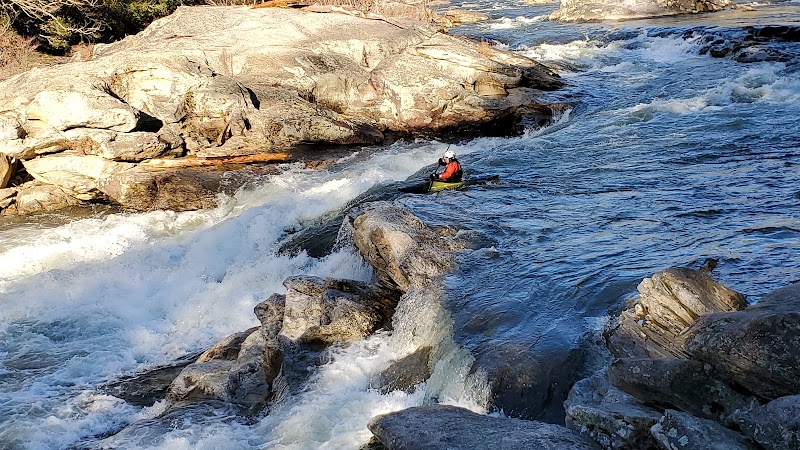
A helmet, life jacket, and possibly a throw rope are necessary when facing swift currents or rocky terrain. Know your skills and stay within them, particularly in spring or after heavy rains.
Navigating Seasonal Currents: Weather-Wise Canoeing in Jocassee Gorges, SC

Canoe Rental
8 Hours • All Ages
Paddle the crystal-clear waters of Lake Jocassee and Lake Keowee with Canoe Rental, set in South Carolina’s stunning Jocassee Gorges. Perfect for families and solo adventurers alike.
Jocassee Gorges in South Carolina offers a canoeing experience where nature doesn’t simply wait; it challenges and invites, flows and shifts. This remote wilderness is defined by cascading waterfalls, rugged terrain, and a river system daring you to match its pace. Paddling here means reading the water’s mood across seasons, adjusting your plans to what nature serves up.
Spring awakens the gorges with surging flows. Meltwater and rain swell the rivers, pushing paddlers into swifter currents that demand attention and respect. Canoes cut through forest-framed paths where rhododendrons and mountain laurels guard the banks like sentinels. But heavier water can conceal submerged rocks, so wearing a helmet and having swift maneuvering skills is crucial. Expect unpredictable showers; waterproof gear and quick-drying clothing become your allies.
Summer offers calm waters but pairs this tranquility with rising temperatures. The river slows, humbly inviting longer, leisurely paddles that melt the midday heat under a canopy thickened by oak, hemlock, and pine. Yet, sun exposure intensifies, making hydration and sun protection essential. Early morning or late afternoon trips keep you ahead of the heat’s grip. Mosquitoes and black flies emerge like gatekeepers, so insect repellant isn't optional.
Fall paints the gorge with fiery reds and golds, transforming the water into a mirror of autumn’s drama. Cooler air sharpens your senses; chilly mornings wake the forest, and mist often drapes the river, revealing wildlife as it moves—deer slinking from the brush, great blue herons surveying silent pools. Water levels drop, exposing rocks and changing passage routes. Dry shoes with good grip and a reliable map are useful here to navigate occasional portages around shallow stretches.
Winter hushes the forest. The river slows to a deliberate crawl, ice fingertips appearing on the edges. Days are shorter, and cold can bite deep if you're unprepared. Weather can swing suddenly, so layered clothing and insulated gloves are necessary. This season’s beauty lies in solitude and stark landscape contrasts, but conditions require careful monitoring.
Planning your canoe trip means synchronizing your rhythm with the river’s seasonal personality. Knowing when to push with its current and when to glide through calm reflections turns an ordinary paddle into a conversation with the wild. Jocassee Gorges isn’t a backdrop — its waters are active partners that prompt you to listen, learn, and adapt with every stroke.
Nearby Trips
All Adventures
Boat Charters
Water Activities
Adventures near Seneca
Discover the unique and memorable adventures that make Seneca special.
Frequently Asked Questions
What is the best time of day to start canoeing in Jocassee Gorges?
Early mornings are ideal, especially in summer, offering cooler temperatures, calmer winds, fewer insects, and better light for spotting wildlife.
Are there any hidden spots worth paddling beyond the main river channel?
Yes, several side creeks and coves off the main river remain less traveled and provide quieter, more intimate wildlife viewing opportunities.
What wildlife should I be prepared to see on a canoe trip here?
Common sightings include white-tailed deer, great blue herons, various turtles, and in springtime, the elusive hellbender salamander in clearer pools.
How do weather changes impact the safety of canoeing seasonally?
Spring’s rapid water level shifts require vigilance; sudden storms can swell currents quickly. Summer heat demands hydration and sun protection, while fall and winter bring lower water and colder conditions needing appropriate gear.
Is camping allowed along the river during canoe trips?
Camping is permitted at designated sites, but check local regulations as some riverbanks are protected for conservation. Planning ahead ensures compliance and safety.
What are some environmental practices to follow while canoeing here?
Respect the wildlife, avoid disturbing nesting sites, pack out all trash, and use biodegradable products. Minimizing noise helps maintain the gorge’s natural quiet.
Recommended Gear
Personal Flotation Device (PFD)
Mandatory for safety on flowing water; ensures buoyancy in unpredictable currents.
Helmet
Protects against submerged rocks during high water and rapid paddling conditions.
Waterproof Dry Bags
Keep essentials dry during splashes or sudden rain showers.
Insect Repellent
Critical summer gear to repel mosquitoes and black flies that emerge along the river.
Local Insights
Hidden Gems
- "Stumphouse Tunnel overlook"
- "Secret side channels near Curtis Creek"
Wildlife
- "Hellbender salamander"
- "Eastern box turtle"
- "Great blue heron"
- "Belted kingfisher"
History
"The area was once significant for Cherokee tribes and later saw 19th-century mining and railroad efforts, visible in remnants like the Stumphouse Tunnel."