Sedona’s sunset tours deliver spectacular views framed by vibrant red-rock formations and rapidly shifting weather. Learn how to prepare for sudden temperature changes and unexpected winds to make your evening hike both safe and unforgettable.
Monitor Weather Closely Before & During Your Hike
Sedona’s weather can shift rapidly, especially near sunset. Check local forecasts and watch the sky for approaching clouds or winds on your walk.
Hydrate Extensively in the Dry Climate
Carry at least two liters of water per person. The desert air dries you out faster than expected, even if temperatures cool.
Wear Layered Clothing to Manage Rapid Temperature Drops
Start with moisture-wicking base layers and add a windbreaker or fleece to stay comfortable as the air cools with sunset.
Use Sturdy Footwear for Mixed Terrain
Sedona’s rocky trail surfaces require hiking boots or shoes with good traction to navigate slick sandstone and forest sections safely.
Mastering Weather Shifts: How to Adjust for Changing Conditions on a Sunset Tour in Sedona

Public Sunset Tour
2 hours
Discover the magic of Florida sunsets aboard Turtle Mound River Tours' boat excursion. Relax, enjoy stunning views, and spot local wildlife during this peaceful evening adventure along New Smyrna Beach.
A sunset tour in Sedona, Arizona, offers a compelling mix of rugged beauty and shifting atmospheres that demand respect and readiness. This hike spans approximately 4 miles round trip, ascending about 900 feet through a blend of red-rock terrain and shaded forest trails. As the sun dips behind buttes and spires, the sky flares with color, but the weather can swing quickly—from warm, dry desert breezes to surprisingly brisk chills as shadows deepen. Your path will follow rocky stretches where the surface can heat under the sun then cool abruptly in the evening, urging steady, well-paced steps and sturdy footwear.
Start late afternoon to give yourself enough daylight to reach the prime viewing points without rushing. Carry at least two liters of water; the dry air pushes moisture from your body more than you might expect. Weather in Sedona can change rapidly—clouds may roll in, or a cool wind can sneak down canyon walls, tugging at your layers. Pack a lightweight windbreaker and a warm mid-layer to adjust as temperatures tumble.
Pay attention to local forecasts but also stay alert to your surroundings. When clouds gather unexpectedly, it’s a sign the atmosphere is actively changing, nudging you to prepare for cooler, possibly wetter conditions. Avoid slick rock after rain, as red sandstone becomes treacherous when wet. Keep a flexible itinerary; sometimes, pausing to soak in the quiet interplay of light and air becomes as rewarding as reaching the viewpoint.
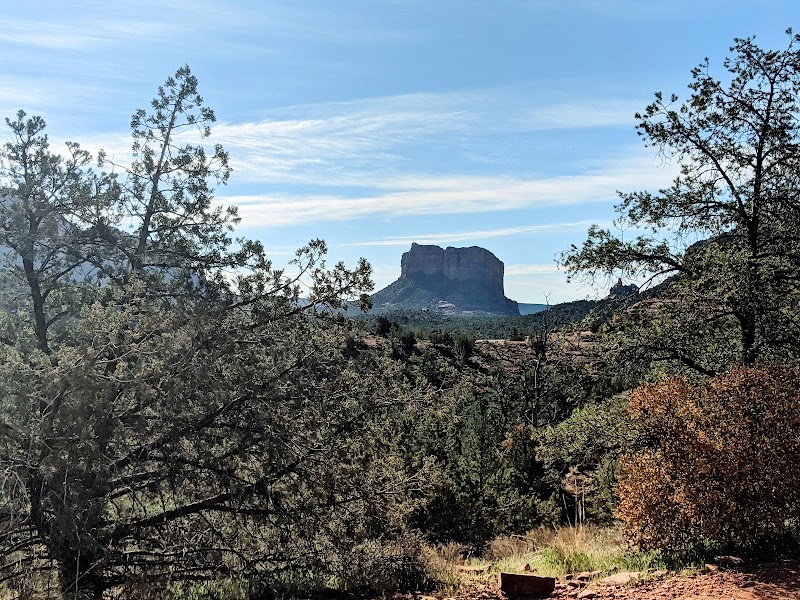
The trail demands focus at every step, yet rewards with views of Bell Rock and Courthouse Butte glowing gold and then purple. As dusk fades, reflections off the rocks feel alive, as if the stone itself is shifting in color and temperature, daring you to feel the moment fully aware and prepared. Adjusting for weather on this sunset tour is not just about safety—it’s about tuning into Sedona’s rhythm, a place that is fiercely itself, where the natural world invites both admiration and careful engagement.
Nearby Trips
All Adventures
Boat Charters
Water Activities
Adventures near Sedona
Discover the unique and memorable adventures that make Sedona special.
Frequently Asked Questions
What time should I start the sunset hike in Sedona?
Starting about 2 hours before sunset allows you to reach key viewpoints comfortably, adjust for breaks, and descend with enough daylight or headlamp backup.
How do weather changes affect trail conditions?
Sudden rain can turn sandstone slippery, and winds can drop temperatures quickly. The trail may require cautious footing and additional layers to stay warm.
Are there easier alternative routes if conditions worsen?
Yes, many Sedona trails interconnect. If weather deteriorates, switching to nearby flatter, shaded trails closer to the parking area can offer safer options.
Is wildlife commonly encountered on sunset tours here?
Yes, you might spot lizards warming on rocks, red-tailed hawks circling thermals, and occasionally deer grazing near forested patch borders.
Can I bring my dog on the sunset tour?
Dogs are allowed on many Sedona trails but must be leashed, especially near cliffs and wildlife zones. Watch for heat stress on warmer days.
What should I do if the weather turns suddenly cold or windy?
Put on your warm layers immediately, seek sheltered spots behind rock formations, and consider shortening the hike to ensure safe return before dark.
Recommended Gear
Hydration Pack or Water Bottles
Crucial to prevent dehydration in Sedona’s arid climate; have enough water to last through 3+ hours.
Layered Clothing Including Windbreaker
Protect yourself from variable temperatures and winds that intensify near sunset.
Hiking Boots with Good Traction
Stable footwear is needed for rocky and uneven terrain to avoid slips, especially on cooled or slick rock.
Headlamp or Flashlight
As sunset approaches rapidly, having a light source ensures safe descent after dark.
Local Insights
Hidden Gems
- "Secret shelf routes near Bell Rock that open up less crowded views"
- "Small, shaded groves of juniper that offer respite from wind"
Wildlife
- "Western scrub-jays"
- "Desert cottontail rabbits"
- "Coyotes at dawn and dusk"
History
"Sedona’s red rocks hold centuries of Native American significance and early settler stories linked to the landscape’s spiritual reputation."