Sedona’s iconic red rock vistas are breathtaking from above, yet helicopter sightseeing here hinges on understanding local environmental forces. From wind dramas to heat’s subtle touch, these conditions shape every flight, inviting adventurers to plan wisely and adapt swiftly.
Book Early Morning Flights
Winds tend to calm in the early morning, offering smoother rides and clearer views compared to the thermally active afternoons.
Check Weather Updates Frequently
Rapid weather shifts, especially during monsoon season, can delay or cancel flights. Real-time monitoring helps avoid surprises.
Dress in Layers
Temperatures drop with altitude; having layers keeps you comfortable and prepared for chilly winds over canyon rims.
Prepare for Sudden Flight Changes
Pilots may alter routes or reschedule to avoid areas with poor visibility or turbulent winds—stay flexible and patient.
Navigating Nature’s Forces: Environmental Conditions Shaping Sedona Helicopter Sightseeing
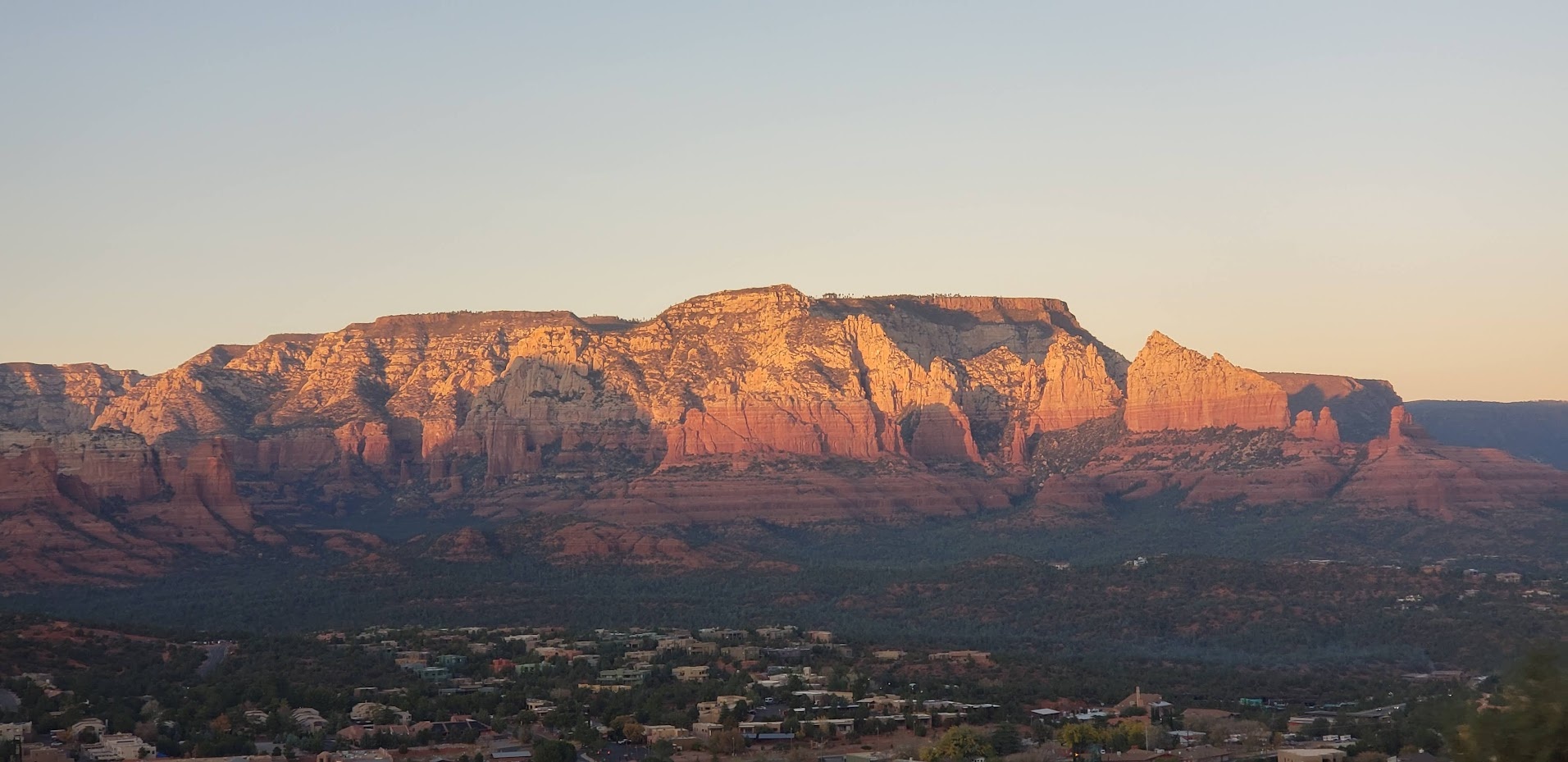
Everything Sedona Sunset
Starting at $220 • All Ages • 10 -12 Minutes • Up to 6 People
Discover the magic of Sedona at sunset with a private boat tour that showcases the region's stunning landscapes from a unique perspective. Perfect for tranquil evenings and memorable adventures, this experience offers breathtaking views and personalized service.
Sedona’s rugged red rock formations unfold beneath you like a living map, but the magic of helicopter sightseeing here depends as much on environmental elements as it does on the pilot’s skill. This isn’t a ride to take lightly or expect on demand—weather patterns, temperature shifts, and atmospheric forces contend with every flight, affecting visibility, safety, and overall experience.
First, wind is the unseen conductor of the tour. Gusts sweeping across the canyons can toss the chopper in subtle yet noticeable rhythms. Pilots work with winds that dare to push the aircraft sideways or upward, forcing reroutes or delays. Understanding typical wind behavior—often more robust in the afternoons due to shifting thermal currents—can help you plan early morning flights when the air settles.
Temperature layers matter too. Rising warmth stirs air pockets that buffet the helicopter. On hot days, especially in summer, the thinning air reduces lift performance, prompting pilots to tweak altitude or modify routes for safety. Cooler months bring denser air, offering crisper views but sometimes generating turbulence from sudden drafts over rocky ridges.
Visibility is the true gatekeeper of your experience. Sedona’s famous clear skies can quickly cloud over with monsoon storms in summer or early winter fog. Dust kicked up by dry desert winds can also shroud the landscape in a dusty haze. Pilots rely heavily on weather forecasts and realtime observations, sometimes delaying departures until the skies clear or shifting flight windows to avoid smoke or haze.
Precipitation is rare but decisive. Rain slicks the rock surfaces into an unpredictable gloss and brings flash flood risks. Flights often pause with any storm approaching—the dangers are both wind shear and lightning, which the canyon corridors amplify.
Humidity and barometric pressure are quiet influencers, adjusting engine performance and aerodynamic response. Pilots monitor these metrics constantly, especially during transitions between seasons.
Knowing this dynamic setting empowers you. Schedule flights as early as possible for stable air. Stay flexible and ready for last-minute changes due to weather. Dress in layers—even mild altitude changes can feel cooler above the desert floor. And bring a good camera to capture fleeting moments when nature cooperates, framing Sedona’s fierce and beautiful landscape from a perspective few see.
Helicopter sightseeing in Sedona is not just about sightseeing; it’s about engaging with a living, breathing environment that demands respect and awareness. With these conditions in mind, your aerial adventure becomes a collaboration with the elements, offering an unforgettable vantage paired with practical wisdom.
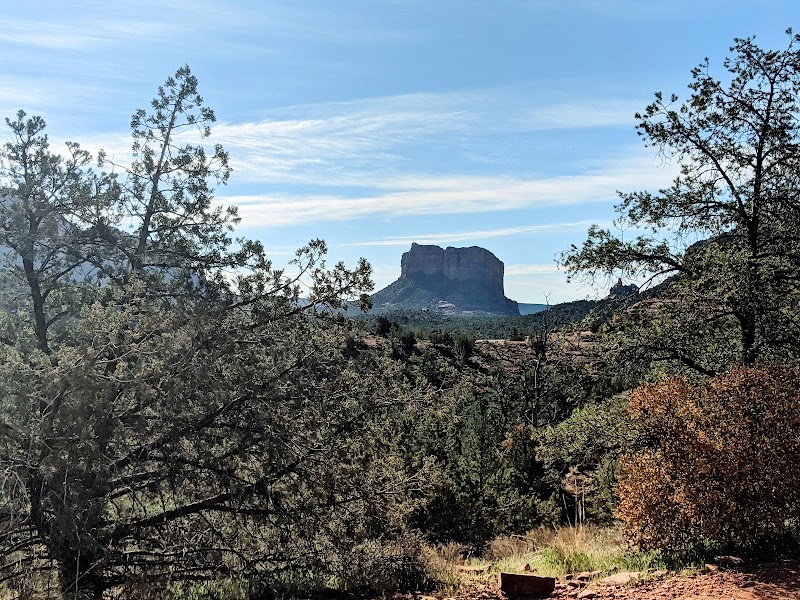
Nearby Trips
All Adventures
Boat Charters
Water Activities
Adventures near Sedona
Discover the unique and memorable adventures that make Sedona special.
Frequently Asked Questions
How does wind affect the helicopter tour in Sedona?
Wind can cause turbulence, forcing pilots to adjust altitude or routes for safety and comfort. Strong gusts, common in afternoons, may delay or reschedule flights.
What weather conditions typically cause flight cancellations?
Heavy rain, thick fog, monsoon storms, or poor visibility due to dust or smoke can lead to cancellations to ensure passenger safety.
Is there a best time of day to fly for clearer views?
Early morning flights usually offer the calmest winds and clearest skies, providing the best scenic opportunities before thermal air currents develop.
Are there altitude or temperature restrictions for Sedona helicopter tours?
Hot summer temperatures reduce air density, impacting lift capacity. Pilots account for this by adjusting flight parameters or limiting flight times during peak heat.
Can I bring photography equipment on the flight?
Yes, but choose compact, stabilized gear. Large tripods aren’t practical, and rapid movements in the helicopter require quick-shutter cameras to minimize blur.
Are Sedona helicopter tours suitable for children or people with motion sickness?
Most tours are family-friendly, but those prone to motion sickness should prepare with medication or choose shorter flight options with steady pilots.
Recommended Gear
Layered Clothing
To adjust easily to temperature changes at altitude and during waiting times on the ground.
Polarized Sunglasses
Reduces glare from rock surfaces and enhances visibility through helicopter windows.
Windbreaker Jacket
Adds protection against gusty canyon winds, especially in cooler, wind-prone months.
Camera with Stabilization
For capturing sharp images while compensating for helicopter movement.
Local Insights
Hidden Gems
- "Fay Canyon nook visible only from the air, revealing hidden slot canyon crevices"
- "Secretive red rock spires on the west rim that are less accessed by hikers"
Wildlife
- "Red-tailed hawks that often soar alongside tours"
- "Desert tortoises visible near lower canyon floors during spring"
History
"Sedona’s air tours trace paths over ancestral lands of the Yavapai and Apache tribes, with red rocks that served as natural landmarks and spiritual sites for centuries."