
Sedona’s spiritual retreats combine striking natural beauty with deep calm, but accessibility varies widely across sites. This guide offers clear, practical insights to help all visitors navigate these unique locations with confidence—from wheelchair-friendly paths to manageable hikes at iconic vortex points.
Stay Hydrated All Day
Sedona’s dry climate demands frequent water intake; carry at least two liters per person during your visit to avoid fatigue and dehydration.
Wear Supportive Footwear
Choose sturdy shoes with good tread to safely navigate uneven or rocky sections of trails and paved paths alike.
Plan Visits During Cooler Hours
Early mornings and late afternoons offer the best temperatures and fewer crowds, enhancing both comfort and photo opportunities.
Confirm Accessibility Ahead
Trail conditions and accessibility features can change seasonally; verify accommodations such as ramps or shuttle options before arriving.
Accessing Sedona’s Spiritual Retreats: Practical Paths to Peace

Sedona Private Spiritual Retreat
6 Hours • Up To 4 People
Discover inner peace and spiritual renewal with a private retreat in Sedona's stunning red rock landscape. Experience personalized healing sessions and mindful practices designed just for you. Keep reading to find out more about this transformative adventure!
Sedona’s spiritual retreats draw those seeking calm amid striking red rock landscapes, but finding your way through these serene sites can require a little planning—especially when factoring in accessibility. For adventurers and seekers alike, this guide cuts through the logistics with clear-eyed insights on how best to experience Sedona’s spiritual hotspots, whether mobility is limited or you crave a manageable excursion.
At the heart of Sedona’s spiritual offerings are locations like the Chapel of the Holy Cross, Amitabha Stupa & Peace Park, and Sedona Vortex sites. Each spot presents a unique encounter with the landscape, inviting visitors to engage with nature that is fiercely itself—ancient rock formations standing guard, winds that shift without warning, and trails that challenge or embrace depending on your path.
For example, the Chapel of the Holy Cross features accessible parking and ramps facilitating entry to the building itself. The interior, where stained glass filters sunlight softly against sandstone walls, is wheelchair-friendly, making it an ideal spiritual anchor for many. Nearby viewpoints provide sweeping panoramas without a battling a steep ascent.
Just a few minutes’ drive away, Amitabha Stupa & Peace Park offers paved paths and benches at resting points. This retreat’s wide, flat trails invite slower exploration, perfect for those carrying physical limitations but eager to absorb vast open skies and the peaceful hum of the nearby forest. Trees seem to hold their breath here, while the earth subtly shifts beneath.
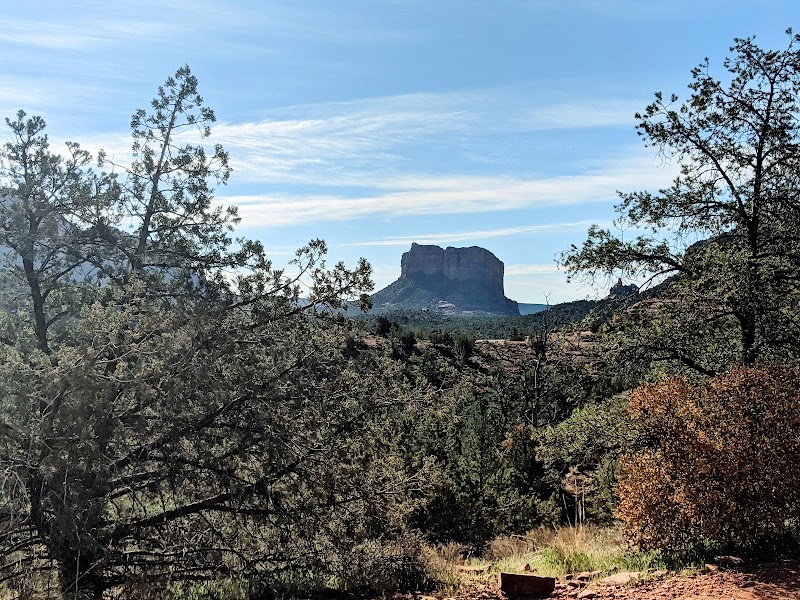
Vortex sites such as Airport Mesa give a more mixed bag. The main viewpoint is accessible via a short, paved trail with slight grade—steady but navigable for many. The wind dares you to stay, pushing through juniper branches as you take in views where the valley stretches endlessly. For wheelchair users or those who require smooth terrain, this spot remains one of the more practical options but expect some minimal incline.
Practical advice to maximize your experience includes bringing ample water—Sedona’s dry air can drain energy quickly. Proper footwear with good grip helps on uneven terrain. Morning or late afternoon visits skip the heat and crowds, granting respite and richer photographic light. Always check ahead; some trails may close seasonally or vary in accessibility details.
It’s about reading the land’s moods as much as your own needs. For those with mobility challenges, start with chapel grounds and Peace Park, where the balance tips toward ease without sacrificing awe. For others, a carefully chosen vortex viewpoint offers that rush of the wild meeting the calm.
Whatever your approach, Sedona asks you to interact with it on its terms—nothing forced, just a shared journey. The natural elements don’t yield; they invite, nudge, and sometimes push back. Your success lies in preparation and respect, enabling you to access not just a destination but the spirit of the place itself.
Nearby Trips
All Adventures
Boat Charters
Water Activities
Adventures near Sedona
Discover the unique and memorable adventures that make Sedona special.
Frequently Asked Questions
Are Sedona’s spiritual retreat locations wheelchair-accessible?
Some key sites such as the Chapel of the Holy Cross and Amitabha Stupa & Peace Park offer wheelchair-accessible paths and ramps, making them suitable for most visitors with mobility challenges. However, certain vortex sites have uneven terrain or slight inclines, so check specific accessibility details before visiting.
What is the best time of day to visit the vortex sites for accessibility?
Early morning or late afternoon visits reduce heat exposure and crowd sizes, providing cooler conditions and easier parking. Airport Mesa’s main viewpoint features paved paths with gentle grades, making these times ideal for accessibility as light and footing are optimal.
Is parking available close to these spiritual retreats?
Yes, designated parking areas usually sit within reasonable walking distance for most visitors. The Chapel of the Holy Cross provides accessible parking spots near the entrance, but some vortex locations may require short walks from parking lots, so prepare accordingly.
Can I bring pets to Sedona’s spiritual sites?
Policies vary, but many outdoor spiritual sites ask that pets remain leashed and do not disturb the serenity of the place. Check individual site rules before arriving to respect local customs and wildlife.
Are guided tours available for people needing extra assistance?
Yes, some local operators offer guided tours tailored for visitors with mobility concerns, providing transportation and paced access to key locations. Booking ahead is recommended to ensure availability.
How do I best prepare for altitude and weather changes in Sedona?
Sedona sits about 4,350 feet above sea level, so give yourself time to acclimate if coming from lower elevations. Layered clothing and hydration safeguard against temperature swings and dry air, while pacing yourself helps avoid altitude-related fatigue.
Recommended Gear
Hydration Pack
Keeps water hands-free and accessible, essential given Sedona’s dry air and outdoor focus.
Sturdy Hiking Shoes
Provides grip on diverse surfaces from smooth ramps to rocky patches, reducing injury risk.
Sun Protection
Hat, sunglasses, and sunscreen protect against intense sun exposure during warmer months.
Light Layered Clothing
Allows adjusting to the cool mornings and warming afternoons typical of Sedona’s high desert climate.
Local Insights
Hidden Gems
- "The Chapel’s lesser-known viewpoint offers a quiet spot above the main parking lot with unique rock formations."
- "Peace Park’s secluded meditation decks sit hidden under juniper canopies rarely crowded even on weekends."
Wildlife
- "Watch for the nimble rock squirrels around the chapel grounds and listen for the call of the greater roadrunner weaving through desert foliage."
History
"Sedona’s spiritual retreats grew from a blend of Native American reverence for the land and New Age movements in the late 20th century, creating a landscape both culturally rich and deeply connected to natural forces."