Navigating Safety and Maritime Etiquette for Unforgettable Boat Trips
Boat trips across the Puget Sound or nearby lakes offer thrilling escapes into nature’s aquatic corridors. Mastering essential safety gear and maritime etiquette ensures every journey is not only exciting but secure and respectful—perfect for new boaters and seasoned sailors alike.
Always Wear Your Life Jacket
Properly fitted life jackets are your best defense against unexpected falls overboard—never skip this essential safety step.
Check Weather and Tides
Review forecasts and tide charts before departure to avoid sudden storms or strong currents that complicate navigation.
Communicate on VHF Radio
Maintain clear communication with other boats and emergency services using standardized marine channels.
Respect No-Wake Zones
Reduce speed in designated areas to minimize injuries to swimmers and disturbance to wildlife.
Navigating Safety and Maritime Etiquette for Unforgettable Boat Trips
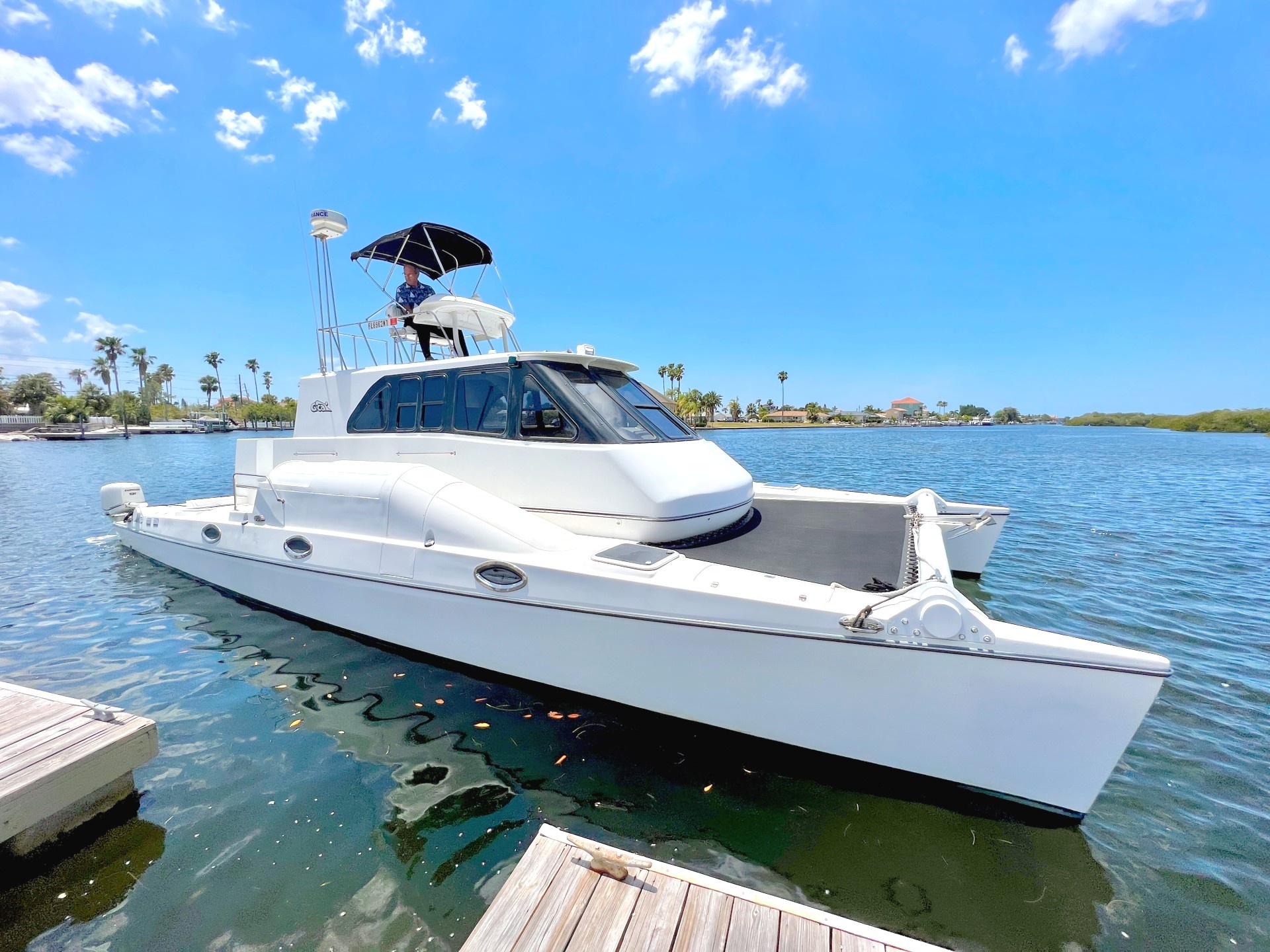
6-Hour Catamaran Charter
13 Person Capacity
Discover the beauty of Florida's Gulf Coast aboard a private 6-hour catamaran with Crab Island Luxury Adventures. Perfect for relaxing, exploring, and capturing unforgettable moments, this tour offers a personalized maritime experience you won't forget.
Stepping aboard a boat sets you on the edge between land and water, where the currents command respect and the horizon invites exploration. Whether you're steering a small craft across calm lakes or venturing onto coastal waters where waves push steadily forward, understanding safety gear and maritime etiquette is your first step to a confident and secure journey.
Safety Gear Essentials Before the engine hums or the oars dip into the rippling surface, gear must be checked and ready. Life jackets, or personal flotation devices (PFDs), are non-negotiable; ensure each on board fits correctly and is Coast Guard-approved. Beyond the jacket, carry a throwable flotation device easily accessible in case someone slips overboard. Signal equipment like whistles and flares transform into lifelines when communication or visibility becomes tight, while a first aid kit addresses unexpected scrapes from rigging or slips on wet decks.
Reliable navigation tools—GPS, maps, a compass—are your eyes when fog or dusk blur the horizon. A VHF radio keeps you connected to other vessels and emergency responders, especially on busy waterways or unpredictable seas.
Maritime Etiquette: The Unspoken Code The water is a shared space where respect and rules form the base of safety. When approaching other boats, slow down and pass carefully to avoid creating hazardous wakes that rock smaller vessels. Keep to starboard (right side) when vessels are on a collision course to yield right of way. Be mindful of swim zones and underwater cables, respecting their boundaries and postings.
Noise control isn’t just politeness—excessive sound can startle wildlife or other users. A calm voice and measured throttle whisper the right respect to both nature and neighbors.
Preparing For the Ride Check weather forecasts diligently; water conditions can change rapidly, with wind and tides reshaping your route. Pack water and sun protection, since glare from water intensifies sun exposure. Dress in layers that accommodate wind and spray—nature’s elements are fiercely themselves and can shift without warning.
Skills to Practice Familiarize yourself with basic boat handling and emergency procedures. Practice man-overboard drills and understand anchor use for steady holds in varying depths. These aren’t just checkboxes; they create a dialogue between you and the water’s unpredictable power.
Boating isn’t about conquering the water but moving with it, recognizing the currents’ clear language and the shoreline’s subtle alerts. With thorough preparation and a respectful approach to fellow travelers and nature, your boat trip will be an adventurous passage marked by safety, respect, and memorable moments.

Nearby Trips
All Adventures
Boat Charters
Water Activities
Adventures near Seattle
Discover the unique and memorable adventures that make Seattle special.
Frequently Asked Questions
What type of life jacket should I bring for a recreational boat trip?
Choose a Coast Guard-approved PFD rated for your activity, generally Type III for comfort during active boating. Ensure it fits snugly and suits your size and age.
Is it necessary to have a VHF radio on small boats?
While not legally required on all small boats, a VHF radio is strongly recommended for safety, enabling contact with other vessels and emergency services, especially in busy or coastal waters.
How should I behave around wildlife while boating?
Maintain a respectful distance, avoid loud noises, and minimize wake near sensitive habitats to prevent stressing animals or disrupting feeding and breeding.
What are no-wake zones and why do they matter?
No-wake zones require boats to move slowly to prevent large wakes, which can erode shorelines, endanger swimmers, and disturb anchored vessels.
How do I prepare for sudden weather changes on the water?
Monitor weather forecasts before departure, bring layered waterproof clothing, and ensure your vessel is equipped with emergency signaling gear and a reliable navigation system.
What local rules or customs should I know for boating near Seattle?
Follow posted speed limits, respect designated swimming and marine preserve areas, and adhere to right-of-way rules established by the U.S. Coast Guard to ensure safe and respectful navigation.
Recommended Gear
Life Jacket (PFD)
Critical for every passenger to ensure flotation if overboard; must fit properly and be Coast Guard-approved.
VHF Marine Radio
Enables communication with coast guard and other vessels for navigation and emergencies.
Waterproof Layered Clothing
Protects you from wind and spray; layers adjust to changing temperatures on open water.
Sun Protection
Includes sunscreen, sunglasses, and a hat to shield from intensified UV rays off the water surface.
Local Insights
Hidden Gems
- "Shilshole Bay's quiet coves offer calm waters and excellent wildlife spotting away from main channels."
- "Discovery Park's marine trails provide unique underwater viewing opportunities for snorkelers and divers."
Wildlife
- "Harbor seals frequently haul out along rocky shores around Shilshole Bay."
- "Puget Sound’s waters are home to orca pods that can sometimes be spotted in warmer months."
History
"Seattle’s maritime history anchors the city with rich ties to fishing, naval operations, and early commercial trade, reflected in historic docks and maritime museums lining the waterfront."