Mastering Kiteboarding Conditions in the Pacific Northwest
The Pacific Northwest offers a rugged playground for kiteboarders who can read its complex winds and tides. This guide distills the essential knowledge for timing your sessions and gearing up, ensuring you maximize the thrill while respecting the wild power of the region’s waters.
Monitor Afternoon Winds
Plan rides between late morning and early evening when west-northwest winds typically build strongest and most consistently.
Check Tides Before Launching
Aim for outgoing tides to find cleaner water and stronger wind flow near estuaries and bays.
Wear a Full Wetsuit and Gloves
Cold water temperatures year-round make a 4/3mm wetsuit with gloves and booties necessary for prolonged sessions.
Bring Repair Tools Onsite
The rugged environment and strong winds can cause kite damage; keep basic tools on hand for quick fixes.
Mastering Kiteboarding Conditions in the Pacific Northwest
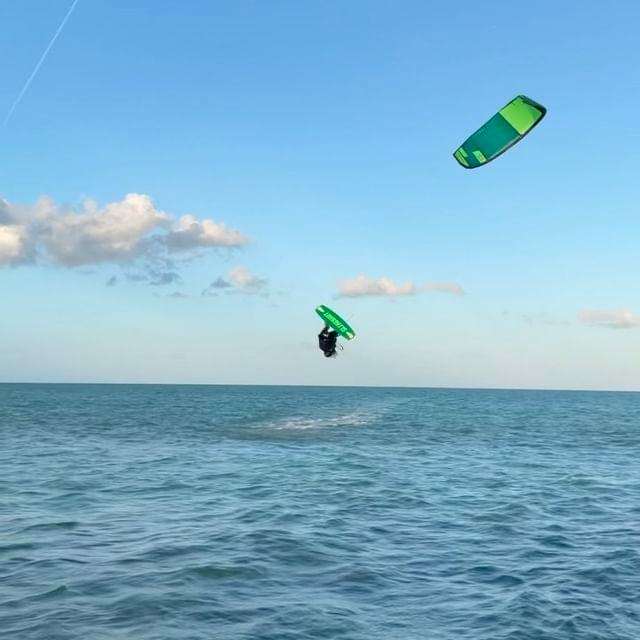
Advanced Kiteboard Lesson
Up to 3 hours • Ages 8+ • One-to-one instruction for 1 person
Looking to push your kiteboarding skills? The Lagoon in Marathon offers tailored advanced lessons designed to challenge and inspire experienced riders. Discover how personalized instruction on the warm waters of the Florida Keys can take your skills to new heights.
Kiteboarding in the Pacific Northwest demands an intimate understanding of its ever-shifting winds, tides, and terrain. Here, the ocean is a restless partner, its currents and gusts pushing and pulling with a fierce personality that both tests your skill and rewards your respect. To optimize your ride, start by tuning into the local wind patterns: the afternoons typically summon steady west to northwest breezes, while mornings can be calm, tempting you to plan sessions between 11 a.m. and 5 p.m.
The best kite spots often lie near estuaries and bays where the land’s shape funnels wind in predictable ways. Hood Canal and the areas around Puget Sound are prime examples, with their broad water expanses and complex shoreline geometry that catch wind like a sail eager for a race. But beware of sudden shifts; the Pacific Northwest weather can turn quickly, and the clouds themselves seem to whisper warnings before a blow changes direction or dies out.
Tides add another layer of challenge—standing water can stagnate the wind’s push, so timing your kite session around outgoing tides often yields cleaner, stronger winds and smoother water. Landing beaches like Westport and Ocean Shores offer sandy buffers for launching and retrieval, but be prepared for occasional rocky patches that demand sturdy boots and keen attention.
Water temperature stays cold year-round, flirting between 45 and 55 degrees Fahrenheit, so a good wetsuit is your second skin. Protect yourself not just from immersion but from wind chill; the cold can sneak up as the wind pushes forward, biting at exposed skin and draining energy.
Practical gear choices make or break your experience: a quick-release harness, a pump suited for efficiency, and a kite tuned for moderate to strong gusts are essentials. Carry tools for quick fixes, as the environment will test your equipment as much as your mettle.
Respect and observe the environment. The area’s salmon-bearing rivers and oyster farms are sensitive; avoid launching in restricted zones, and hold to local regulations. Finally, embrace the unpredictable nature of the Northwest winds—they demand attention and respect rather than brute force. When conditions align, kiteboarding here feels less like a sport and more like a conversation with a natural force that’s fiercely itself.
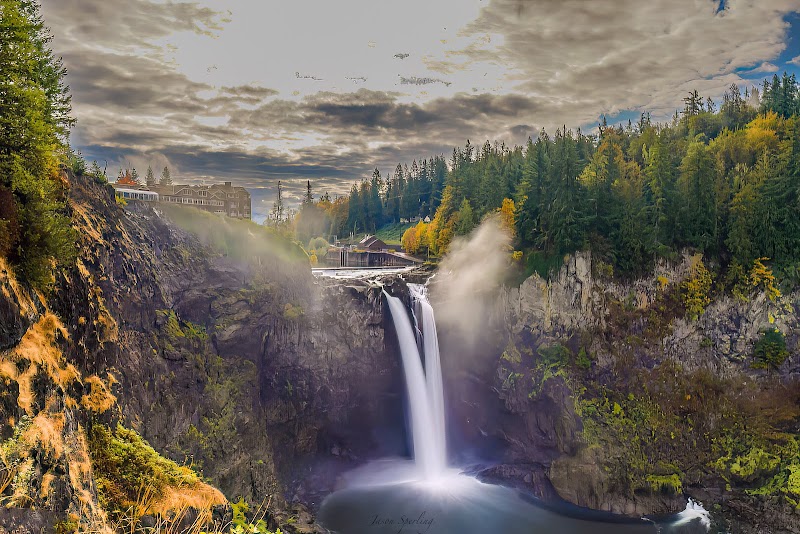
Nearby Trips
All Adventures
Boat Charters
Water Activities
Adventures near Seattle
Discover the unique and memorable adventures that make Seattle special.
Frequently Asked Questions
What are the most consistent kiteboarding spots in the Pacific Northwest?
Hood Canal, Puget Sound near Westport, and Ocean Shores are well-known for consistent afternoon winds funneling through the bays. Each spot offers unique water conditions from flat estuaries to choppier open water.
How do tides affect kiteboarding sessions here?
Tides impact water depth and wind strength near shore. Outgoing tides usually create smoother water and stronger winds as the ocean pulls away from the shore, making launches and rides easier and more responsive.
Is it safe to kiteboard year-round in the Pacific Northwest?
Yes, with the proper gear and experience. However, winter conditions are colder and often more intense, requiring excellent wetsuits and advanced skills to navigate stronger winds and bigger waves safely.
Are there any local environmental rules kiteboarders should know?
Many areas prohibit kiteboarding near sensitive salmon spawning grounds and oyster beds. Respect posted signs and wildlife areas to preserve these ecosystems and avoid fines.
What wildlife might I encounter during kiteboarding sessions?
Look out for sea otters, harbor seals, and occasionally bald eagles circling overhead. Though not close to shore while riding, sightings enrich the experience and remind you of the surrounding wild life.
Can beginners safely kiteboard in the Pacific Northwest?
Beginners should find lessons with certified instructors and start on days with steady, moderate winds at protected beaches. Rigorous attention to tides, wind shifts, and cold water safety is essential.
Recommended Gear
4/3mm Full Wetsuit
Keeps you warm and protected against cold Pacific Northwest waters year-round.
Quick-Release Harness
Crucial for safety in variable winds, allowing fast disengagement in emergencies.
Pump with Pressure Gauge
Ensures optimal kite inflation for performance and safety, adapting quickly to changing wind.
Neoprene Gloves and Booties
Protect extremities from cold and offer grip, essential during colder months.
Local Insights
Hidden Gems
- "Deception Pass viewpoint for wide wind corridors"
- "Point No Point Beach’s calm spots for training"
- "Little Mission Bay’s predictable afternoon breeze"
- "The sand spits near Grays Harbor for less crowded launches"
Wildlife
- "Harbor seals along coastal bays"
- "Migrating salmon visible in estuaries seasonally"
- "Eagles nesting near cliffs and tall trees"
- "Sea otters basking in kelp beds"
History
"The Pacific Northwest has a deep maritime heritage, with indigenous tribes relying on these waters for centuries. Modern kiteboarding intersects with a legacy of respect for natural resources and stewardship."