Seabrook’s wetlands provide an accessible yet vibrant destination for photographers eager to capture intimate wildlife moments and expansive landscapes. This guide combines vivid scene-setting with practical advice, equipping adventurers to navigate and photograph the wetlands with purpose and respect.
Start Early for Best Light
Arrive before sunrise to harness soft, directional light perfect for both wildlife and landscape shots, and to avoid midday heat.
Wear Waterproof Footwear
Trail sections traverse muddy soils and occasional shallow water; boots or waterproof shoes keep feet dry and comfortable.
Pack Insect Repellent
Wetlands are active habitats for mosquitoes, especially during warmer months; repellent ensures focus stays on your shot rather than bites.
Carry a Sturdy Tripod
Low-light conditions and longer shutter speeds demand camera stability; a tripod is indispensable for sharp images at dawn and dusk.
Mastering Wildlife and Landscape Photography in Seabrook’s Wetlands

Kayak and Paddle Board Rentals
Discover the joys of kayaking and paddleboarding along Seabrook’s scenic waterways with Jet Ski Texas. Perfect for adventure seekers of all levels, enjoy the outdoors, spot wildlife, and embrace the Texas coast in this fun-filled rental experience.
Seabrook’s wetlands offer a rare chance to step into a world where water and earth engage in constant motion, challenging you to capture their fleeting moments. The wetlands, sprawling over roughly 5 miles of flat, mostly boardwalk and soft earth trails, hold a dynamic force of nature, from darting marsh birds to the whisper of tall reeds coaxed by the breeze. Elevation gain is minimal—less than 100 feet—making the terrain accessible without sacrificing adventure. But don’t mistake easy for simple; the ecosystem here is fiercely alive and demands sharp attention.
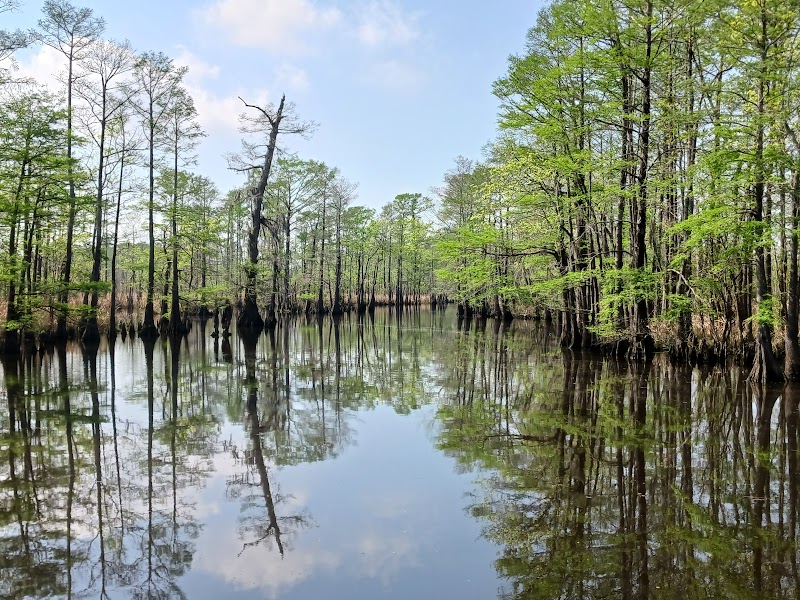
The trail begins just outside Seabrook’s small town limits. The path guides you through clumps of green, where herons carefully balance on swaying logs and otters dare to peek with swift curiosity. The air carries the mix of rich mud and fresh water, wrapping itself around you like an old companion who knows the land well. Capture the low morning sun reflecting off the quiet pools before the day’s heat stirs the shadows and creatures vanish into the marsh.
For photographers, timing is everything. Early mornings and late afternoons provide the most flattering light—not just golden hues but the soft contrast that reveals texture in both feathers and reeds. Bring a telephoto lens for sharp wildlife close-ups and a wide-angle to embrace the wetlands’ open vistas, from mirrored ponds to distant treelines pulling apart like curtains on a stage.
Prepare with practical gear: waterproof boots to handle muddy patches, insect repellent to keep the brisk mosquito dance at bay, and a steady tripod for those longer exposures during dusky hours. Water is essential—carry at least two liters per person to stay ahead of the humidity and exertion that the wetlands quietly command.
Late spring brings the highest chance to photograph neon-colored dragonflies darting against the greens, while late fall’s browns offer a muted, brooding backdrop for migrating birds settling in for the winter. Expect shifting weather as clouds race low, pushing shifting shadows across the marsh, making each frame unpredictable and alive.
Respect the wetlands’ relentless energy—it isn’t about conquering this environment but understanding its rhythms and letting your camera catch the dance. Observing from a distance, waiting still like a stone in the riverbed, will reveal moments when the wild pulses closest to the surface. Your lens becomes more than glass; it’s your connection to this fiercely self-sustaining world.
Nearby Trips
All Adventures
Boat Charters
Water Activities
Adventures near Seabrook
Discover the unique and memorable adventures that make Seabrook special.
Frequently Asked Questions
Are there any hidden areas in Seabrook’s wetlands worth exploring for photography?
Yes, a less-visited boardwalk extension near the north entrance offers close views of nesting herons and overlooked swamp orchids during spring.
What wildlife species are most commonly photographed here?
Look for great blue herons, snowy egrets, otters, and seasonal migratory ducks. Dragonflies and butterflies also provide vivid photo subjects in warmer months.
Is there any historical or cultural significance tied to the wetlands?
The wetlands have long supported local fishing communities and served as critical stopover points for migratory birds, historically supporting indigenous peoples’ subsistence.
Are there any environmental regulations photographers should be aware of?
Stay on designated paths and boardwalks to protect fragile vegetation and nesting sites. Avoid using flash directly on wildlife to prevent disturbance.
When is the best time of day for wildlife photography here?
Early morning and late afternoon offer the best light and increased animal activity, as midday heat pushes much of the wildlife to shaded or hidden areas.
Can visitors bring drones for aerial photography in the wetlands?
Drone use is restricted due to the sensitivity of bird habitats and federal regulations protecting migratory species; check local rules before considering this.
Recommended Gear
Waterproof Hiking Boots
Protect feet from wet ground and maintain traction on muddy paths.
Camera with Telephoto and Wide-Angle Lenses
Allows capturing both distant wildlife details and sweeping wetland vistas.
Insect Repellent
Keeps mosquitoes at bay during peak insect activity.
Lightweight Tripod
Stabilizes your camera for low-light shots during early morning and evening.
Local Insights
Hidden Gems
- "North boardwalk extension for close-up bird photography"
- "A secluded spot near the west inlet where water lilies bloom late in spring"
Wildlife
- "Great blue herons"
- "Neotropical migratory birds"
- "River otters"
- "Neon dragonflies"
History
"Seabrook’s wetlands have supported local fishing economies dating back to early 20th century, with indigenous communities using the area seasonally for gathering."