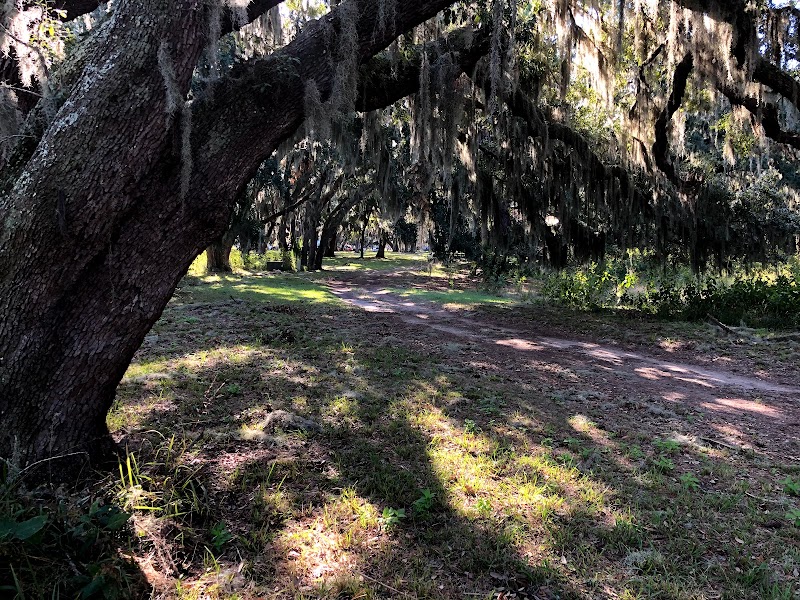
Savannah’s moss-draped streets invite discovery at every hour of the day. This five-day guide balances the city’s natural rhythm with practical timing tips, helping riders experience its charm while managing hydration, terrain challenges, and local energy shifts.
Start Early to Beat the Heat
Mornings bring cooler temperatures and softer light, ideal for navigating cobblestones and soaking in moss-draped oak alleyways before midday humidity sets in.
Bring Appropriate Footwear
Wear shoes with good grip and waterproof features to handle slick cobblestones, wet patches near riverfronts, and moss-covered sidewalks.
Hydrate Frequently
Savannah’s summer humidity and summer midday heat demand frequent water breaks; a hydration pack with quick access helps maintain steady energy.
Plan Your Route Around Busier Times
Avoid riding through main tourist hubs during late afternoon; instead, pick quieter side streets or park perimeters for safer, more relaxed experiences.
Navigating Savannah’s Moss-Draped Streets: A Five-Day Timing Guide

Five Day Traditional Bike Rental
For All Riders
Discover Savannah's historic charm on a five-day bike adventure. Glide through scenic streets, explore hidden gems, and enjoy the vibrant local scene at your own pace with Savannah On Wheels.
Savannah’s streets wear time in layers—each hour revealing different facets of their moss-draped charm. Over five days, you’ll encounter the city’s rhythm: from the quiet dawn when Spanish moss sways in cool breeze whispers to the golden-hour glow slipping through ancient oaks that dare you to slow down and breathe.
Day 1: Early mornings offer crisp air and soft light, perfect for exploring the historic district without crowds. Riding through cobblestone streets here, expect gentle elevation changes but watch out for slick patches of worn stone and occasional cobbles that challenge balance. Calm, yet alive, the moss seems to lean closer, eager to share secrets.
Day 2: Midday rides can be muggy; the city's shade, filtered through thick oaks, becomes your shield. Moss overhanging branches catch and soften the sun’s push, but humidity challenges hydration. Plan breaks in shaded squares or local cafes tucked away between rows of oak and brick.
Day 3: Late afternoon reveals Savannah’s pulse—tourists, locals, and an intangible energy meet. Riding slow here balances adventure with caution due to busier streets. Choose routes along River Street or Forsyth Park’s perimeter trails where the moss hangs lighter and the breeze off the Savannah River pushes you forward.
Day 4: Evening descends with cooler temps and soft shadows. The moss droops heavier in fatigue, embracing the lamplight. This time invites relaxed rides or leisurely stops with comfortable footwear: the slickness on wet bricks is a subtle challenge, demanding alertness between moments of quiet wonder.
Day 5: Dawn again, but with a seasoned eye. You know where to find the best stretches—tree-lined lanes with soft moss curtains filtering the sky. Distance covered each day varies but expect 5–8 miles on flat to gently rolling terrain, with enough time to savor without sprinting. Every ride is an engagement with a city fiercely itself—wild, historic, alive.
Practical tips: Waterproof shoes handle unexpected riverfront mist. Hydration packs with quick-sip valves are essential during summer’s push. Early morning rides avoid heat and crowds; late afternoon rewards with vivid light but requires careful navigation.
Savannah’s moss doesn’t merely hang—it listens, breathes, challenges. Engage on its schedule, and the city reveals more than streets: memories, moments, movement.
Nearby Trips
All Adventures
Boat Charters
Water Activities
Adventures near Savannah
Discover the unique and memorable adventures that make Savannah special.
Frequently Asked Questions
When is the best time of day to ride Savannah’s moss-draped streets?
Early mornings and late afternoons offer the best light and cooler temperatures. Mornings are quieter and less humid, while late afternoons showcase the moss under soft, golden light but come with increased pedestrian traffic.
Are the streets suitable for all bike types?
Savannah’s historic streets include cobblestones and brickwork that can be uneven and slippery. Hybrid or gravel bikes with wider tires are recommended over racing bikes for stability and comfort.
What wildlife might I encounter while riding?
Expect to see birds like herons and mockingbirds, with occasional squirrels darting through the moss-laden branches. The Savannah River vicinity may reveal herons or even river otters challenging the current.
Is it safe to ride at night in Savannah’s historic districts?
While some areas are well-lit, cobblestone surfaces can become slick and hazardous after dark. It’s best to avoid night rides or ensure high-visibility gear and lights if riding after dusk.
Are there lesser-known routes for a quieter experience?
Yes. The western edge of Forsyth Park and the grids north of Gaston Street offer peaceful lanes where moss hangs thick and crowds thin, ideal for reflective riding.
How does humidity affect my ride?
Savannah’s humidity, especially in summer, can quickly sap energy. Planning rides during cooler parts of the day and bringing ample water prevents fatigue and keeps the experience enjoyable.
Recommended Gear
Waterproof, grippy footwear
Prevents slipping on mossy, wet sidewalks and cobblestone patches, especially near river areas.
Hydration pack
Keeps water accessible to counteract heat and humidity during rides.
Light rain jacket
Protects against unexpected spring showers without overheating.
Layered clothing
Adjustable layers adapt to changing temperatures throughout the day.
Local Insights
Hidden Gems
- "Wright Square’s quiet moss-lined benches"
- "Juniper Creek trails for a short away-from-streets nature vibe"
- "Whitefield Quad with its overhanging moss canopies"
- "Forsyth Park’s northern perimeter for less crowded rides"
Wildlife
- "Great Blue Herons stalking the river’s edge"
- "Mockingbirds flitting through live oaks"
- "River otters occasionally visible near docks"
History
"Savannah’s layout reflects its 18th-century planning with open squares designed for community—and protection. The moss, a silent witness, drapes these centuries-old trees, adding living texture to streets that once hosted colonial footfalls and river trade."