
Savannah’s tidal waterways offer a thrilling, ever-changing environment where tides and currents shape your adventure. This guide provides key seasonal safety tips and navigation insights, helping adventurers of all levels prepare for a dynamic and rewarding experience on Georgia’s coastal waters.
Plan Around the Tides
Tides drastically change water levels and current speeds. Check local tide charts and schedule trips to coincide with slack tide or outgoing tide for safer, easier navigation.
Wear Appropriate Footwear
Muddy banks and slippery decks require shoes with good grip. Neoprene boots or water shoes with sturdy soles protect your feet during launches and landings.
Hydrate and Protect Against Sun
Exposed waterways provide little shade. Carry sufficient water and use sunscreen to avoid dehydration and sunburn, especially during summer months.
Keep Emergency Contacts and Navigation Tools Handy
Phone signal can be unreliable along marshy waterways. Carry a GPS device and inform someone of your planned route and expected return time.
Navigating Savannah’s Tidal Waterways: Seasonal Safety and Navigation Essentials

SAV - Private Savannah National Wildlife Refuge Excursion
Explore Savannah’s history, the local wildlife, the river and port in this amazing 3 hr. tour!
Set sail on a private adventure through the lush Savannah National Wildlife Refuge, excellent for wildlife sightings and peaceful coastal exploration. Discover the natural beauty of South Carolina's Lowcountry with expert guidance and personalized service.
Savannah’s tidal waterways are alive—a moving maze of channels and marshes where the water commands attention. Here, tides aren’t background noise; they’re active forces daring you to respect their rhythms and plan accordingly. Whether paddling the winding rivers or charting a course through salt marshes, understanding seasonal shifts is essential for a safe journey.
The waterways expand and contract with the tide, exposing oyster beds or swallowing navigational markers, while currents push with unexpected strength. This dynamic requires a practical eye: consult tide charts before heading out, and schedule your trip to avoid swift, unfavorable currents. In spring and fall, calm waters and mild temperatures welcome newcomers; summer brings humidity and peaks in mosquito activity, while winter’s cooler air comes with less predictable weather.
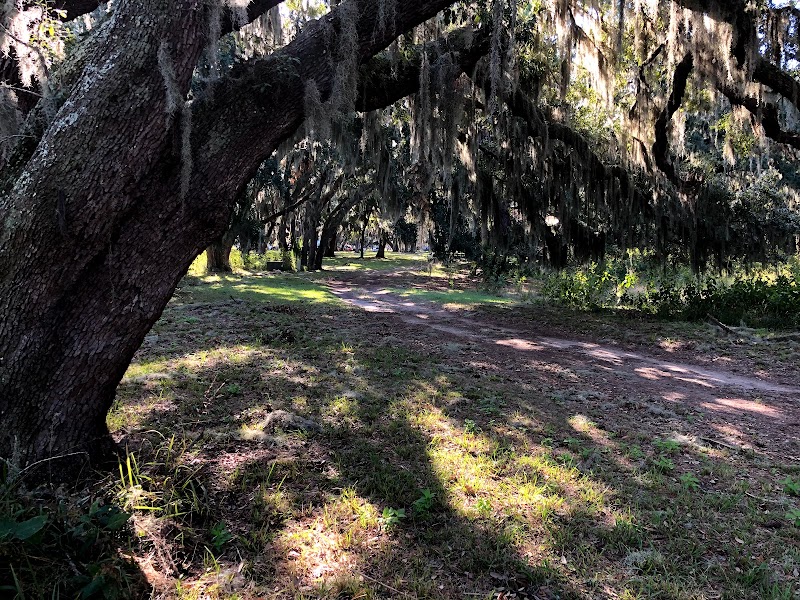
Navigation itself has a practical core. GPS devices help, but they’re no substitute for local knowledge. Take note of landmarks—the rust-red palmetto patches, or the looming live oaks arching over the marsh edges—each a clue in nature’s own navigation system. Channels may appear wide on maps but narrow on the water, hidden by reeds or fallen branches.
Safety gear isn’t optional; it’s a lifeline. Life vests, waterproof containers for electronics, and sturdy footwear that grips slippery boat decks or muddy shoreline banks will ground you in the environment’s flux. Hydration packs and sun protection shield against exposure, especially in summer’s relentless sun. Plan your departure to align with incoming or outgoing tides for easier passage and reduced effort.
Listen to the water’s voice: it can shift at a moment’s notice. A placid channel one hour can become a swift corridor pushing you east or west the next. Keep emergency contacts programmed and let someone know your route. Embrace the waterways as entities fiercely themselves—resilient, ever-changing, and demanding respect.
From a practical standpoint, start with short excursions, logging tides and gaining a feel for currents. Explore the quieter side creeks during low tide, where bird calls echo and alligators sunbathe, offering both excitement and an unmistakable reminder—this is wild territory. Navigation isn’t conquering but collaboration with the waterways’ pulse.
Master their moods according to season and tide, and Savannah’s tidal rivers reveal themselves not just as places to explore, but as teachers urging cautious adventure and prepared steps.
Nearby Trips
All Adventures
Boat Charters
Water Activities
Adventures near Savannah
Discover the unique and memorable adventures that make Savannah special.
Frequently Asked Questions
When is the best time of day to navigate tidal waterways safely?
The safest times are during slack tide—periods when the tide is neither rising nor falling—or during the outgoing tide when currents are moving away from the shore, making paddling less strenuous and reducing the risk of being caught by strong incoming currents.
What wildlife should I expect to encounter on Savannah’s tidal waterways?
Expect to see a variety of birds such as great blue herons, ospreys, and migratory waterfowl, especially in fall and spring. Alligators often sunbathe along banks during warmer months, and dolphins occasionally visit the larger tidal channels.
Are there any hidden or less-known navigation challenges in the area?
Channels can be deceptively narrow and obscured by coastal reeds or fallen trees, especially after storms. Oyster beds lying just below the surface can also pose hazards; local knowledge or careful observation is key to avoiding damage.
How do seasonal weather patterns affect waterway navigation?
In summer, sudden thunderstorms and high humidity can limit visibility and increase risk. Fall can bring hurricanes with strong winds and waves, while winter may have more unpredictable rains and colder water that impact both comfort and safety.
What should beginners prioritize when planning their first trip on these waterways?
Start by familiarizing yourself with tide schedules, choose slower moving channels for your route, and bring all safety gear including a PFD and waterproof communication tools. Joining guided tours or paddling with experienced locals can accelerate your learning curve.
Are there environmental restrictions or conservation efforts to be aware of?
Yes, many tidal marshes are protected habitats with restrictions on landing or disturbing wildlife. Stay on designated waterways and practice leave-no-trace principles to preserve sensitive ecosystems, particularly during breeding seasons.
Recommended Gear
Personal Flotation Device (PFD)
Vital for safety on shifting waters and required by law in many areas.
Waterproof GPS or Navigation Device
Helps track position and navigate complex waterways, especially when landmarks shift with tides.
Hydration Pack
Keeps you hydrated during strenuous paddling and outdoor exposure in warm months.
Quick-Dry Footwear
Provides grip on slippery banks and protects feet during water entries and exits.
Local Insights
Hidden Gems
- "The secluded salt marshes of Moon River Channel"
- "Old Fort Jackson’s river overlook"
- "Wormsloe Historic Site tidal edge"
Wildlife
- "American alligator"
- "Bald eagle"
- "Marsh rabbits"
- "Brown pelicans"
History
"Savannah’s tidal waterways have long been vital for trade and defense, with forts and colonial settlements lining the rivers. Today, these waters carry echoes of centuries-old cargo routes and local Gullah-Geechee cultural heritage tied to fishing and boat-building."