
Cycling on Tybee Island's beaches is a unique challenge where soft sands meet salty winds. With the right bike setup and timing, riders can enjoy miles of scenic shorelines in comfort, blending adventure with practical preparation.
Choose Bikes with Wide Tires
Opt for fat tire or hybrid bikes with 2-inch or wider tires to improve traction on soft sand and reduce rider fatigue.
Lower Tire Pressure
Set your tire pressure between 15-20 PSI to increase surface contact and smooth the ride over sand without risking flats.
Check Tide Schedules
Plan your ride around low tides to ensure more hard-packed sand and minimize the risk of detours or water intrusion.
Bring Hydration and Sun Protection
Carry insulated water bottles and apply waterproof sunscreen regularly to combat heat and reflective glare from the water.
Maximizing Bike Comfort on Tybee Island's Beaches: Practical Tips for an Effortless Ride

Six Day Rental (Major Discounts)
FREE Delivery And FREE Pick Up! Prices shown are for 6-Day Rentals
Discover Savannah's scenic coastline with an extended beach bike rental from Tybee Island Bike Rentals, LLC. Enjoy flexible riding days, stunning views, and unbeatable discounts, making it the perfect outdoor adventure for all ages.
Tybee Island’s coastline invites cyclists to test their stamina and savor salty breezes on sandy stretches that challenge both rider and machine. The beaches here aren’t just a backdrop—they're a living, moving force. Soft sands welcome your tires but push back, demanding thoughtful preparation and steady rhythm. To maximize comfort on these shores, start with your bike choice: fat tires or hybrids with wider grips handle the soft sand better than road bikes. Expect to ride up to 4 miles along the beach paths where elevation gain is nearly negligible, but terrain shifts swiftly from compact sand near the waterline to looser dunes inland. Timing your trips early morning or late afternoon keeps the sun at bay and the crowds light, letting you travel with fewer interruptions and cooler temperatures.
Proper tire pressure matters. Lower pressures around 15-20 PSI increase surface contact, reducing resistance and smoothing the ride. But beware the risk of pinch flats on rougher patches; carry a repair kit to stay self-sufficient. Bring hydration reflective of coastal heat and wind—a bottle cage update to support insulated bottles keeps water refreshingly cool even under direct sun. Footwear is equally crucial; waterproof or water-resistant cycling shoes or sandals prevent discomfort when quick shoreline dashes lead to splashes.
Layer your clothing for fluctuating coastal winds—light windbreakers or breathable jerseys balance sun protection with airflow. Sunscreen and sunglasses guard against the ocean’s glare that dares to blind and the UV’s direct assault. Knowing the tides is practical advice: incoming tides can push water closer to your path, forcing detours onto rougher terrain or into pedestrian zones. Check the tide charts before setting out.
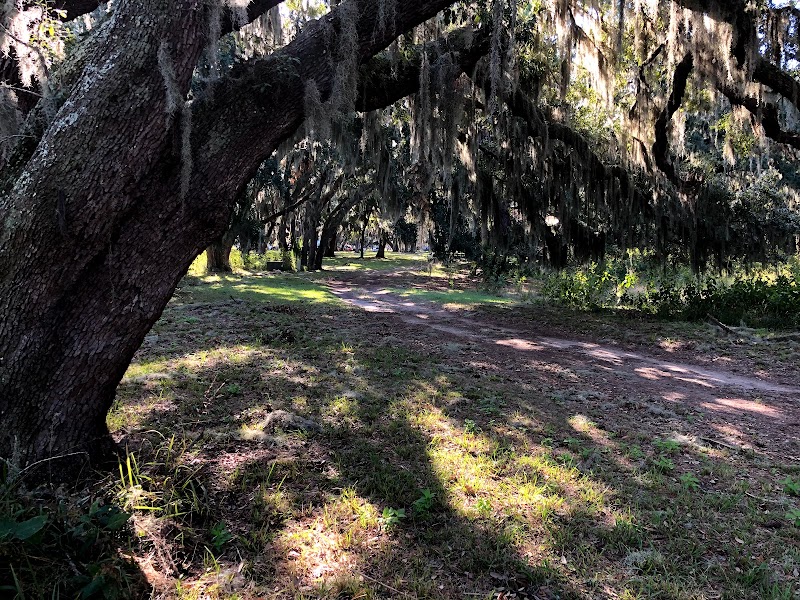
Experienced riders find that exploring beyond the main beach road towards the north end reveals quieter stretches and small park trails where sandy soil softens and trees lean low, like old sentinels. Wildlife like shorebirds probe the edges of pools daring you to pause and watch. Cultural points like the old lighthouse quietly mark the horizon, anchoring your ride in local history. Remember, the beach is a fierce partner: respect its capabilities, anticipate shifts, and stay nimble.
By blending this practical approach to equipment and timing with an appreciation for the island’s natural rhythms, cyclists can turn a potentially tiring challenge into an accessible coastal adventure. The bike is not just a tool but a way to engage with a landscape fiercely itself—offering freedom tempered by the need for preparation and respect.
Nearby Trips
All Adventures
Boat Charters
Water Activities
Adventures near Savannah
Discover the unique and memorable adventures that make Savannah special.
Frequently Asked Questions
What type of bike works best for Tybee Island beaches?
Bikes equipped with fat or wider hybrid tires (2 inches or more) offer better stability and traction on the soft and often shifting beach sands. These models reduce effort and help avoid becoming stuck in softer patches.
Are there any parts of Tybee Island's beaches that are easier or harder to cycle on?
The compact sand near the water’s edge is generally easier to cycle over, but riders must beware of tides. Inland sandy dunes tend to be looser and more tiring. North beach areas offer less crowded, smoother stretches with occasional shaded trails.
How does the tide affect cycling conditions on the beaches?
Tides can dramatically reduce firm sand areas, pushing cyclists into looser terrain or pedestrian zones. Riding near low tide is optimal, providing a stable surface that supports tires and ensures less effort.
Are there any local wildlife species cyclists should watch for?
Shorebirds like sandpipers and pelicans scan the shorelines and can dart suddenly. Sea turtles occasionally nest on parts of the island, so keep an eye out for marked conservation zones and respect their habitats.
Can I rent beach bikes on Tybee Island?
Yes, several local shops provide beach-specific bikes with wider tires and relaxed gearing adjusted for sand conditions. Rentals typically include helmets and repair kits, which are advisable for comfort and safety.
Is night riding on the beach safe or allowed?
Riding after dark is generally discouraged due to low visibility and strong tides. Some designated bike paths inland may permit night rides, but beaches themselves are best explored in daylight to avoid hazards.
Recommended Gear
Fat Tire or Hybrid Bike
Wider tires provide necessary grip and floatation on soft sands, reducing rider effort and stress on the bike.
Bike Repair Kit
Essential for quick fixes like tube patches or tire inflation to manage pinch flats caused by shifting sand.
Insulated Water Bottle
Keeps water cool under intense sun and helps maintain hydration during long beach rides.
Sun-Protective Clothing and Sunglasses
Protects skin and eyes from glare and UV exposure, crucial when exposed on open sandy paths.
Local Insights
Hidden Gems
- "North Beach's shaded maritime forest trails"
- "Back River fishing docks for a quiet rest stop"
- "Old Tybee Lighthouse grounds for historic perspective"
Wildlife
- "Migratory shorebirds"
- "Sea turtles nesting seasonally"
- "Dolphins occasionally visible offshore"
History
"Tybee Island once served as a strategic military location with coastal batteries dating to the 19th century. The lighthouse stands as a beacon of that legacy, offering cultural context to the island’s natural setting."