Savannah's coastal landscapes present an ever-changing canvas where tide meets salt marsh and sky. This guide highlights essential gear and practical tips to help photographers capture the raw beauty and dynamic forces of this Atlantic edge.
Pack a Sturdy, Adjustable Tripod
Be prepared for sandy and uneven terrain with a tripod that can adjust leg length independently for stable shots on shifting ground.
Use Lens Filters for Light and Reflection Control
Polarizing and neutral density filters help manage glare, reveal textures, and speed up exposures to capture tidal motion accurately.
Wear Waterproof, Slip-resistant Footwear
Navigate oyster beds, tidal pools, and muddy paths safely with boots that provide traction and protect from wet conditions.
Stay Hydrated and Protect Against Sun
Coastal breezes can mask dehydration; bring ample water and use sun protection even on cool or overcast days.
Gear Essentials for Photographing Pristine Coastal Landscapes in Savannah, GA

SAV Private Shark Tooth Island Tour
Join Outside for a private sailing journey from Savannah to Shark Tooth Island and uncover fossil treasures amid breathtaking scenery. Perfect for a personalized coastal adventure, this trip promises fun, discovery, and relaxation on Georgia's clear waters.
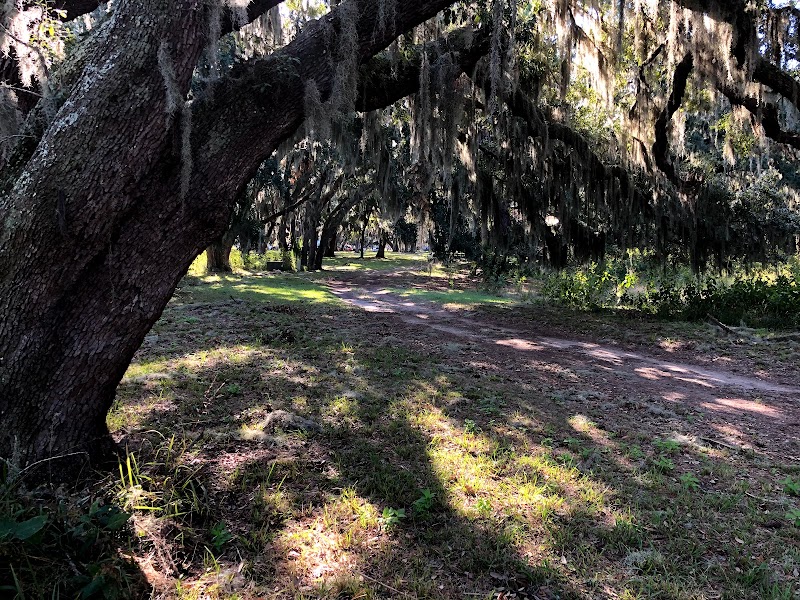
Savannah’s coastal landscapes push boundaries with raw tidal edges, quiet salt marshes, and enduring oak-lined shorelines. Photographing here means engaging with shifting sands and brackish waters that challenge the lens as much as the photographer. To capture these scenes, gear must hold up to moisture, fine sand, and unpredictable light.
Start with a sturdy tripod that can stabilize your camera against coastal breezes while allowing quick repositioning along uneven terrain. A tripod with adjustable legs is crucial—beach sand and rocks demand flexibility to keep your frame steady. A wide-angle lens expands your horizons, catching sweeping marsh vistas and dynamic sky patterns that the coastline constantly rewrites.
Filters earn their keep here. A polarizer cuts through the glare off the water, enhances colors, and reveals textures the tide tries to hide. A neutral density filter is your ally for capturing smooth tidal flows or cloud movement under bright daylight. Weather protection gear is non-negotiable: lens and camera covers guard against salt spray, and a microfiber cloth helps you quickly remove specks of sand or moisture.
Footwear merits emphasis—grippy, waterproof boots that handle slippery oyster beds and muddy trails offer safe passage to the best vantage points. Expect trail distances of 3 to 6 miles with modest elevation changes, mainly flat but with occasional boggy or rocky patches. Timing your shoot is an exercise in patience; the ideal moments align with golden hour light blending into the incoming tide or withdrawing back to reveal tide pools teeming with life.
Hydration and sun protection won’t take a back seat, as coastal winds can mask your body's signs of dehydration. Avoid midday sun if possible; early mornings and late afternoons reward with soft light and fewer visitors. Respect the fiercely dynamic ecosystem—each gust and current is an active participant, shaping the frame and inviting careful observation.
Armed with the right gear, patience, and respect for this place, you’ll capture not just images, but a tactile sense of Savannah's coastal spirit, forever in motion yet enduringly serene.
Nearby Trips
All Adventures
Boat Charters
Water Activities
Adventures near Savannah
Discover the unique and memorable adventures that make Savannah special.
Frequently Asked Questions
What are the best locations near Savannah for coastal landscape photography?
Tybee Island and nearby Marshes of Skidaway State Park offer tidal flats, salt marshes, and oak-lined shores ideal for diverse coastal shots.
When is the best time to photograph tidal pools?
Low tide, typically a few hours before and after it occurs, reveals pools rich with marine life and reflective surfaces perfect for detail shots.
How do tides affect accessibility and safety on coastal trails?
Tides alter walkable paths, exposing or covering oyster beds and mudflats. Always check local tide charts to avoid getting trapped or slippery hazards.
Are there any wildlife I should be aware of while photographing the coast?
Herons, egrets, and occasionally alligators inhabit coastal areas. Maintain a respectful distance and avoid disturbing nests or habitats.
What environmental precautions should photographers take?
Use existing paths to avoid erosion, carry reusable water bottles, and avoid disturbing plants and wildlife to preserve the fragile coastal ecosystem.
Can I photograph during cloudy or foggy conditions?
Yes, these conditions offer moody, atmospheric shots with diffused light. Pack protective gear for your camera as moisture levels rise.
Recommended Gear
Adjustable Tripod
Provides stability on uneven coastal terrain and windy conditions to keep shots sharp.
Wide-angle Lens
Captures the expansive coastal scenery and dramatic skies essential to Savannah’s shoreline.
Polarizing Filter
Reduces glare from water and wet surfaces, saturating colors for richer coastal images.
Waterproof, Grip-enhanced Footwear
Ensures safe passage across slippery oyster beds, wet sand, and muddy patches.
Local Insights
Hidden Gems
- "Quiet oyster shell middens revealing centuries of human and nature interaction"
- "Secluded salt marshes reachable only at low tide for intimate wildlife encounters"
- "Small coves near Wilmington Island where currents reveal underwater rock formations"
Wildlife
- "Great blue herons"
- "Snowy egrets"
- "Fiddler crabs"
- "Bottlenose dolphins occasionally spotted offshore"
History
"Savannah’s coast has long been a crossroads for native peoples, colonists, and traders. Shell middens and scattered remains tell stories of centuries intertwined with the sea."