Sarasota offers an unforgettable blend of stunning sunsets and active wildlife encounters, best experienced during the golden hour. Discover practical timing tips and local insights that will help you plan your visit for maximum impact, whether you're a casual explorer or seasoned nature enthusiast.
Arrive Early for Best Wildlife Activity
Plan to reach viewing spots at least 45 minutes before sunset to catch increased animal activity during the golden hour.
Choose Flat, Accessible Trails
Opt for popular areas like the Celery Fields where terrain is level and walking distances average around 2-4 miles for stable footing.
Pack Layered Clothing
Temperatures often drop quickly after sunset; wear layers to stay comfortable during your outing.
Respect Wildlife Distance
Keep a safe distance, avoid flash photography, and stay on designated trails to minimize impact on the ecosystem.
Sunset and Wildlife Viewing in Sarasota: Timing Your Adventure Right

10 Hour Custom Cruise
For all ages! • 10 Hours • Up to 6 People
Experience a personalized 10-hour private boat cruise in Sarasota, Florida, tailored to your interests. From wildlife spotting to relaxing on secluded sandbars, this adventure offers a memorable way to explore the Gulf Coast by water.
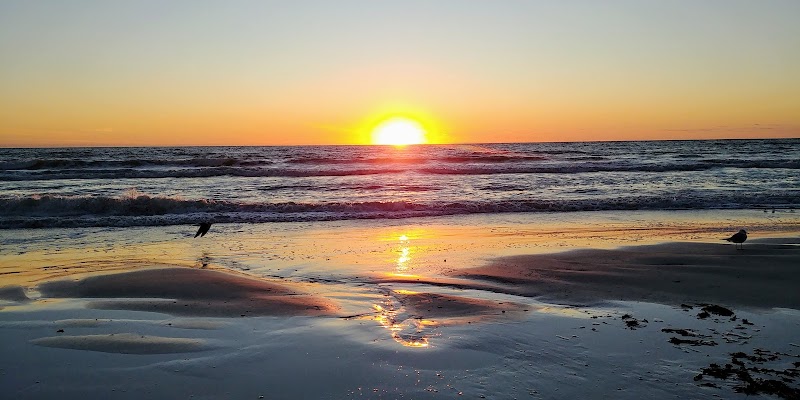
Sarasota’s coastal edges and inland preserves offer a dynamic stage where nature puts on a show, especially at sunset. Knowing when to arrive can mean the difference between a fleeting glance and a memorable encounter with wildlife as the sun dips below the horizon.
Timing is everything here. The best window for wildlife viewing generally aligns with the golden hour—the hour before and just after sunset—when animals like bald eagles, ospreys, and dolphins become more active or visible. Between 6 PM and 7:30 PM, depending on season, creatures stir from their daytime routines, guided by the cooling air and shifting light.
Choose locations such as the Celery Fields or the Boca Grande Causeway, where flat trails and open waters let you absorb the shifting colors in the sky while scanning for birds, manatees, or even the occasional bobcat. The terrain is mostly level, with walking distances averaging 2 to 4 miles round trip. Expect grass-lined paths that hum with cicadas and pockets of marshland where the air tastes of salt and earth. A light breeze often accompanies the sunset, making it a refreshing time to be outside.
For preparation, bring layered clothing because temperatures drop quickly after sunset in Sarasota. Good walking shoes with grip are essential as some trails get muddy after rains. Hydration matters—carry at least half a liter of water per hour of activity even if humidity feels forgiving. Binoculars or a camera with zoom will enhance your viewing, but remember, the goal is engagement, not just documentation.
While sunset paints the sky, wildlife moves with purpose but not haste. Herons stalk quietly, the wind stirs mangroves that seem to gesture, inviting respect and quiet observation. The interplay between light and life highlights Sarasota’s wild pulse—an experience firmly rooted in place and moment.
Timing your arrival 45 minutes before sunset maximizes your chance to witness this subtle drama unfold. Stick around until twilight deepens; nocturnal creatures like owls and frogs start their own performances then.
Finally, respect local guidelines. Stay on trails, avoid flash photography, and keep distance from wildlife to maintain the natural balance that makes Sarasota’s sunset and wildlife viewing so rewarding. Your adventure here isn’t about conquering nature, but partnering with its rhythms—fiercely itself, always.
Nearby Trips
All Adventures
Boat Charters
Water Activities
Adventures near Sarasota
Discover the unique and memorable adventures that make Sarasota special.
Frequently Asked Questions
When is the best time to see dolphins during sunset in Sarasota?
Dolphins often appear around 30 to 45 minutes before sunset, primarily near outlets and coastal causeways like Boca Grande, when cooler water currents bring them closer to shore.
Are there any safety concerns when hiking near Sarasota’s wetlands at sunset?
Yes, be cautious of uneven terrain, occasional muddy patches, and local wildlife such as snakes or alligators. Stay on marked trails and avoid approaching animals.
Can I bring pets to wildlife viewing spots during sunset?
Most wildlife preserves in Sarasota restrict pets to prevent disturbance. Check local rules for specific areas, but generally it’s best to experience these habitats pet-free.
Which Sarasota locations offer the best sunset views combined with wildlife sightings?
The Celery Fields, Myakka River State Park, and Boca Grande Causeway are top choices, providing water vistas and varied birdwatching opportunities.
Is photography allowed during sunset hikes in Sarasota?
Yes, photography is encouraged but avoid flash to prevent stressing wildlife. Using natural light enhances images of both landscape and animals.
How long should I plan to spend watching wildlife after sunset?
Plan to stay for at least 30 minutes post-sunset; twilight is active for nocturnal species like owls, frogs, and marsh mammals that begin their routines as light fades.
Recommended Gear
Sturdy Walking Shoes
Provides reliable footing across mixed grassy and marshy terrains common in Sarasota’s wildlife areas.
Binoculars
Essential for spotting birds and marine animals at distance, enhancing your wildlife observation experience.
Light Jacket or Layered Clothing
Helps manage temperature shifts during and after sunset, especially important in cooler seasons.
Reusable Water Bottle
Staying hydrated is critical in warmer months to maintain energy and focus on the trail.
Local Insights
Hidden Gems
- "The rarely visited south loop of the Celery Fields offers quiet observation points free from crowds."
- "Oscar Scherer State Park has secluded spots where bobcats and armadillos roam near dusk."
Wildlife
- "Bald eagles patrol the skies above Sarasota’s rivers demanding attention."
- "Manatees gather near warm water outlets during cooler months, often willing to pause long enough for a careful viewer."
History
"Sarasota’s wetlands have been integral to the Calusa people and early settlers, evolving from subsistence wetlands to protected preserves vital for water filtration and biodiversity."