Tuning Your Ride: Optimizing Bike Settings for Comfort on Sonoma's Scenic Routes
Sonoma's scenic bike routes invite riders to experience rolling hills, twisting forest paths, and vineyard-lined roads. Learn how to adjust your bike settings for comfort and control, ensuring a smooth ride through some of Northern California's most engaging terrain.
Adjust Saddle Height Precisely
Set your saddle so your legs have a slight bend at the bottom of each pedal stroke to avoid strain during longer rides.
Choose Tire Pressure Smartly
Lower tire pressure for loose, dirt surfaces enhances traction, while higher pressure suits pavement for faster rolls.
Hydrate Early and Often
Pack extra water as Sonoma’s sun can shift rapidly; aim for two liters on longer routes to maintain steady energy.
Check Brake Responsiveness
Ensure brakes are finely tuned; forested descents and tight corners demand dependable stopping power for safety.
Tuning Your Ride: Optimizing Bike Settings for Comfort on Sonoma's Scenic Routes

7-Day Bike Rental | Sonoma
25% Discount!
Discover the stunning landscapes and charming streets of Sonoma on a flexible 7-day bike rental. Perfect for outdoor enthusiasts looking to explore California's premier wine country at their own pace.
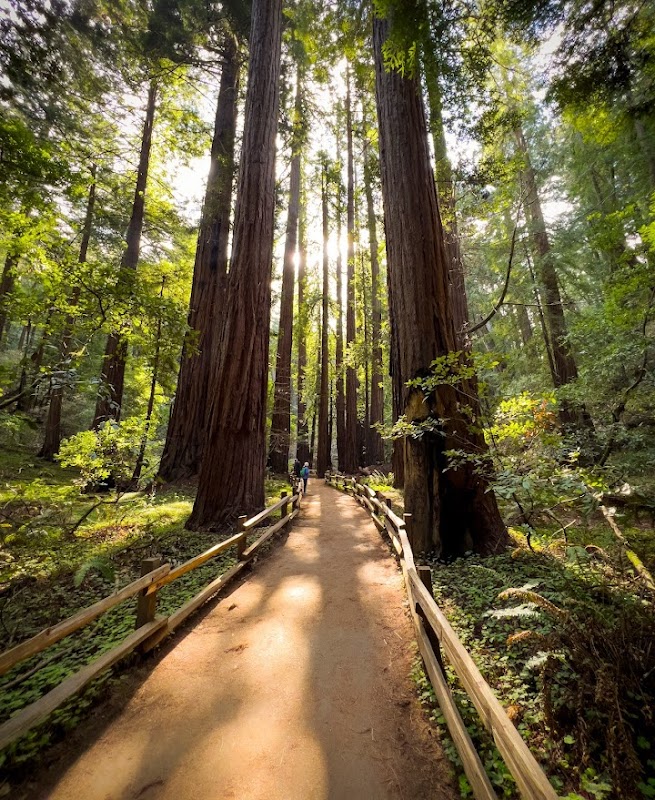
Sonoma’s scenic bike routes stretch across rolling vineyards, sun-dappled forests, and gentle hills that push against the horizon—a terrain that demands more than just enthusiasm. To ride comfortably here, especially on trails weaving through the Sonoma Coast and Russian River areas, optimizing your bike’s settings is crucial. Expect distances from 15 to 40 miles on these routes, with elevation gains typically between 500 to 1,200 feet, presenting a varied challenge that will test your setup as much as your stamina.
First, start with your saddle height—it's key to avoiding knee strain over long rides. Adjust it so your leg extends almost fully at the pedal's lowest point but with a slight knee bend remaining. Next, check your handlebar position; a moderately raised handlebar reduces back fatigue and offers better control on downhill stretches where wind gusts dare to push you off course.
Tire pressure requires attention too. Sonoma’s trails vary—paved, gravel, and packed dirt—each calling for slightly different pressures. Lowering your tire pressure slightly improves grip on forested or dirt paths where loose rocks and roots try to grab your tires. Around 40-50 psi often hits the sweet spot.
Gearing is a silent partner on these rides. Many routes feature gradual climbs that are firm but not relentless. A wide gear range, including lower gears, ensures you won’t be forced into brute power, letting you conserve energy for longer days.
Hydration and comfort go hand in hand. Sonoma’s climate can shift quickly, with coastal fog fading into dry afternoon heat. Use frame-mounted bottle cages and a hydration pack to stay fueled. Closed-vent shoes offer more protection from dust and occasional brush without overheating.
Timing your rides early in the morning captures cooler air and softer light—ideal for absorbing the forests’ personalities and the vineyards’ slow morning stretch. Many routes pass quiet farms and hidden creeks where currents ripple softly, seeming to invite a moment’s pause.
Set your suspension (if you have it) to a softer setting for uneven paths and firmer on pavement stretches to balance comfort and efficiency. Finally, ensure your brakes react crisply—steep dips and tight corners are common and require dependable stopping power.
When all these elements come together, what you get is not just a ride through landscape but an exchange with it. The trails don’t just wind through; they challenge and reward in equal parts, asking respect for the fierce, alive terrain. With your bike dialed in, you meet Sonoma’s routes well-prepared, ready to enjoy the adventure as much as the views.
Nearby Trips
All Adventures
Boat Charters
Water Activities
Adventures near Santa Rosa
Discover the unique and memorable adventures that make Santa Rosa special.
Frequently Asked Questions
What’s the best way to prepare my bike tires for Sonoma’s mixed terrain?
Given Sonoma’s mix of pavement, gravel, and dirt, use hybrid tires inflated to 40-50 psi. This reduces puncture risk while providing adequate grip on loose surfaces.
Are e-bikes a good choice for Sonoma routes?
Yes, e-bikes excel here by lessening climbing fatigue, especially on the routes with up to 1,200 feet elevation gain. Just ensure battery range matches your planned distance.
Where can I find lesser-known viewpoints along Sonoma routes?
Many riders miss the narrow lookout points above the Russian River near Forestville, where tree canopies frame sweeping valley views with minimal crowds.
What wildlife should I watch for while riding in Sonoma?
Keep an eye out for deer that emerge in early morning or dusk and occasional wild turkeys near forest edges; they are curious but tend to respect riders’ space.
Is it safe to ride during foggy mornings?
Fog adds moisture and reduces visibility; use front and rear lights, wear bright clothing, and slow your pace on steep descents to stay safe.
How can I protect the environment while biking these trails?
Stick to designated routes to avoid erosion, carry out all trash, and avoid disturbing local flora, especially during spring wildflower season.
Recommended Gear
Adjustable Saddle
Allows fine-tuning saddle height and tilt for long-term comfort and injury prevention.
Hybrid or Touring Tires
Designed for mixed surfaces, they balance grip and speed across Sonoma’s pavement and gravel.
Hydration Pack
Supports carrying extra water and snacks, especially critical in warm months with limited roadside resources.
Light Windbreaker
Protects against early morning chill and gusts that can catch riders unprepared on open stretches.
Local Insights
Hidden Gems
- "Martinelli Preserve trails offer quiet woodland rides away from busier roads."
- "Pomo Canyon Picnic Area has a rustic setting with shaded spots overlooked by rugged cliffs."
Wildlife
- "Black-tailed deer often frequent vineyard edges at dawn."
- "Northern Pacific rattlesnakes sun themselves on rocky clearings in early spring."
History
"Sonoma’s landscape was shaped by native Pomo and Coast Miwok peoples, followed by 19th-century ranchers who carved the hills into vineyards, maintaining elements of traditional routes used even today."