
The Wekiva River offers a kayaking experience that dynamically shifts with its water levels and seasons, inviting paddlers to adapt and engage deeply with its flowing personality. Discover how to time your adventure and read the river’s mood to maximize both safety and enjoyment on this scenic Central Florida waterway.
Check Recent Rainfall Before Launch
The river swells swiftly after rains, which can change currents and expose new obstacles. Monitor local weather and river gauge reports to avoid unexpected conditions.
Early Morning Launches for Optimal Water Flow
Start paddling at dawn to take advantage of the freshest currents and quieter wildlife activity, setting a steady pace before the heat of day.
Wear Water-Resistant Footwear with Good Grip
The river features slippery banks, submerged logs, and rocky entry points. Footwear that stays secure when wet improves safety during entry and exit.
Pack Hydration and Bug Protection
Florida’s humidity and mosquito presence can drain energy and focus; bring sufficient water and insect repellent to maintain comfort throughout your paddle.
Navigating the Currents: Timing and Water Conditions for Optimal Wekiva River Kayaking

Private Wekiva River Tour
Minimum of 5 people • 5 Hours • Available daily at 8:30pm or 11pm
Discover the serenity of the Wekiva River with a private kayaking trip. Perfect for all skill levels, this guided tour offers stunning scenery and wildlife encounters in Florida’s natural paradise.
The Wekiva River invites paddlers to engage with a waterway that is as lively as it is serene. Kayaking here is an experience of rhythm—the river dares you to read its mood, flowing steady or surging swift with rainfall. Timing your trip carefully and understanding the water conditions can transform your journey from a simple paddle to a seamless adventure filled with discovery and confidence.
Spring and early summer bring higher water levels from seasonal rains, swelling the river and occasionally quickening currents. This pulse brightens the Wekiva’s presence, encouraging paddlers to harness a more dynamic flow. Ideal for intermediate kayakers comfortable with gentle swells, this season gives watercraft newfound momentum, pushing forward beneath the canopy of live oaks and cypress trees.
By late summer and early fall, water levels drop as rainfall declines. The river slows and stretches, exposing sandy banks and hidden oyster beds. This period favors beginners and those seeking a calm, steady navigation where the water’s surface mirrors the sky’s shifting colors. Dawn and dusk become special times, when wildlife silently navigates the edges—otters slip through narrow channels, and herons strike statuesque poses.
Winter months often reveal the clearest water, cooled and brisk. The river hovers in calm, almost reflective silence, less crowded and fiercely quiet. Yet low water can expose snags and fallen branches, making careful route selection a priority. A padded kayak or sit-on-top design fares best here, and the cool air demands layered clothing that protects without restricting motion.
Tides barely influence the Wekiva, but sudden rains upstream can swell the river unexpectedly. Always check recent weather patterns and gauge reports before loading your kayak. Early morning launches let you claim the freshest currents before the sun nudges the river to a slower tempo. Midday paddling often reveals a softer, more introspective river, perfect for observing the light filtering through the canopy.
Distances vary by chosen route—from short 2-4 mile explorations that wind through tight bends and lush flora, to more ambitious 10-mile stretches that test endurance and skill. The terrain alongside the river challenges paddlers with occasional submerged logs and narrow passages, demanding focus and careful maneuvering but rewarding with secluded wildlife encounters and quiet respite.
Preparation goes beyond the kayak. Hydration is non-negotiable—carry at least two liters, as the humid air and steady paddling dehydrate quickly. Footwear should be secure and water-friendly; think neoprene booties or sturdy sandals with grip. Sunscreen and insect repellent form a practical shield against Florida’s sun and mosquitoes, each eager to remind you nature isn’t passive.
Respect for the river’s moods is key. Wekiva doesn’t yield to force, but responds to awareness. When the current whispers easy, match its rhythm. When it tightens, brace and navigate with measured strokes. Kayaking here is a conversation with water that insists on respect—an honest, invigorating engagement with a force that remains fiercely itself.
Nearby Trips
All Adventures
Boat Charters
Water Activities
Adventures near Sanford
Discover the unique and memorable adventures that make Sanford special.
Frequently Asked Questions
What water conditions are best for beginners on the Wekiva River?
Late summer and early fall, when water levels are lower and currents calmer, provide ideal conditions for beginners. The river is more tranquil with fewer obstacles near the surface, allowing new paddlers to focus on building their skills in a forgiving environment.
Are there any safety concerns related to wildlife when kayaking here?
While the Wekiva River hosts diverse wildlife, including turtles, otters, and birds of prey, direct encounters rarely pose danger. However, be cautious of alligators, especially near river edges and shaded spots. Maintain distance, avoid feeding animals, and stay alert.
How do recent rains affect kayaking trips on the Wekiva River?
Heavy rains upstream can cause rapid rises in water level and stronger currents, sometimes flooding access points or altering navigation routes. It’s essential to check local weather forecasts and river gauges to avoid dangerous swift water or floating debris.
What is the typical duration of a popular kayaking route on this river?
Most paddlers complete common routes ranging from 4 to 8 miles in about 2 to 5 hours, depending on experience and water conditions. The leisurely pace also allows time for wildlife observation and short breaks.
Are there spots along the river that provide particularly good wildlife viewing?
Areas around rock springs and narrow bends near moss-draped cypress groves are hotspots for spotting river otters, great blue herons, and occasionally bald eagles. Dawn and dusk offer the best chances for active wildlife encounters.
Is there a best time of day to avoid crowds on the Wekiva River?
Early mornings and weekday visits tend to be less crowded, offering a quieter paddle. Late afternoon can also be quieter once day trippers head home, though wildlife activity increases at these times as well.
Recommended Gear
Personal Flotation Device (PFD)
Mandatory for safety; choose a comfortable, properly fitted model designed for kayaking.
Water-Resistant Footwear
Protects feet and improves traction on slippery riverbanks and when entering/exiting the kayak.
Hydration Pack or Water Bottle
Prevents dehydration by offering easy access to fluids during warm, humid paddling.
Lightweight Layered Clothing
Allows adjustment to fluctuating temperatures, keeping paddlers comfortable in cooler seasons without restricting motion.
Local Insights
Hidden Gems
- "The hidden hollow cove near Rock Springs featuring a shallow inlet perfect for a brief rest and swim."
- "A secluded access point near the Kayak Outpost that allows exploration into offshoot creeks rarely traveled."
Wildlife
- "River otters playing just below the surface."
- "Great horned owls occasionally heard stirring at dusk."
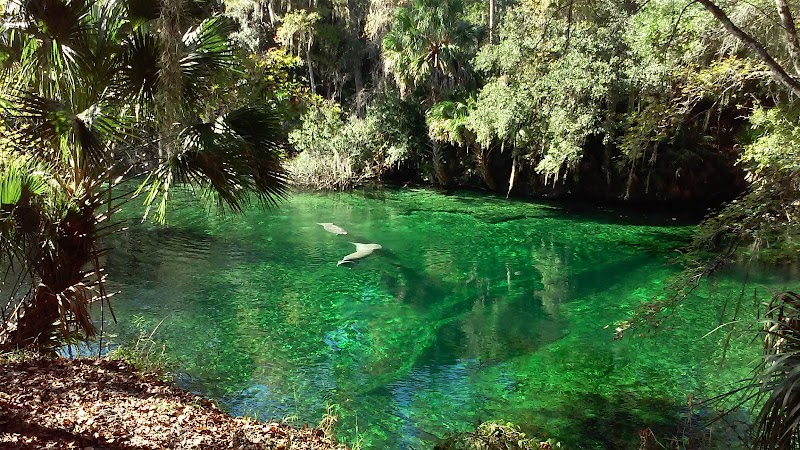
- "Manatees during cooler months in the warmer spring-fed sections."
History
"The Wekiva River corridor holds significance to the Seminole and Timucua tribes, whose trails and settlements once traced its banks. Later, it served as a vital transportation route for early settlers moving through Central Florida’s wetlands."