
The Emerald Cut route through Rock Springs Run offers photographers a rare chance to capture Florida’s wild waterways alive with ancient cypress trees and abundant wildlife. This guide balances essential photo advice with practical tips to help adventurers prepare for an unforgettable kayak journey.
Secure Your Gear Against Moisture
Use waterproof cases or dry bags to protect your camera and accessories from splashes and sudden water exposure throughout the kayak journey.
Start at Dawn for Best Lighting
Paddling early provides soft, directional light ideal for deep greens and textured surfaces—perfect for high-quality images.
Wear Appropriate Water Footwear
Opt for sturdy, non-slip water shoes to maintain footing on wet banks or rocky stretches during quick photo stops.
Carry a Polarizing Filter
A polarized lens reduces glare on the water’s surface, revealing submerged details and enriching colors.
Photography Tips for Capturing the Lush Scenery of Rock Springs Run’s Emerald Cut Kayak Journey

Emerald Cut Kayak Adventure
Ages 2+ • About 2 Hours • Great for any Paddlers!
Discover the stunning waters of Lake Apopka with King's Landing's private Emerald Cut Kayak Adventure. Enjoy peaceful paddling through clear waters, wildlife viewing, and personalized guidance in this exclusive outdoor experience.
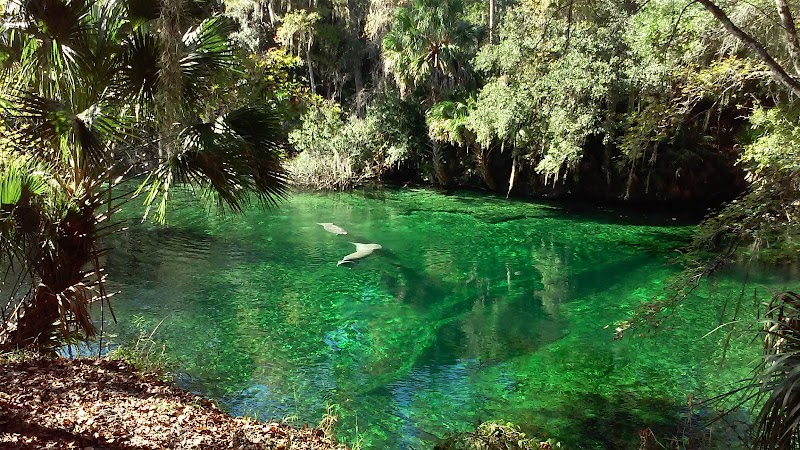
The Emerald Cut route on Rock Springs Run invites photographers to engage deeply with a landscape that moves and breathes around you. This kayak journey covers roughly 9 miles of winding waterway, where the river dares you onward, cloaked in towering cypress trees draped with moss and framed by wild underbrush. During this 3-5 hour paddle, lens and light intersect with environments fiercely themselves—low-hanging branches, gentle currents, and spots of sunlight that scatter like liquid gold across the ripples.
To transform this lush environment into compelling images, preparation is key. Start by protecting your camera gear with waterproof casing or dry bags, since the current won’t hesitate to test your grip. Early morning is prime time: the light is soft and angled low, filtering through leaves to create tactile textures and rich greens. Midday can flatten the scene, so seek shaded stretches under the canopy or switch focus to intricate details—gnarled roots, woodpecker holes, or darting fish highlights.
Footwear for portages matters more than you’d expect since impromptu stops to frame shots may lead you onto slippery rocks or muddy banks. Quick-dry, sturdy water shoes provide balance and comfort without sacrificing dexterity. Hydration is non-negotiable; the humid Florida air blankets you during extended shoots, and the physical effort keeps your heart working. Pack light but smart: polarized lenses reduce glare off the water, enhancing contrast in reflections and revealing underwater textures.
Consider using a wider aperture to catch the dynamic range of light and shadow under the tree canopy. A tripod with flexible legs can anchor your shots on uneven ground or deck of your kayak but weigh it against your overall gear load. Capturing wildlife requires patience and an expert eye; herons and otters drift silently, while turtles sunbathe motionless on fallen logs, all forming excellent subjects to accompany broader landscape images.
The Emerald Cut kayak journey isn’t just a paddle—it’s an interaction with a landscape that commands respect and rewards careful observation. By balancing practical preparation with a mindset attuned to nature’s moods, your photos can reflect an experience both adventurous and real, a record of an unleashed world where water and forest meet in bold, humid embrace.
Nearby Trips
All Adventures
Boat Charters
Water Activities
Adventures near Sanford
Discover the unique and memorable adventures that make Sanford special.
Frequently Asked Questions
What is the best time of day for photography on the Emerald Cut kayak route?
Early mornings are optimal due to soft, angled natural light filtering through the foliage, creating vivid colors and interesting shadows. Late afternoon can also offer warm hues but be mindful of evening insects and diminishing light.
Are there any difficult portages or spots along the route for kayakers?
The trail has some short portages around shallow or obstructed sections, generally over flat terrain. These spots require lifting your kayak but no steep or technical climbs.
Can I capture wildlife during the paddle? Which animals are common?
Yes, Rock Springs Run is home to herons, otters, turtles, and occasional alligators. Early mornings increase chances of spotting wildlife as many species are more active then.
Is it safe to kayak here during summer thunderstorms?
Afternoon storms are common in summer; plan to start early and finish before late afternoon. Always check weather forecasts and be prepared to find shelter quickly if storms develop.
What camera settings work best for photographing the run’s dense greenery?
Use a wide aperture (f/2.8–f/5.6) to isolate subjects and manage low light, with a faster shutter when capturing wildlife movement. A polarizing filter will help control reflections and boost color saturation.
Are there any permit or access fees to kayak Rock Springs Run?
Permits are usually required for launching at state parks or managed sites. Confirm with local authorities or the nearest state park managing access points before your trip.
Recommended Gear
Waterproof Camera Case or Dry Bag
Keeps sensitive equipment dry from splashes and unexpected submersion during kayaking.
Polarizing Filter
Reduces water glare and enhances colors for clearer, richer photographs on reflective surfaces.
Non-Slip Water Shoes
Provides traction on slick rocks and wet banks during stops off the kayak.
Lightweight Tripod with Flexible Legs
Enables stable shots during slow exposures or low light, adaptable to uneven terrain or kayak deck.
Local Insights
Hidden Gems
- "A secluded cove where woodpeckers drum and tree frogs call, ideal for close-up nature photography."
- "Small limestone outcrops that offer unique vantage points over the water's edge, often overlooked by typical paddlers."
Wildlife
- "Great blue herons fishing in sunlit shallows."
- "River otters weaving through underwater tunnels."
- "Florida softshell turtles basking on logs."
History
"Rock Springs Run has long been a water route important to native Creek peoples and early Florida settlers, shaping local culture and environmental stewardship traditions."