Mastering Photography Safety and Wildlife Etiquette at San Marcos’s Scenic Waters
San Marcos’s Scenic Waters deliver a dynamic adventure that merges vivid river views with rich wildlife encounters. Learn how to photograph breathtaking moments safely while honoring the delicate ecosystem that defines this unique hiking experience.
Stick to Designated Trails
Avoid damaging fragile riverbanks and habitats by staying on marked paths, reducing erosion and minimizing wildlife disturbance.
Maintain Safe Distances from Wildlife
Use zoom lenses to photograph animals without approaching. Disturbance risks altering their natural behavior and endangering both you and the animal.
Prepare for Slippery Terrain
Wear non-slip, waterproof hiking boots to safely navigate slick rocks and muddy banks near the water’s edge.
Time Your Visit Around Low Light
Plan sessions during early morning or late afternoon to capture optimal natural lighting and avoid the midday heat.
Mastering Photography Safety and Wildlife Etiquette at San Marcos’s Scenic Waters

Private San Marcos Clear Kayak Tours
about 1 hour and 15 minutes • Ages 6+
Discover the crystal-clear waters of San Marcos from a fresh perspective with private guided kayak tours. Glide in transparent kayaks and encounter Texas wildlife up close in a serene setting designed for groups. Perfect for all skill levels, this adventure offers intimate access to one of Texas’s most scenic rivers.
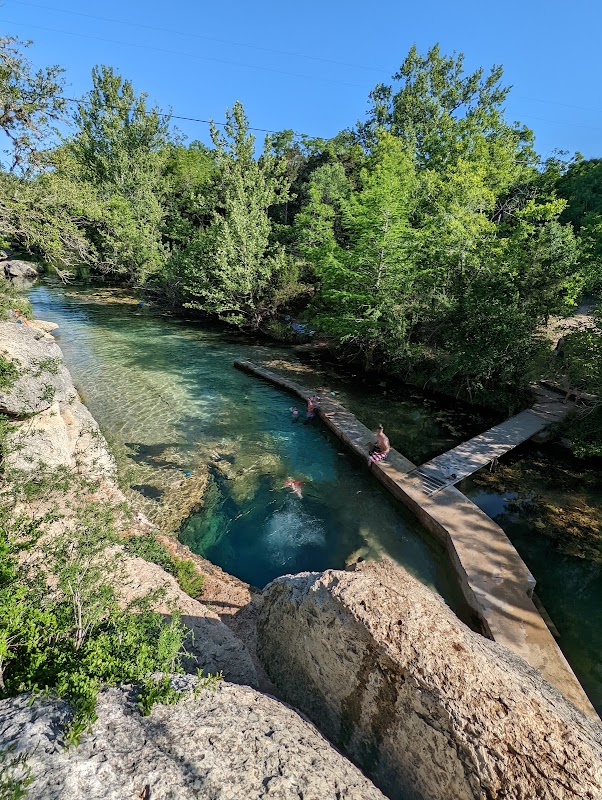
San Marcos’s Scenic Waters offer an adventurous playground where rivers challenge your courage and forested trails hum with life. This 5.5-mile loop trail presents an elevation gain of around 600 feet, threading through mixed terrain—gravel paths giving way to mossy banks and occasional rocky outcrops. The river, at times playful and at others fierce, moves with a will of its own, daring hikers and photographers to respect its flow.
Photography here is a balance between patience and precision. Golden hours in early morning and late afternoon spotlight the water’s sparkle and the delicate wings of dragonflies skimming its surface. Yet, capturing these moments demands care—stay on clearly marked paths to avoid fragile banks or slipping hazards, and always keep a safe distance from wildlife. Sharp lenses and zoom capabilities help document fragile creatures without intrusion, preserving their space and your safety.
Wildlife encounters are frequent but fleeting. Great blue herons stand like statues, their gaze timeless, while otters weave through waterways, playful yet watchful. Approaching these creatures requires respect and restraint. Sudden movements or loud noises scatter them, cutting short possible photographic opportunities and disrupting their natural rhythms.
Preparation is key. Wear waterproof boots with good grip for river-adjacent terrain that’s often slick. Pack at least 2 liters of water per person; this humid environment under the canopy can dehydrate you faster than expected. Timing your visit outside midday heat preserves energy and enhances the quality of light for photos. A compass or GPS app is valuable—trail signs can be sparse, and the dense forest blurs landmarks.
Remember that this environment is fiercely itself—its currents, wildlife, and trails offer no guarantees or shortcuts. Respect its tempo and it will reward you with scenes that speak louder than words. In this dance of shutter and nature, your role is both observer and guardian, preserving the scenic waters and their inhabitants for journeys yet to come.
Nearby Trips
All Adventures
Boat Charters
Water Activities
Adventures near San Marcos
Discover the unique and memorable adventures that make San Marcos special.
Frequently Asked Questions
Are there any restricted areas for photography around San Marcos’s Scenic Waters?
Yes. Certain sections near wildlife nesting sites are off-limits to protect sensitive species. Check local guidelines and signs before setting up your equipment.
How close can I safely get to the animals while photographing?
Maintain a minimum distance of 25-30 feet for most wildlife. Use optical zoom lenses to preserve natural behavior and avoid startling the animals.
What are the signs of dangerous river conditions to watch for?
Rapidly rising water levels, murky currents, or unusual debris indicate a risky river state. Avoid crossing or getting too close when these conditions occur.
Is drone photography allowed in this area?
Drone use is generally prohibited to avoid disturbing both wildlife and other visitors. Always verify current local regulations before flying any unmanned devices.
What measures help protect the environment while visiting?
Practice Leave No Trace: pack out all trash, avoid disturbing plants or animals, and use existing trails to prevent habitat damage.
Are there guided tours to improve wildlife photography here?
Several local outfitters offer guided hikes focused on photography and wildlife education, enhancing safety and encounter success.
Recommended Gear
Waterproof Hiking Boots
Protect feet from wet, slippery terrain and provide necessary grip on rocks and muddy trails.
Zoom Lens Camera
Allows photographing wildlife from a distance without disturbing them, ensuring safer and better shots.
Hydration Pack
Keeps water accessible during warm months; prevents dehydration on long hikes under the sun.
Layered Clothing
Enables adaptation to temperature changes, especially during chilly mornings and evenings.
Local Insights
Hidden Gems
- "The Whispering Cove viewpoint—an overlooked spot with panoramic river views"
- "A small waterfall south of the main trail that attracts colorful kingfishers"
Wildlife
- "River otters"
- "Great blue herons"
- "White-tailed deer"
- "Dragonflies and damselflies"
History
"This region has long been a gathering place for indigenous communities, who respected the river as a source of life and sustenance."