Navigating San Francisco’s Streets: Accessibility Tips for Inclusive Urban Biking
San Francisco’s diverse neighborhoods offer an exciting and accessible urban biking experience for riders of all abilities. From flat, approachable routes to tech-enabled adaptive bikes, this guide will help you navigate the city’s hills and streets with confidence and ease.
Use Adaptive Bikes and E-Bikes
Consider adaptive cycles or electric assist bikes to tackle steep hills and longer distances more easily, especially in hilly neighborhoods like Nob Hill and Russian Hill.
Plan Routes on Flatter Neighborhoods
Stick to flatter areas such as the Mission District or Marina for less physically demanding rides and smoother sidewalks that improve accessibility.
Cross Streetcar Tracks Carefully
Always cross tracks at a right angle to avoid your wheels getting caught, a crucial tip for trikes and handcycles to prevent accidents.
Timing Your Ride During Off-Peak Hours
Ride early morning or late evenings to avoid heavy traffic and crowded sidewalks, making the journey safer and more relaxed.
Navigating San Francisco’s Streets: Accessibility Tips for Inclusive Urban Biking
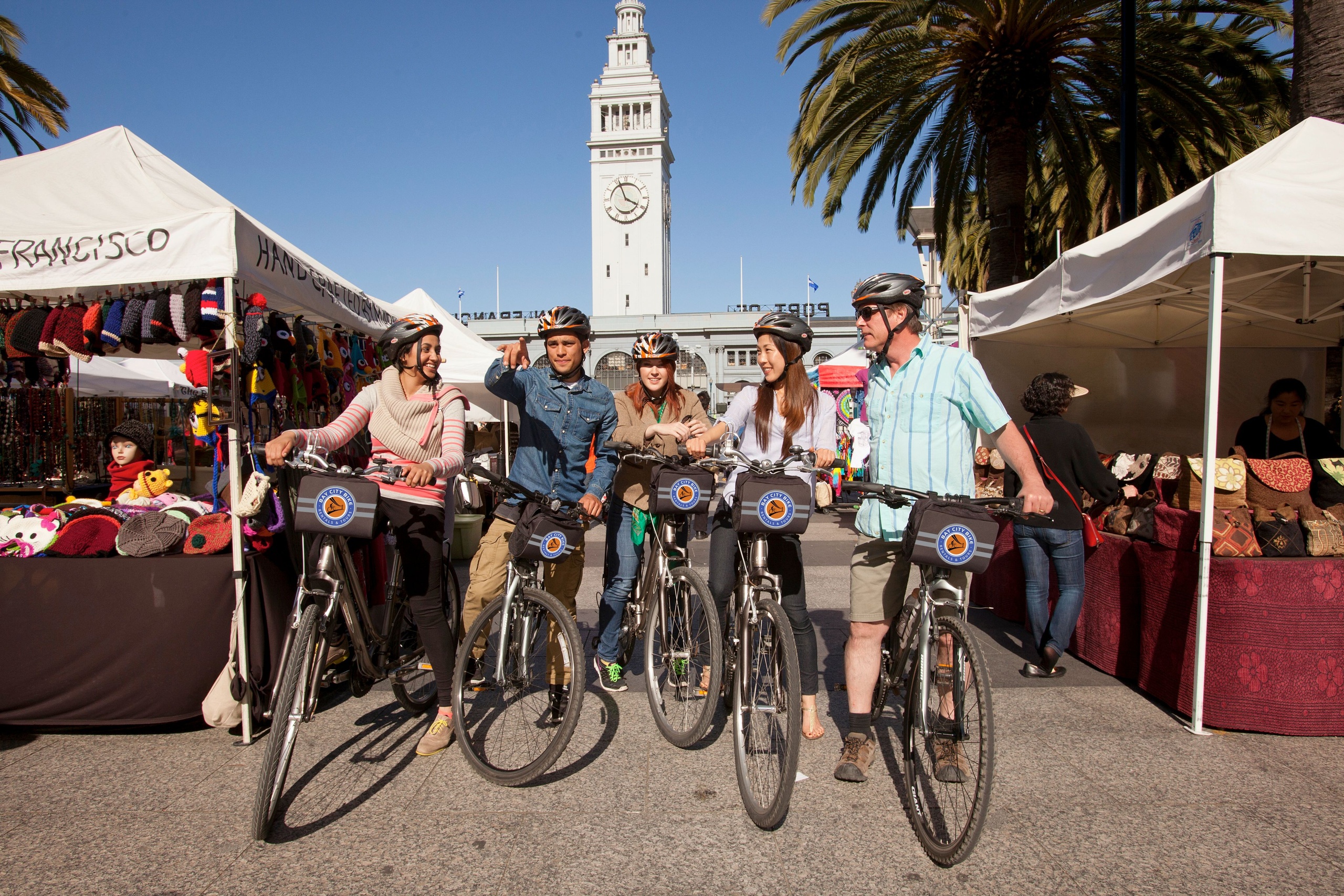
Streets of San Francisco Tour
3 to 4 Hours - Ages 13 & up - Add your bike to the cart to see your discount
Discover San Francisco's most iconic sights on a private bike tour that combines scenic routes with rich history. Perfect for travelers looking for a personalized outdoor experience in the city by the bay.
San Francisco’s diverse neighborhoods offer a vibrant, textured playground for urban biking, but accessibility can vary significantly as you move through this city’s hills and streets. The goal of urban biking here isn’t to conquer the environment but to engage with it – with streets that push you forward and sidewalks that invite a slower pace. For riders with mobility challenges or adaptive needs, planning ahead can transform potentially intimidating terrain into an empowering daily adventure.
Start with the city’s accessible bike infrastructure. The Vision Zero network has driven progress in creating protected bike lanes that offer safer passage through busy thoroughfares like Market Street, Valencia, and the Embarcadero. Not all areas are created equal; neighborhoods like the Mission and the Marina provide flatter routes with smoother pavement, while areas such as Nob Hill and Russian Hill test your strength with steep climbs and uneven surfaces.
To maintain accessibility, many city programs offer adaptive bikes and trikes, including handcycles and e-bikes, which have a critical role in leveling the playing field on steeper hills. The SF Bike Coalition is a valuable resource for locating bike options tailored to individual abilities. Beyond equipment, wheelchair-accessible public transit with bike racks (notably Muni buses and light rail) can extend your range and ease access to different neighborhoods.
Buffeted by coastal winds or warmed by urban sun, San Francisco demands practical gear choices; layers to manage foggy mornings, and puncture-resistant tires to handle the city’s patchwork of pavement and cobblestone. Hydration stations are scattered but planning your water stops or carrying a hydration pack will keep you moving steady.
Key to inclusive biking is understanding the environment’s rhythms and challenges. Timing your rides for off-peak hours mitigates traffic stress, while familiarizing yourself with specific street crossing signals ensures safe passage for all riders. Streetcar tracks, often the unexpected hazard, politely dare your tires to dance—they require careful crossing at right angles to avoid accidents, especially for adaptive cycles.
San Francisco’s neighborhoods don’t just welcome riders; they have character acting almost like riding partners. The chilly fog of Tenderloin cools the exertion, while the vibrant murals of the Mission pulse alongside your ride. Respect the city’s fierce individuality by planning routes that suit your comfort and pushing forward when you feel ready. Inclusive urban biking here is less about speed and more about connection—to community, environment, and your own limits.
Nearby Trips
All Adventures
Boat Charters
Water Activities
Adventures near San Francisco
Discover the unique and memorable adventures that make San Francisco special.
Frequently Asked Questions
What neighborhoods in San Francisco offer the most accessible bike routes?
Flatter neighborhoods such as the Mission District, Marina, and parts of SoMa have smoother surfaces and gentle terrain ideal for accessible biking, whereas areas like Nob Hill have steeper grades that require extra fitness or adaptive assistance.
Are there city programs that provide adaptive bikes for Rent or Loan?
Yes, San Francisco’s local organizations such as the SF Bike Coalition and Adaptive Cycling Programs partner with agencies to provide handcycles, tricycles, and e-bikes for riders with disabilities.
How do I safely cross the historic streetcar tracks while biking?
Always slow down and cross streetcar tracks at a perpendicular angle (about 90 degrees) to avoid your wheels or tires getting caught. This is particularly important for trikes and handcycles with wider wheelbases.
Is public transit bike-friendly in San Francisco for multi-modal trips?
Muni buses and light rail services offer bike racks and allow folding bikes onboard, making it easier to negotiate longer rides or accessibility-challenging neighborhoods.
What are some lesser-known spots to experience while biking in the city?
Check out the hidden stairway routes in the Outer Sunset or the quiet green corridors of Glen Canyon Park which provide scenic alternatives to busy streets.
Are there wildlife or environmental considerations in urban biking here?
While mostly urban, parks like Golden Gate Park and the Presidio are home to local wildlife such as hawks, raccoons, and migrating birds. Staying on designated bike paths helps reduce habitat disturbance.
Recommended Gear
Adaptive or Electric Bike
Provides balance support and assists in climbing San Francisco's challenging hills.
Helmet with Reflective Elements
Enhances rider safety and visibility in urban traffic at all times.
Layered Waterproof Clothing
Protects from sudden coastal fog, dampness, and rain during cooler months.
Hydration Pack or Bottle
Keeps you hydrated on longer rides, especially under the summer sun.
Local Insights
Hidden Gems
- "16th Avenue Tiled Steps near Sunset District"
- "Glen Canyon’s forested bike trails"
- "Aurora Stairs connecting neighborhoods"
- "Crissy Field coastal route with bay views"
Wildlife
- "Red-tailed hawks often soar above Golden Gate Park"
- "Harbor seals can be spotted near Crissy Field"
- "Urban raccoons emerge at dusk in quieter parks"
History
"San Francisco’s bike culture reflects decades of urban evolution, with the 1960s counter-culture driving early adoptive cycling movements and ongoing Vision Zero initiatives aiming to create safer streets for all users."