Mastering Timing Techniques for Freedive Safety at La Jolla
Discover how precise timing can transform your freediving experience at La Jolla, where ocean currents shape both risk and reward. Learn practical strategies for reading tides, managing dive times, and enhancing safety while exploring this breathtaking coastline.
Dive During Slack Tide
Plan dives around slack tide windows to benefit from minimal currents and improved visibility, reducing underwater hazards significantly.
Use a Dive Watch or Computer
Keep precise track of your bottom time and surface intervals to avoid hyperventilation risks and aid safe ascent timing.
Always Dive With a Buddy
A partner enhances safety through surface monitoring, assistance in emergencies, and shared observation of ocean conditions.
Hydrate and Rest Properly
Prevent fatigue and dehydration, which can impair judgment and reflexes critical for freedive safety.
Mastering Timing Techniques for Freedive Safety at La Jolla

Group Line Diving
Ages 15+ • 2 to 3 Hours • Unforgettable experience!
Discover an exclusive scuba diving experience in La Jolla with Just Get Wet. Perfect for all skill levels, this private adventure immerses you in California’s vibrant underwater world. Learn, explore, and enjoy personalized guidance on this unforgettable trip.
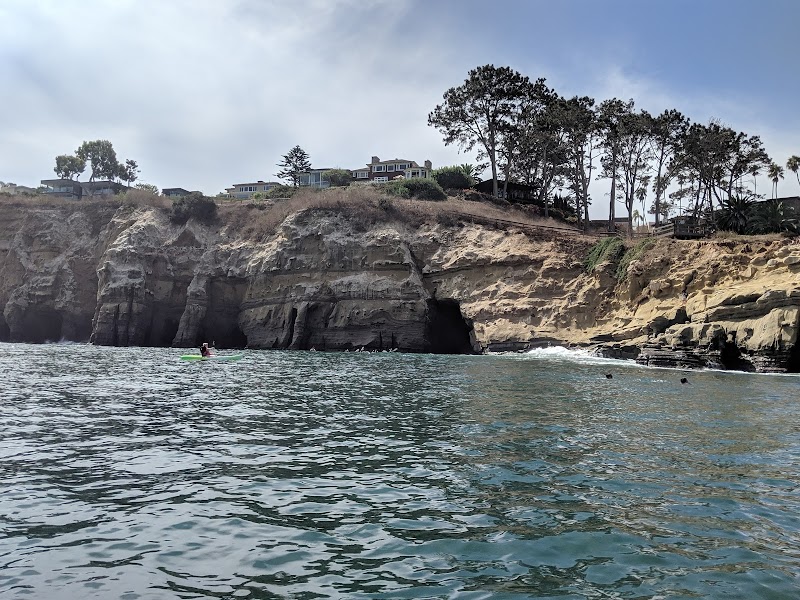
La Jolla’s underwater realm calls the freediver into a world where every breath counts and every second matters. As the Pacific Ocean pushes and pulls with rhythmic persistence, timing becomes your clearest ally for safety beneath the surface. The cliffs above and the kelp forests below watch like silent sentinels, daring you to read the water’s mood before diving deep.
Freediving here isn’t just about strength or lung capacity; it’s a strategic engagement with the ocean's pulse. Before your descent, observe tidal charts and current patterns closely—La Jolla’s currents are fierce and unpredictable, demanding respect. The best freedive windows align with slack tide periods, usually just before high or low tide, when water motion slows and visibility improves sharply.
Starting shallow, practice equalizing early and often. The underwater terrain, with its rugged reefs and playful sea lions, can quickly turn from inviting to hazardous without attentiveness. Your dive times should be moderate: avoid pushing past safe limits, especially when the sea’s energy feels untamed. Use a dive watch or a freediving computer to monitor your bottom time, and always surface slowly to let your body adapt to pressure shifts.
Safety here thrives on timing paired with preparation. Plan your dives during daylight hours when visibility is optimal; early morning often brings serene water and calmer currents before the ocean wakes. Equip yourself with a wetsuit suited for 60-70°F water—cold enough to sap your body's endurance if you linger too long without thermal protection.
On the surface, hydrate well and rest frequently. The sun may invite lingering relaxation, but fatigue erodes your quick reflexes and judgment underwater. Dive with a buddy who can track your timing and surface intervals, reinforcing a safety net in the ever-moving water.
Remember, La Jolla’s ocean is fiercely itself—wild, vast, and full of life. Respect its timing rhythms as you would a partner in a complex dance. Master this balance, and freediving here becomes not only safer but more exhilarating, transforming the ocean from a challenge into a compelling adventure.
Nearby Trips
All Adventures
Boat Charters
Water Activities
Adventures near San Diego
Discover the unique and memorable adventures that make San Diego special.
Frequently Asked Questions
When is the best time during the day to freedive safely at La Jolla?
Early morning hours are typically best due to calmer waters, better visibility, and milder currents before the breeze picks up mid-day.
How can I identify slack tide windows without fancy equipment?
Check local tide charts available online and time your dive about 30 minutes before to 30 minutes after high or low tide when currents slow down.
What wildlife should I expect while freediving at La Jolla?
Look for sea lions playfully orbiting below, Garibaldi fish darting among the kelp, and occasionally the shadow of leopard sharks cruising peacefully.
Is it safe to freedive alone here?
No. Strong currents and variable visibility make buddy systems essential. Having a partner reduces risk and increases rescue capabilities if problems arise.
What should I do if I feel lightheaded underwater?
End your dive immediately and surface slowly while signaling your buddy. Rest and hydrate on the surface before considering another dive.
Are there any protected or restricted zones for freediving here?
Yes, parts of the La Jolla Ecological Reserve prohibit certain activities to protect marine life. Check local regulations to avoid fines and environmental impact.
Recommended Gear
Freediving Wetsuit
A wetsuit rated 3-5mm keeps you warm enough in La Jolla’s cooler waters while allowing for agility and flexibility underwater.
Dive Watch or Freediving Computer
Provides real-time monitoring of dive times and surface intervals—critical for safe freedive timing.
Weight Belt
Allows precise buoyancy control, aiding in smoother descents and ascents while conserving energy.
Snorkel and Low-Volume Mask
Essentials for surface breathing and clear vision that minimize drag to optimize dive efficiency.
Local Insights
Hidden Gems
- "Cave Cove—an underwater cavern accessible at low tide with unique light patterns"
- "Shell Beach tide pools revealing marine microhabitats during surface intervals"
Wildlife
- "California sea lions"
- "Garibaldi (California’s state fish)"
- "Leopard sharks during summer months"
History
"La Jolla’s kelp forests have long supported Indigenous communities and today play a vital role in coastal ecosystem health and marine biodiversity."