Timing and Conditions for Peak Freediving Performance in San Diego
San Diego offers freedivers an extraordinary aquatic playground where timing and environmental awareness merge to create ideal conditions for peak performance. Discover when to dive, how tides and currents influence your experience, and practical tips for mastering this coastal challenge.
Track Tides Before You Dive
Check local tide charts to schedule dives during slack or incoming tides to minimize strong currents and conserve energy.
Dive Early Morning
Plan freediving sessions before midday winds pick up for the clearest, calmest water and best visibility.
Use Appropriate Wetsuit
Wear a wetsuit rated for 5-7mm thickness during spring and fall to balance warmth and flexibility in Pacific waters.
Bring Buddy and Dive Flag
Never dive alone. A dive flag and a buddy system enhance safety by increasing visibility and offering immediate assistance if needed.
Timing and Conditions for Peak Freediving Performance in San Diego

SSI Level 2 or PADI Advanced Freediver Course (3-4 Days)
This course is designed to help you refine and improve your freediving skills | $425 | 3-4 Days
Discover the depths of California's coast with a private freediving course that combines skill development with stunning marine scenery. Perfect for adventure seekers eager to improve their freediving techniques in a personalized setting.
San Diego’s coastal waters challenge freedivers with their shifting moods and demands. Understanding when and how to enter this underwater arena unlocks YOUR peak performance potential. The key? Tuning into the ocean's pulse—balancing water temperature, current strength, visibility, and weather patterns to meet the sea on optimal terms.
San Diego’s freediving scene thrives most between late spring and early fall when Pacific currents settle and visibility sharpens. Between May and September, water temperatures hover between 63°F and 70°F, striking a manageable balance between warmth and refreshment under the surface. The ocean invites you in—steady, clear, but with enough vigor to test your resolve.
Morning hours are prime. Before midday winds stir the waters into a restless stir, calm reigns with glassy, forgiving waves. Early light infiltrates the blue, illuminating marine life. Freediving then becomes a dialogue with the sea, currents nudging you gently, visibility revealing reefs, kelp forests, and occasional curious fish. This is when your lungs feel most efficient and your mind sharpest, creating synergy between body and environment.
Tides govern your dive experience more than you might expect. Incoming tides compress water layers, and slack tides—when flow pauses—offer the calmest conditions for descending deeper with minimal resistance. Avoid outgoing tides, which drag and drain your energy as currents push forward. Timing your dive around tides is practical: dive planning apps or local reports become your navigational tools.
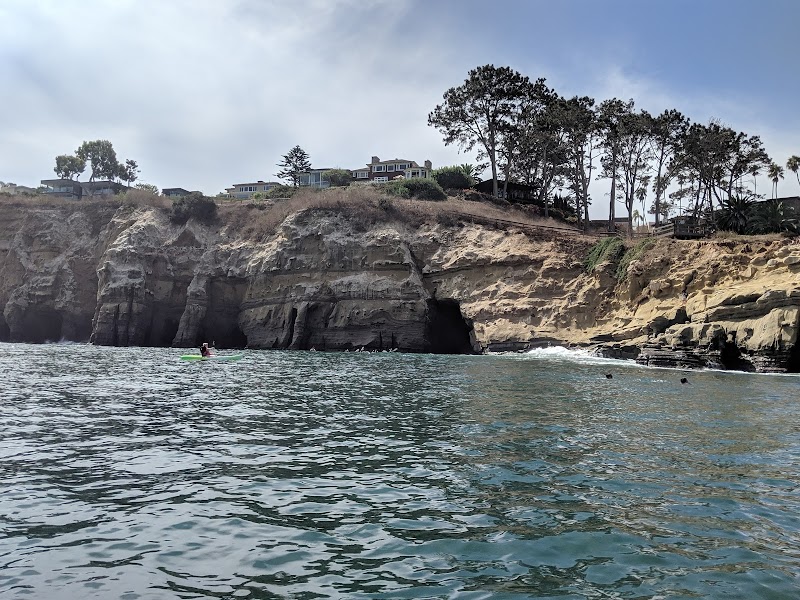
San Diego’s coastal topography delivers more than just waves and water. The rocky coves around La Jolla Shores and the expansive kelp forests off Point Loma create varied underwater terrain. Each dive site offers its personality—kelp sways, daring you to weave through, while ledges and caves beckon with mystery. However, variable currents around these features demand respect and preparation. Understanding local patterns isn’t just preference; it’s essential for safety.
Visibility varies strongly with recent weather. Winter storms churn up sediments, reducing clarity and increasing cold stress. Conversely, summer’s calm, sunny days brighten underwater vistas but can raise surface temperatures. Freedivers must balance these conditions—using wetsuits rated for the season, ensuring hydration to combat salt exposure, and bringing communication signals when diving groups disperse underwater.
Equipment checks and physical readiness anchor successful days underwater. Breath hold training, equalization practice, and mental calm must align with environmental conditions. Freedivers should monitor wave heights (under 3 feet is advisable), water temperature, and current reports daily. Dive flags and spotters remain non-negotiable.
Planning your freediving adventure in San Diego isn’t guesswork; it’s a calculated partnership with nature. Master the tide charts, start early, respect the sea’s rhythms, and bring gear matched to the conditions. This approach transforms dives into rewarding encounters where challenge meets serenity beneath the Pacific's surface.
Nearby Trips
All Adventures
Boat Charters
Water Activities
Adventures near San Diego
Discover the unique and memorable adventures that make San Diego special.
Frequently Asked Questions
When is the best time of day for freediving in San Diego?
Early morning offers calm conditions and excellent visibility before winds pick up. Generally, start dives within two hours after sunrise for the safest, clearest water.
How do tides affect freediving conditions here?
Slack and incoming tides reduce current strength and improve control underwater. Outgoing tides create stronger currents that can drain your energy rapidly and challenge safety.
Are there any local regulations freedivers should be aware of?
Yes. Always use a dive flag to mark your presence and avoid swimming near boat traffic zones. Stay out of protected marine reserves unless permitted, and follow local safety guidelines.
What marine life can I expect to see while freediving in San Diego?
Expect to encounter giant kelp forests, garibaldi fish, bat rays, sea lions, and occasionally leopard sharks—all typical inhabitants of coastal San Diego waters.
Is it safe to freedive year-round in San Diego?
While year-round is possible, winter months present cold water and rougher seas that demand advanced skill, thicker wetsuits, and greater caution.
Are there recommended dive spots for beginners?
La Jolla Cove and La Jolla Shores are prime beginner-friendly spots due to sheltered bays, moderate depths, and good shore access.
Recommended Gear
7mm Thick Wetsuit
Keeps you warm while maintaining flexibility in cooler Pacific waters of early season.
Freediving Mask and Snorkel
Low-volume freediving mask improves equalization; snorkel assists surface breathing with minimal effort.
Weight Belt
Helps achieve neutral buoyancy, crucial for comfortable descents and safety.
Dive Computer with Apnea Mode
Monitors depth and time underwater, aiding safety during longer breath holds.
Local Insights
Hidden Gems
- "The underwater walls near La Jolla Shores reveal colorful sponge-covered outcrops rarely crowded by divers."
- "Crescent Bay Tide Pools nearby offer an accessible spot to observe marine life before or after dives."
Wildlife
- "California sea lions often follow divers, curious but respectful—a memorable encounter if you maintain calm."
- "Seasonal migrations bring schools of anchovies and pelagic fish, attracting larger predators in spring and fall."
History
"San Diego’s coastline has a rich history of indigenous Kumeyaay culture, where the ocean provided food and spiritual connection. Modern freediving continues to honor this deep relationship with Pacfic waters."