
Navigating Safety Protocols for Small-Group Scuba Diving Excursions in Southern California
Explore Southern California’s dynamic underwater landscapes safely with small-group scuba diving excursions designed for immersive yet secure experiences. This guide outlines essential protocols to help you prepare, respect, and navigate the ocean’s challenges confidently.
Conduct Thorough Buddy Checks
Always perform detailed buddy equipment checks before entry to ensure full gear functionality and mutual understanding of emergency signals.
Monitor Ocean Conditions Daily
Keep an eye on tides, currents, and weather—conditions in Southern California can shift quickly and impact dive safety.
Stay Hydrated and Rested
Proper hydration and rest before diving reduce risk of dehydration and fatigue, which can impair judgment underwater.
Follow Dive Guide Instructions Closely
Adhere strictly to your dive leader’s commands and dive plan to maintain group safety and environmental respect.
Navigating Safety Protocols for Small-Group Scuba Diving Excursions in Southern California

Scuba Diving Boat Charter
$750 All Inclusive | 4 hours | 6 passengers max
Discover the vibrant underwater world of Key Largo on a private scuba diving boat charter with Bluewater Divers. Enjoy personalized service, stunning marine life, and clear waters—an adventure you won't forget!
Southern California’s coastal waters call divers into an immersive world of kelp forests, vibrant reefs, and abundant marine life. Small-group scuba diving excursions offer an intimate, engaging way to explore these underwater realms, but the ocean demands respect and preparedness. Safety isn’t just a checklist here—it’s the rhythm that keeps every diver in sync with the sea’s pulse.
Small groups, typically between 4 to 6 divers, allow for personalized attention and organized port-to-reef transitions. Before plunging beneath the surface, dive operators prioritize a clear safety briefing covering dive plans, emergency procedures, and local marine conditions. This ensures each participant understands their role, potential hazards, and how to maintain group cohesion even when visibility changes or currents intensify.
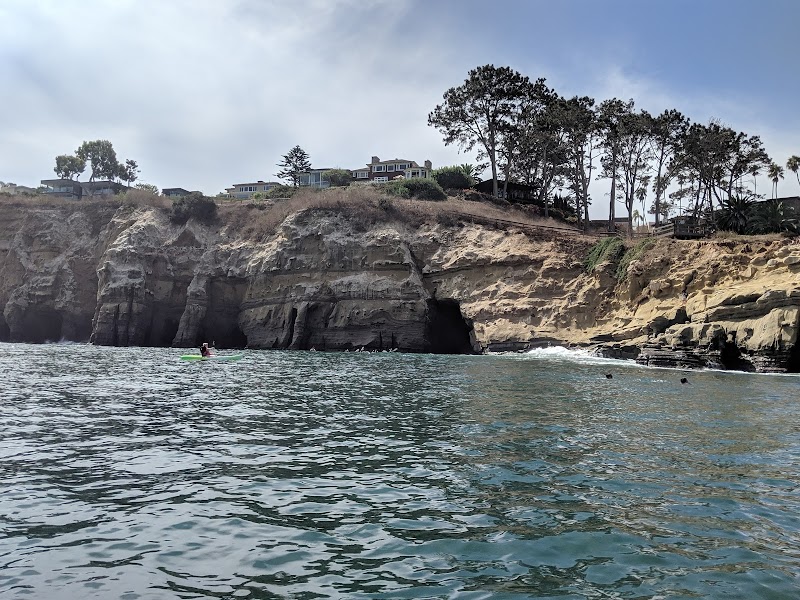
Southern California’s waters fluctuate in visibility, temperature, and current strength throughout the year. Around Catalina Island or La Jolla Cove, the ocean can turn from placid to challenging without warning. Safety protocols emphasize buddy checks—confirming gear function and familiarity—before every descent. Guides often use hand signals tailored to the dive site’s environment, maintaining constant communication while respecting the quiet world below.
Equipment inspections aren’t just formalities; they’re first-line defense. Dive tanks, regulators, and buoyancy control devices receive thorough scrutiny before boarding boats. Divers with dry suits or thick neoprene wetsuits must ensure seals and zippers hold against chilly Pacific currents. Maintaining neutral buoyancy isn’t just a skill—it's essential to avoid stirring up sediment that can abruptly reduce visibility or harm delicate kelp beds.
Emergency readiness defines a successful dive day. Boats carry oxygen kits, communication radios linked to coast guards, and first-aid tools. Dive guides train rigorously in rescue skills, often certified in advanced first aid and CPR. Surface intervals are planned to reduce nitrogen buildup, and conservative dive profiles are enforced to allow safe ascents even if currents push divers off-course.
Planning your southern California dive? Arrive hydrated, well-rested, and fed with low-impact meals to keep energy steady and nerves calm. Dress in layered clothing to adjust to cooling ocean breezes during boat transfers. Bring personal dive logbooks to track your depths, times, and feelings—a practical habit that also supports emergency assessments.
Scuba selections rarely go beyond moderate depths here, but understanding your limits—and communicating them transparently—is vital. Entrust your experience level to your guide. The ocean’s currents and wildlife are fiercely themselves, unfolding unpredictably, but proper protocols ensure every plunge maximizes both discovery and safety.
Small-group dives signify adaptability and care. They foster camaraderie where each member watches out for the other, blends respect for the marine environment, and ensures the experience remains thrilling yet within the bounds of caution. In Southern California’s waters, the ocean isn’t tamed—it’s approached thoughtfully, and that’s when adventure is at its finest.
Nearby Trips
All Adventures
Boat Charters
Water Activities
Adventures near San Diego
Discover the unique and memorable adventures that make San Diego special.
Frequently Asked Questions
What is the maximum group size for a safe small-group scuba dive?
Small-group scuba diving in Southern California usually caps at 4 to 6 divers to maximize safety, maintain communication, and reduce environmental impact.
How do local currents affect dive safety?
Currents can shift rapidly, influencing visibility and diver exertion; dive operators plan routes and depth profiles to avoid strong currents and ensure manageable conditions.
Are there specific marine hazards to watch for around Southern California dive sites?
Divers should be aware of strong surge in kelp forests, occasional presence of horn sharks, and sea urchin-covered rock formations that can cause injury if disturbed.
What emergency procedures are standard for small-group dives here?
Protocols include constant buddy monitoring, pre-arranged signals, oxygen availability, trained rescue personnel onboard, and ready communication with coastal safety services.
How does one prepare for cold water dives in the winter season?
Wearing thicker wetsuits or drysuits, planning shorter bottom times, staying active to maintain warmth, and thorough pre-dive equipment checks are essential.
Can beginner divers participate in these small-group excursions safely?
Beginners can join if they have completed open water certification and communicate their experience level honestly to guides who tailor the dive accordingly.
Recommended Gear
Wetsuit (5-7mm) or Drysuit
Vital for thermal protection against cold Pacific waters, especially outside peak summer months.
Surface Marker Buoy (SMB)
Increases diver visibility at the surface, essential for small-group coordination and boat retrieval.
Dive Computer
Provides real-time depth, time, and decompression info for safe dive profiles.
Waterproof Dive Logbook
Assists in tracking dive specifics, important for personal safety and experience progression.
Local Insights
Hidden Gems
- "The underwater caves at La Jolla Shores offer unique sheltered exploration rarely crowded."
- "Agua Hedionda Lagoon nearby hosts seasonal electric ray sightings."
- "The ribbon kelp beds off Catalina shield divers from strong oceanic swell."
Wildlife
- "Giant sea bass occasionally cruise deeper kelp areas."
- "Garibaldi fish in vivid orange dart near rocky reefs."
- "Seals and sea lions often curiously approach divers, displaying playful behaviors."
History
"Southern California’s coastal waters were historically important to the native Kumeyaay tribes who fished these areas sustainably for centuries before modern recreational diving emerged."