Navigational Safety Essentials for Multi-Stateroom Sport Yachts in California Waters
Mastering navigational safety aboard multi-stateroom sport yachts is crucial for cruising California’s dynamic coastal waters. This guide offers practical tips for captains and crews ready to explore with confidence—from managing tides and currents to leveraging technology and safety protocols.
Know Your Draft and Water Depths
Understand your yacht’s draft and consult detailed nautical charts before navigating shallow bays and coastal inlets to prevent grounding.
Use Multiple Navigation Tools
Always cross-check GPS readings with paper charts and radar to avoid errors caused by equipment failure or environmental conditions.
Monitor Tides and Currents
Plan trips according to tidal schedules and currents like the California Current, which can significantly affect travel time and fuel consumption.
Maintain Constant Communication
Equip your yacht with VHF radios and AIS to stay updated on marine traffic and communicate with the Coast Guard in emergencies.
Navigational Safety Essentials for Multi-Stateroom Sport Yachts in California Waters

Little G Private Six Pack Charter - SDTF
70' ELLIOT 6 PACK OFFSHORE SPORTFISHER - SDFC
Experience the thrill of a private boat tour in San Diego with the Little G Charters. Perfect for fishing, wildlife viewing, and relaxing on the water, this exclusive adventure promises unforgettable coastal memories.
Exploring California's coastal waters aboard a multi-stateroom sport yacht opens up a playground where the sea is as alive as the vessel beneath your feet. Yet, with size and luxury comes responsibility. Navigational safety in these waters is not a mere suggestion—it's an imperative that will determine the smoothness of your adventure and your crew’s safety.
First, know your yacht’s draft and how it plays with California’s varying coastal depths. From the rugged cliffs near Point Reyes to the gentle slopes off San Diego, underwater terrain dares captains to stay vigilant. Use up-to-date nautical charts and electronic navigation systems, but don’t rely solely on technology. Always cross-reference GPS data with paper charts as unexpected changes in seabed conditions or equipment failure can throw off your course.
California waters are rich with currents that push and pull unpredictably. The California Current runs southward, challenging vessels along the coast—its persistent force demands steady helm management. Inland channels and bays like the San Francisco Bay or Newport Harbor add their own twists. Before departure, study tide tables and current charts; timing your passage to match favorable tidal flows can mean the difference between effortless progress or a battle with the sea.
Weather can turn swiftly along the coast. Morning fog shrouds the Golden Gate, reducing visibility to near zero, while afternoon sea breezes whip up waves off Catalina Island. Equip your yacht with reliable radar and AIS (Automatic Identification System) to track other vessels and obstacles when nature hides them from sight. Keep an eye on marine weather forecasts and stay flexible with your route and schedule.
Communication is another cornerstone. A VHF radio remains non-negotiable, providing constant contact with local Coast Guard stations and other marine traffic. Multi-stateroom yachts often carry more crew and guests, so have a clear system for onboard communication during navigation, especially if visibility or conditions degrade.
Safety equipment placement aboard your yacht warrants attention. Life jackets, fire extinguishers, flares, and first aid kits should be accessible from multiple points on a larger vessel. Conduct regular drills that accommodate the yacht’s layout and the needs of non-professional crew. Knowing your escape routes and muster stations helps keep everyone prepared and calm during emergencies.
Finally, respect marine protected areas peppered along California’s coast. These zones are fiercely maintained, with navigational restrictions and speed limits designed to protect wildlife and habitats. Chart your course accordingly, avoiding fines and preserving the wildness of these waters for future adventures.
In essence, piloting a multi-stateroom sport yacht in California demands a marriage of respect for the sea’s mood and a rigorous grasp of your vessel’s capabilities. Prepare methodically, navigate wisely, and savor every moment where the ocean calls with its timeless, powerful voice.
Nearby Trips
All Adventures
Boat Charters
Water Activities
Adventures near San Diego
Discover the unique and memorable adventures that make San Diego special.
Frequently Asked Questions
What are the common navigational hazards around California’s coast for sport yachts?
California’s coast features rocky shores, shifting sandbars, strong currents, and heavy marine traffic near ports. Fog and sudden storms add complexity. Careful chart reading and real-time weather updates help mitigate risks.
How should I prepare for sudden weather changes while navigating?
Always monitor marine weather forecasts before and during trips. Equip your yacht with radar and AIS, maintain clear communication, and have contingency routes planned in case you need to seek shelter quickly.
Are there special restrictions in marine protected areas along the coast?
Yes. Protected zones like the Channel Islands and Monterey Bay National Marine Sanctuary enforce speed limits, restricted anchoring, and no-fishing zones to preserve wildlife and habitats. Adhere strictly to these regulations.
What safety drills should be practiced on a multi-stateroom sport yacht?
Conduct man-overboard, fire response, and abandon ship drills covering the yacht's layout and crew roles. Ensure all passengers understand muster stations and life jacket locations.
Can multi-stateroom yachts handle California’s ocean swells?
Generally yes, if they’re designed for open coastal waters. Nonetheless, captains must respect sea conditions and avoid overconfidence—rough swells and wind gusts can challenge even the most stable vessels.
What wildlife might I see while navigating California’s coastal waters?
Expect to spot dolphins riding bow waves, seals lounging on offshore rocks, and migratory whales in season. Birds like pelicans and cormorants are common, providing vivid reminders of the living sea around you.
Recommended Gear
Nautical Charts (Paper and Digital)
Critical for verifying your route and navigating shallow or complex areas where electronics may falter.
VHF Radio with DSC Capability
Vital for communication with marine traffic and emergency services in all conditions.
Life Jackets for All Passengers
Mandatory safety gear that must be accessible at all times across the yacht’s cabins and decks.
Weather Monitoring Equipment
Radar, barometers, or marine weather apps help anticipate and respond to changing conditions, especially necessary during winter storms.
Local Insights
Hidden Gems
- "Devil’s Slide Tide Pools near Montara offer unique tidal ecosystems visible at low tide."
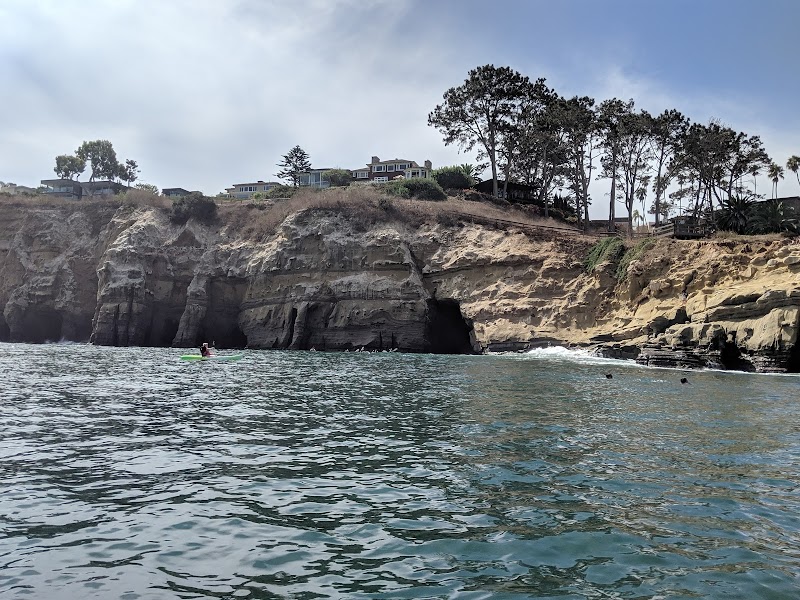
- "Anacapa Island’s sea caves present striking geology accessible only by boat."
- "Point Loma’s Cabrillo National Monument has less crowded viewpoints with panoramic harbor views."
Wildlife
- "California sea lions reflect playfulness while basking on buoys, challenging your observations."
- "Gray whales undertake epic migrations close to shore in winter and spring, testing your patience and timing."
- "Pelagic birds, such as albatrosses, glide across currents far offshore with steady grace."
History
"California’s coast bears the imprint of early Spanish explorers and native Chumash maritime culture, blending centuries of navigation traditions. Many harbors once served as trade and fishing hubs, shaping coastal communities."