
Decoding Avian Flight: Falcons, Hawks, and Owls in Live Oak’s Sky
Watch falcons, hawks, and owls demonstrate the mastery of flight against Live Oak’s shifting skies. This hike offers a vivid look at raptor behavior, combined with terrain and trail tips to help you explore this scenic Texas locale with confidence.
Bring Good Binoculars
To fully appreciate the nuances of flight behavior, clear, close observation is key. Compact binoculars will let you see wing patterns and hunting tactics without disturbing the birds.
Start Early or Late
Raptors are most active in cooler parts of the day—early morning and late afternoon offer the best bird sightings and comfortable hiking temperatures.
Wear Trail-Ready Footwear
Live Oak's mixed terrain includes uneven forest floors with roots and loose gravel. Shoes with solid tread and ankle support reduce injury risk.
Pack Water and Layers
No water is available on the trail. Carry enough to stay hydrated and dress in layers to adjust as temperature shifts from shade to open sky.
Decoding Avian Flight: Falcons, Hawks, and Owls in Live Oak’s Sky
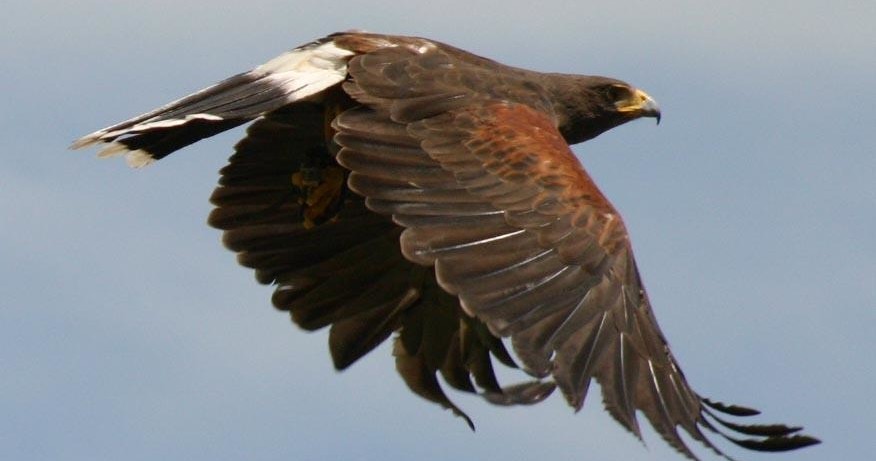
Full Flight Demonstrations featuring Falcons, Hawks and Owls
Discover the awe-inspiring world of raptors with a private full flight demonstration at the International Falconry Academy in Live Oak, Florida. Witness majestic birds in action and learn about their vital role in ecosystems. This unforgettable eco-tour blends education with adventure for all ages.
In the quiet stretch of Live Oak's open skies, the flight of falcons, hawks, and owls comes alive as a living classroom. Observing these raptors reveals more than just their grace; it offers a direct window into the mechanics and survival strategies of avian flight in a natural setting fiercely itself.
Live Oak’s terrain, a blend of wooded patches and open meadows, stretches roughly 4 miles one-way with an elevation gain of 450 feet. The trail undulates through forested corridors where sunlight dares to break the canopy, guiding your eyes upward to darting wings. The quartz and oak-lined paths keep the ground steady underfoot but watch for uneven roots and occasional gravel patches that demand sturdy footwear.
Start your hike early; cool morning air makes for easier pacing and clearer sightings. Falcons, with their rapid stoops and razor-sharp maneuvers, often hunt just after dawn when their prey is active and the thermal winds begin to lift. Hawks dominate midday skies, soaring on broad wings as they scan the ground in sweeping circles. Owls, meanwhile, favor dusk with silent, ghost-like glides through shadowed groves, perfectly crafted for low-light hunting.
Each species highlights different flight adaptations. Falcons slice the air with pointed wings, built for speed and stooping attacks. Hawks show a powerful balance, shifting the wind’s pressures to hover or dive with precision. Owls rely on silent flight, their feathered edges breaking turbulence, combining stealth with sudden bursts. Watching their flight offers practical clues—how wing shape influences speed, how tail feathers adjust balance, and the purposeful use of environmental cues like wind currents.
Practical preparation makes this hike both manageable and memorable. Hydrate well before you head out—there is no water source on the trail—and pack layered clothing to adapt to shifting temperatures. Shoes with reliable tread will help you navigate roots and the occasional loose rock. Carry binoculars or a compact spotting scope to really study these birds without intruding.
Live Oak’s raptor show is a chance to engage with nature on its own terms. The birds don’t perform for us—they hunt, soar, and glide driven by their survival needs. Approaching the experience with respect and awareness enriches every step and glance skyward. Whether you are a novice hiker or an outdoor pro, this trail invites you to move thoughtfully through an environment alive with flight and feathered strategy.
At the end of the loop, the panorama over the ridgeline opens up. Here, you’ll catch falcons streaking low over the grasslands, hawks circling the thermals, and sometimes a shadowy owl silhouette crossing the fading light. Live Oak's avian flight behaviors are lessons written in motion, practical insights to one of nature’s most elegant feats.
Nearby Trips
All Adventures
Boat Charters
Water Activities
Adventures near San Antonio
Discover the unique and memorable adventures that make San Antonio special.
Frequently Asked Questions
What time of day is best for spotting falcons?
Falcons are most active just after dawn when they swoop down at high speeds to catch prey. Early morning light provides optimal visibility and cooler temperatures for hikers.
Are owls commonly seen on the trail during the day?
Owls are primarily nocturnal or crepuscular and rarely visible during the day. Dusk offers the best chance to observe their silent flight as they hunt.
Is this hike kid-friendly?
The moderate length and varied terrain mean older or experienced kids can handle the trail well, especially if they’re interested in birdwatching and nature.
Can I photograph the birds with a smartphone?
Smartphones capture the landscape well, but to snap detailed shots of distant or fast-moving raptors, a camera with zoom lenses or binoculars is recommended.
Are there guided tours focused on bird behavior available here?
Local nature centers sometimes offer guided raptor walks during peak seasons—checking community calendars near San Antonio can reveal options.
How can I avoid disturbing the wildlife?
Keep noise low, stay on the marked trail, avoid sudden movements, and use binoculars rather than approaching birds to ensure they maintain natural behaviors.
Recommended Gear
Hiking Boots
Provides stability and grip over uneven terrain, protecting ankles from roots and rocks.
Binoculars
Enables detailed observation of birds in flight without disturbing them.
Hydration Pack
Keeps you hydrated during warmer months when water is scarce on the trail.
Layered Clothing
Allows adjustment for temperature shifts between shaded forest and sunny open sections.
Local Insights
Hidden Gems
- "The bluff overlook halfway shows surprising valley views often missed by day hikers."
- "A shaded grove hosts nesting sites, offering a calm spot to observe without traffic."
Wildlife
- "Red-tailed hawks"
- "American kestrels"
- "Barred owls"
- "Northern flickers"
- "White-tailed deer"
History
"Live Oak area has traditionally been a hunting ground for Native American tribes who observed raptor flight as a way to time seasonal changes."